
How to Introduce a Classroom Simulation Activity in Your Teacher Newsletter
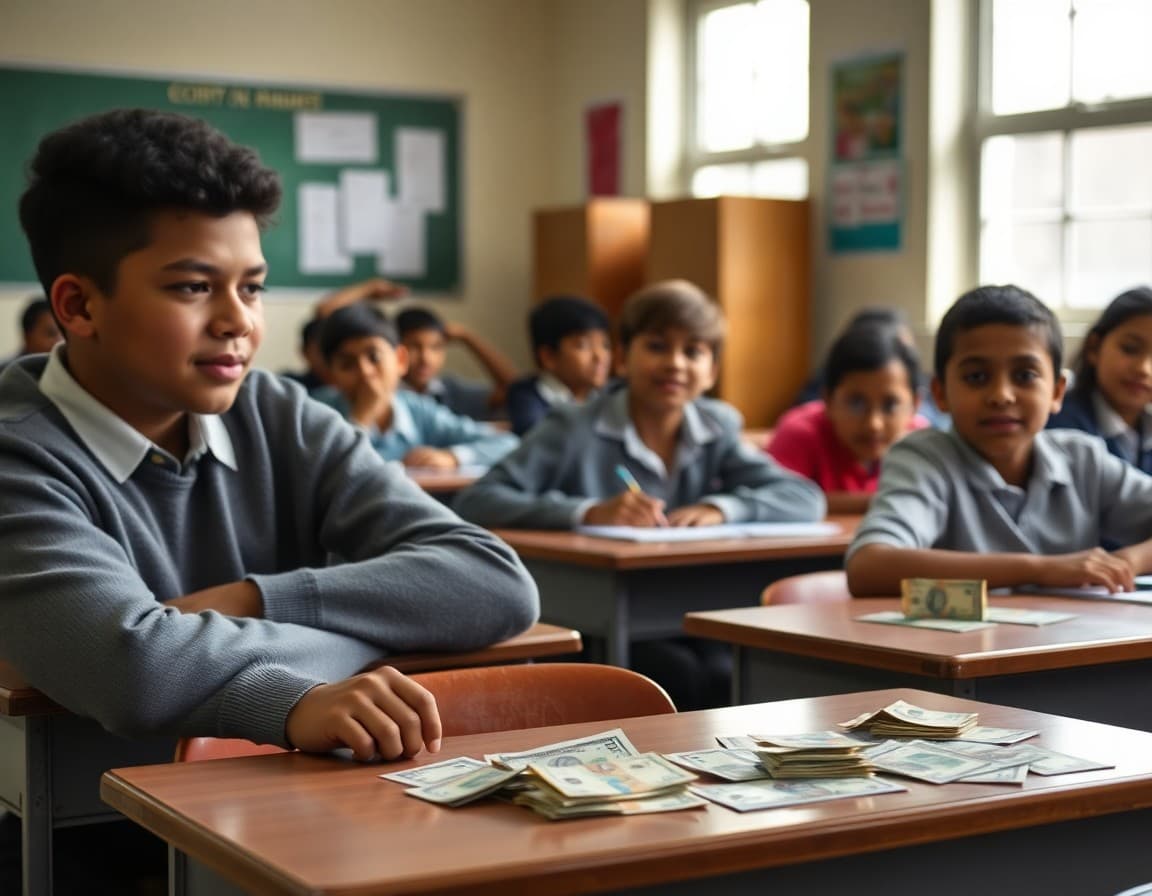
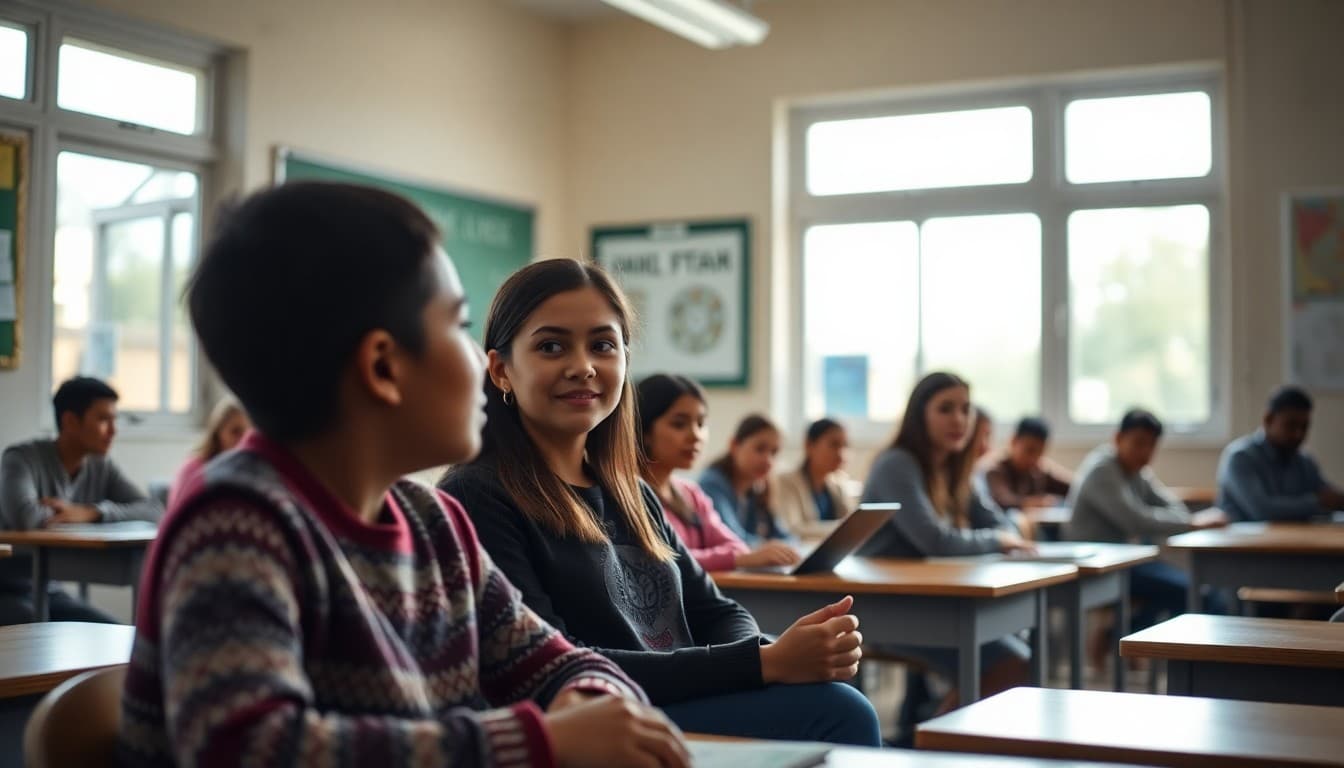
Classroom simulations generate some of the most memorable learning conversations at home because students arrive with a visceral experience to describe rather than a set of notes to report. The family dinner conversation after a mock legislature simulation or a market economy activity is different in quality from a conversation about a textbook chapter. A newsletter that prepares families before the simulation and debriefs them after maximizes the home learning extension of that experience.
Send a preview newsletter before the simulation begins
"This week we are launching a three-day classroom economy simulation. Students will be assigned roles as producers, consumers, and government officials in a simplified economy. They will earn, spend, save, and respond to policy changes I introduce into the system. By the end of the simulation, students will have experienced firsthand how supply, demand, taxation, and incentives work together." A specific preview prepares families to engage with what their student brings home.
Explain the learning goals clearly
Simulations can look like games from the outside. Name the academic content being developed. "The simulation covers economic standards including scarcity, opportunity cost, market equilibrium, and fiscal policy. Students are assessed not on whether they accumulated the most resources but on whether they can explain the decisions they made and the economic concepts behind them." The assessment framing validates the simulation as academic work.
Address any sensitive content proactively
Some simulations involve difficult historical events, social inequality scenarios, or conflict. Prepare families before those simulations begin. "Next week students will role-play different perspectives during the constitutional debates. They will advocate for positions they may personally disagree with. This is intentional. Understanding how historical arguments were made from the inside is different from reading about them. I will debrief the simulation thoroughly before returning to a first-person perspective." Families who are prepared for sensitive content support the simulation rather than reacting to it second-hand.
Send a debrief newsletter after the simulation ends
The debrief newsletter is where the learning is made visible for families. "The economy simulation wrapped up yesterday. Here is what happened: the market overheated in round two when several producers set artificially high prices and a strike occurred in round three that nobody had predicted. The class debriefed for a full period. Ask your student what role they played and what surprised them most about how the system worked."
Connect the simulation to upcoming assessments
Tell families how the simulation connects to what will be formally assessed. "The economic concepts from the simulation will appear on the unit test in two weeks. Students who can explain what happened in the simulation using the economic vocabulary we practiced are well-prepared. The debrief questions I sent home yesterday are the same type of questions that will appear on the test."
Include a home extension activity
A brief family extension activity closes the loop between school and home. "At dinner this week, ask your student: what role did you play? What was the hardest decision you had to make? What would you do differently? Those three questions will unlock a conversation that goes much further than the simulation itself."
Teachers who send both preview and debrief newsletters for simulations through Daystage find that families are better prepared for the experience and ask more meaningful follow-up questions throughout the unit.
Get one newsletter idea every week.
Free. For teachers. No spam.
Frequently asked questions
What is a classroom simulation and how is it educational?
A classroom simulation places students inside a simplified model of a real-world system and asks them to make decisions within it. A market simulation, a historical role play, a government simulation, or an environmental scenario all require students to apply content knowledge to navigate the system. The decisions and their consequences provide feedback that textbooks cannot.
What role-playing simulations are commonly used in elementary and middle school?
Mock elections and government simulations, historical role plays like the Constitutional Convention or a colonial trading post, economic simulations like a classroom stock market or market economy, scientific process simulations like ecosystem modeling, and social skills simulations like conflict resolution scenarios.
How do I prepare families for simulations that involve conflict or difficult historical events?
Explain the educational context clearly before the simulation begins. 'Students will role-play perspectives that are not their own as part of a civil rights history unit. The simulation is designed to build empathy and historical understanding, not to endorse any of the positions being represented. I have prepared students with context and will debrief the experience thoroughly.'
How do I debrief the simulation with families through the newsletter?
After the simulation, share what happened, what students learned, and specific questions families can ask at home to extend the learning. The debrief newsletter is often more valuable than the preview because it captures what actually emerged.
Can Daystage help teachers share simulation activity information with families?
Yes. A Daystage newsletter before and after a simulation activity is an effective way to set context and close the loop with families about what students experienced.

Adi Ackerman
Author
Adi Ackerman is a former classroom teacher and curriculum writer with 8 years in K-8 schools. She writes about school communication, parent engagement, and what actually works in real classrooms.
More for Classroom Teachers
How to Share a Classroom Escape Room Activity With Families in Your Newsletter
Classroom Teachers · 6 min read
How to Announce a Project Based Learning Launch in Your Teacher Newsletter
Classroom Teachers · 6 min read
How to Explain Jigsaw Learning to Families in Your Teacher Newsletter
Classroom Teachers · 6 min read
Ready to send your first newsletter?
3 newsletters free. No credit card. First one ready in under 5 minutes.
Get started free