
How to Write a Science Night Newsletter to Families
Science Night has a built-in advantage over most school events: kids are genuinely excited about it. The newsletter's job is to transfer that excitement to families who are deciding whether to rearrange their evening. When the communication is clear about what will happen and what families will get out of it, attendance reflects that.
Open with the hook, not the housekeeping
Start with something that sparks curiosity. What is one experiment families will try? What surprising thing will they discover? "Come find out why elephants do not get sunburned the same way we do" is a better opening line than "please join us for Science Night on Thursday." Get families curious before you give them logistics.
Connect to current classroom science work
Tell families what your class has been investigating and how Science Night extends that work. If students have spent the last three weeks studying ecosystems, let families know that some of the stations explore the same concepts through experiments rather than textbooks. This connection makes the event feel like a natural part of the curriculum rather than a one-off production.
Describe the station format
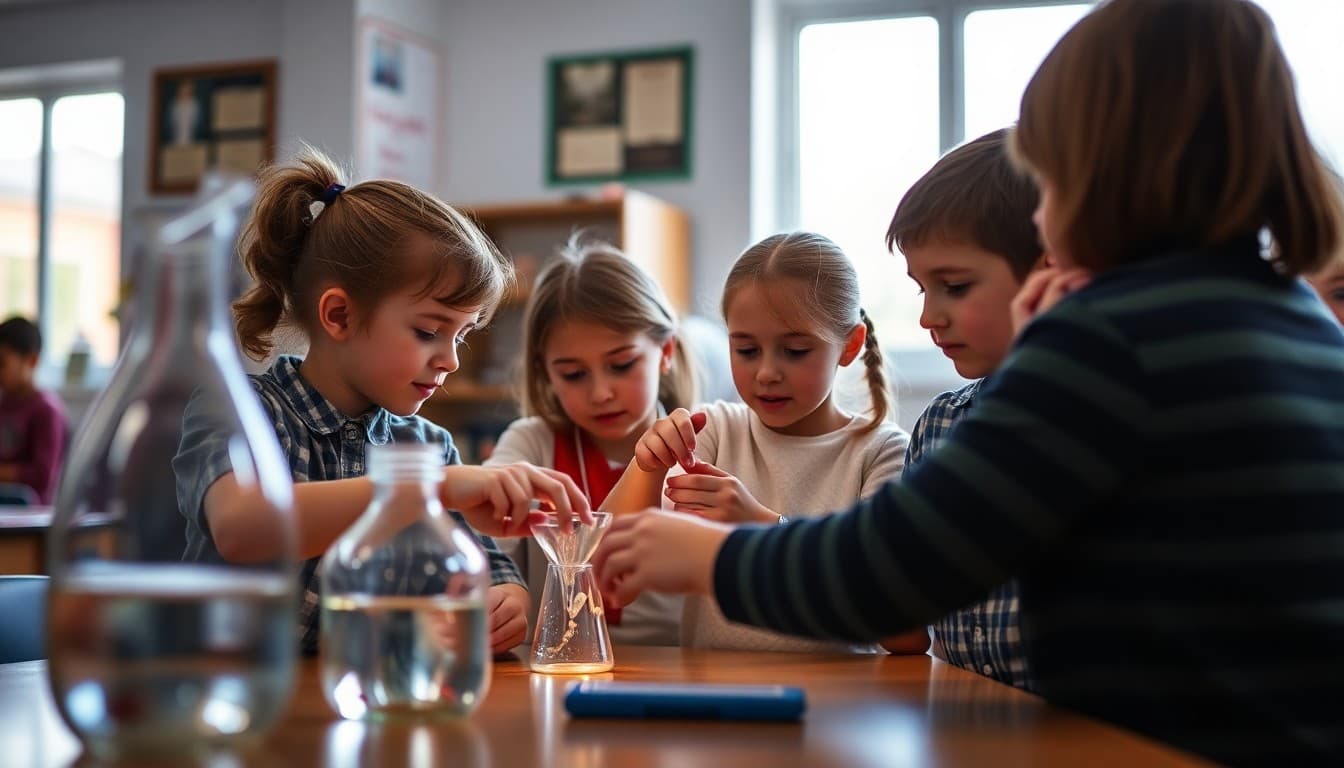
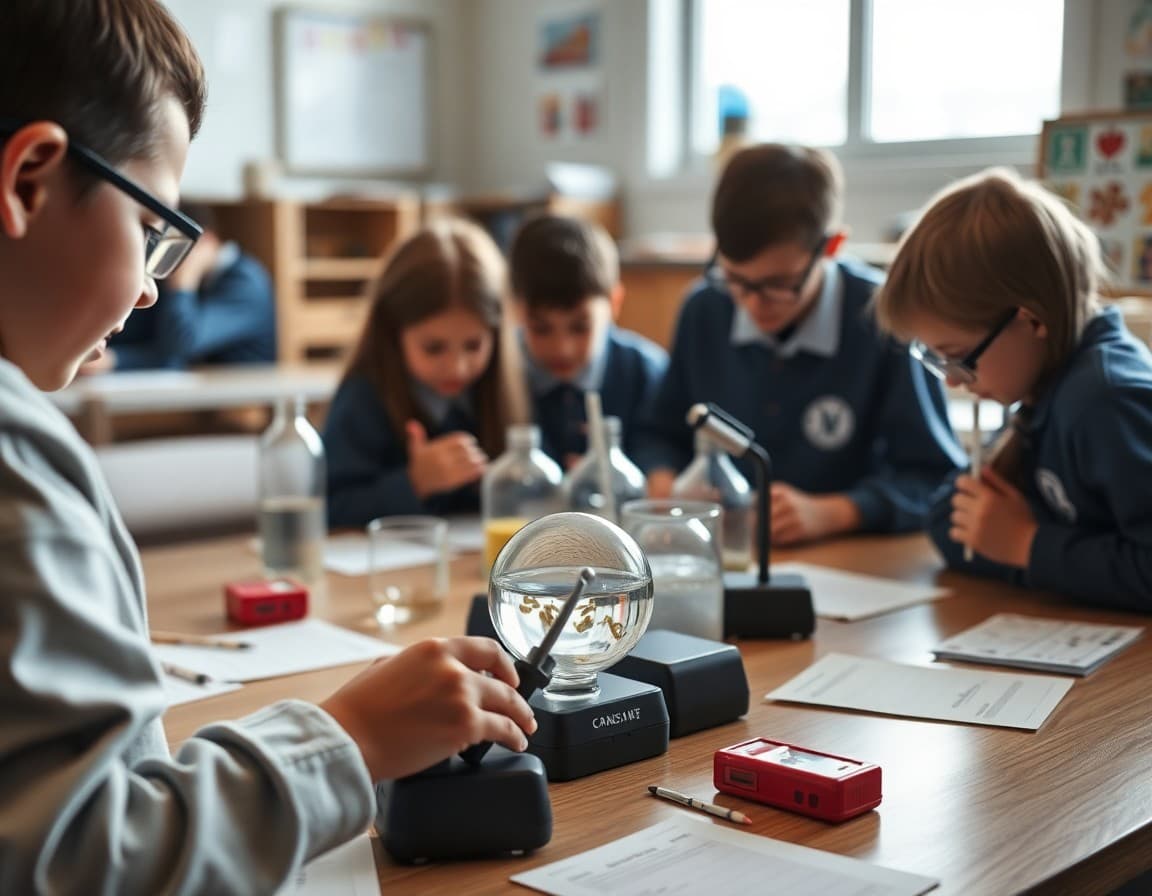
Walk families through how the evening is organized. How many stations are there, how long does each one take, can families choose which ones to visit, is there a guided activity or do families move at their own pace. Parents who understand the structure feel prepared. Parents who arrive not knowing what to expect often feel disoriented and disengage early.
Name the take-home value
If families leave with an experiment kit, a science journal, a list of activities they can do at home, or printed instructions for the stations they tried, say so in the newsletter. Tangible take-homes are a strong attendance driver and extend the Science Night experience into the week that follows.
Address the practical questions families have
Date, time, parking, whether siblings are welcome, whether food will be available. Also address any safety notes relevant to the experiments. If a station involves vinegar or baking soda, a note that the materials are safe and appropriate for all ages removes a common source of parental hesitation before it becomes a barrier.
Include a home science angle
Even families who cannot attend Science Night can do something. Include a simple at-home experiment in your newsletter, something that uses household materials and connects to the concepts your class has been studying. Families who try it at home and then hear their child talk about the same concept at school see the connection between home and school learning in a concrete way.
Follow up with what happened
After the event, send a brief newsletter with photos and a few highlights. What did students discover? What was the most popular station? Did any experiments produce a surprising result? Families who attended feel validated, and families who missed the event still get a taste of what their student experienced.
Daystage makes it easy to manage the full Science Night communication sequence, invitation, RSVP, reminder, and recap, through one simple tool. Consistent outreach is what turns a good school event into a well-attended one.
Get one newsletter idea every week.
Free. For teachers. No spam.
Frequently asked questions
What should I include in a Science Night newsletter?
The event date, time, and location; a description of the hands-on activities; the science concepts students have been exploring; what families will take home; any safety notes relevant to the experiments; and a simple RSVP if you need attendance numbers for materials.
How do I connect Science Night to classroom learning?
Name the specific science concepts your class has been investigating and describe how the activities at the event extend that work. If students have been studying states of matter, let families know one of the stations involves a hands-on experiment that illustrates those concepts in a new way. This connection makes the event feel purposeful.
How do I make Science Night accessible for all families?
Design activities that are hands-on and visual rather than text-dependent, use materials that do not require prior science knowledge, and offer instructions in families' home languages if possible. Note these supports in your newsletter so multilingual or science-anxious families know the evening is designed for everyone.
What safety considerations should I address in a Science Night newsletter?
If any activities involve materials that could be problematic for certain students, allergies, or activities that require adult supervision, note this in the newsletter. Families appreciate knowing what to expect, and it prevents situations where a student has an unexpected reaction to a material or activity.
What tool helps teachers communicate about Science Night?
Daystage makes it straightforward to send a Science Night invitation with all the activity details, collect RSVPs, and follow up with a photo recap so families get a full picture of the event whether or not they could attend.

Adi Ackerman
Author
Adi Ackerman is a former classroom teacher and curriculum writer with 8 years in K-8 schools. She writes about school communication, parent engagement, and what actually works in real classrooms.
More for Classroom Teachers
Ready to send your first newsletter?
3 newsletters free. No credit card. First one ready in under 5 minutes.
Get started free