
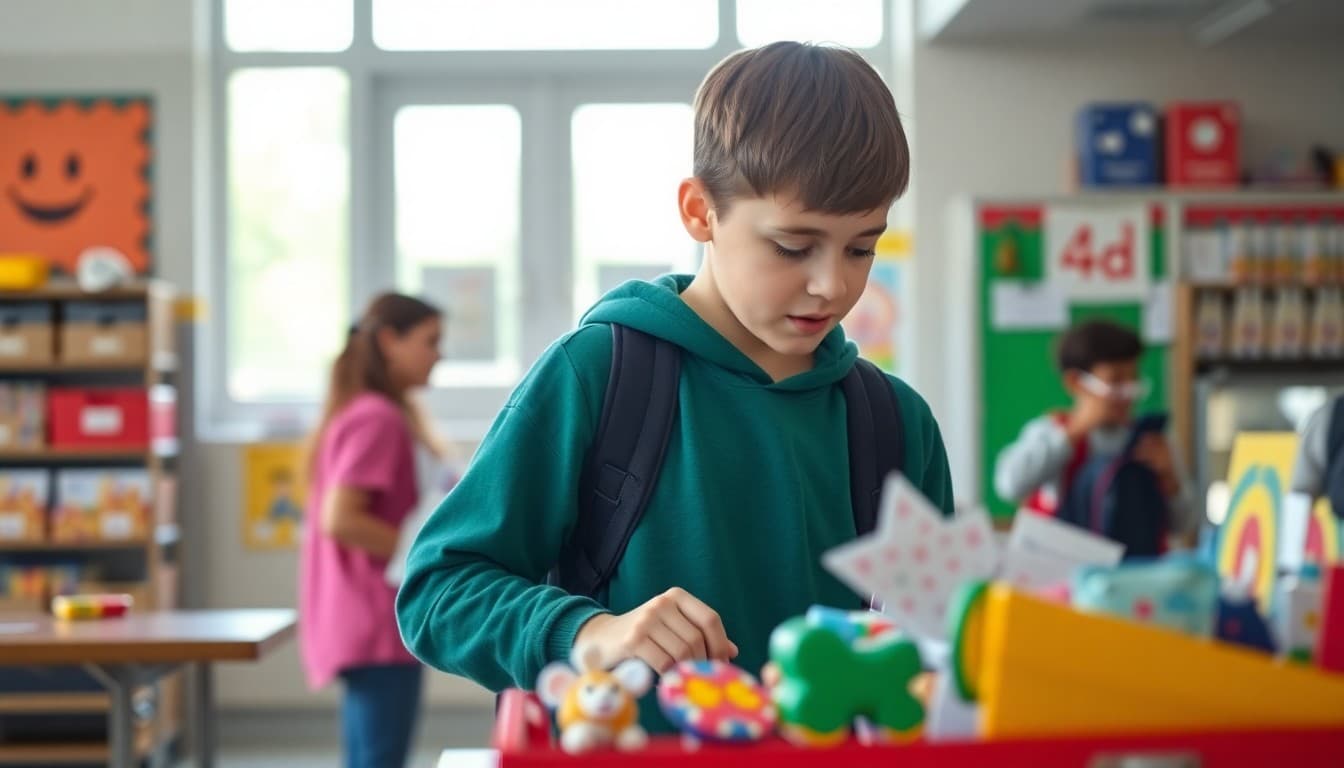
How to Write a School Store Newsletter for Classroom Teachers
School store programs and classroom token economies generate genuine excitement in students and genuine confusion in families. Parents who do not understand the system often inadvertently undermine it, whether by sending physical money when that is not the currency, by promising outside prizes that compete with classroom reinforcement, or simply by asking the wrong questions when their student talks about the store. A clear newsletter explains the system and turns families into informed supporters.
Explain the earning system before you describe the store
The store is the fun part, but the earning system is where the learning happens. Start by describing how students earn currency. "Students earn [classroom bucks/tokens/ points] by meeting classroom expectations, helping classmates, completing work with care, and demonstrating our community values. The currency is not given away. It is earned through specific behaviors." This framing helps families understand that the store is reinforcing real goals, not just distributing prizes.
Describe what is in the store
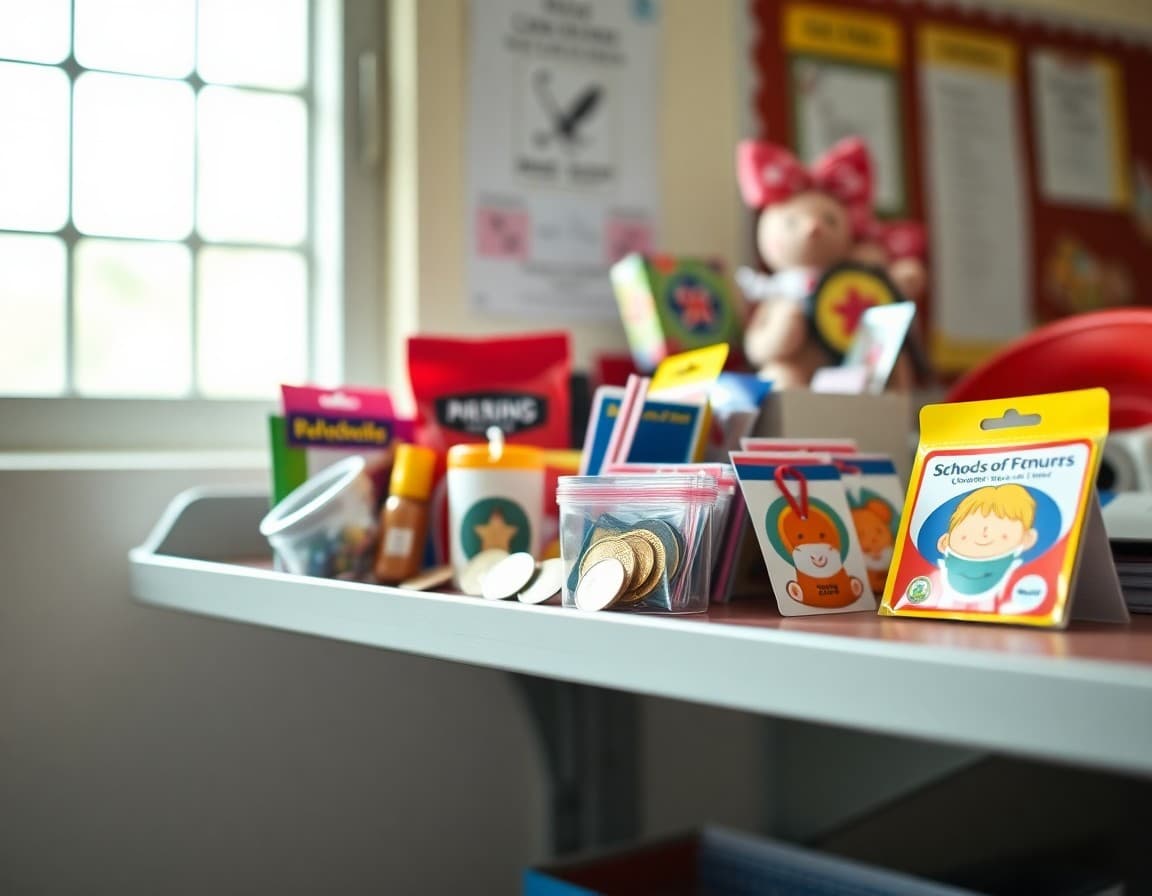
Tell families what kinds of items are available. Stationery, small toys, coupons for extra privileges, homework passes, choice time activities. The more concrete the inventory, the more students will talk about it at home in ways that families can engage with. "Have you been saving up for anything specific?" becomes a natural conversation starter when families know what the options are.
Tell them when the store is open
Store days are often one of the highlights of the week for students who are saving. Share the schedule so families have context. "The school store is open every other Friday during the last 20 minutes of the school day." Families who know this can ask about store day experiences and show interest in what their student bought or saved for.
Address the equity question proactively
If your program involves any family contribution (donations to the store inventory, for example), handle the equity concern directly in your newsletter. "All store purchases are made with classroom currency that students earn in school. No student needs to bring money from home to participate. If your family would like to contribute items to our store inventory, here is how to do that, but it is completely optional." Getting ahead of this prevents families from feeling like their student's access depends on what they can contribute.
Connect the store to life skills
School store programs teach delayed gratification, decision-making, and the relationship between effort and reward. Sharing this framing with families elevates the program from a prize system to an educational one. "Students make real decisions about whether to spend their earnings now or save for a bigger item. These are the same financial thinking skills we want them to develop over their lifetime." Most families appreciate knowing the purpose behind a program.
Tell families what their student might need from home
If students need anything from home to participate, say so clearly. A small bag to carry purchases. A specific type of envelope to organize tokens. A note from home for a particular privilege coupon. Families who know what to send send it. Families who do not know feel left out of the process.
Update families when the store changes
A brief mention in your newsletter when new inventory arrives or when store rules change keeps families current. "We refreshed the store inventory this week with a new selection of items. If your student mentions something specific they are saving for, they may be describing something new." This kind of update creates ongoing family-student conversations about school that most teachers rarely get.
Daystage lets you include a school store section in your weekly newsletter with upcoming open dates and inventory updates. Families who stay current on the program are the most effective supporters of it at home.
Get one newsletter idea every week.
Free. For teachers. No spam.
Frequently asked questions
What should I include in a school store newsletter?
How the store works, how students earn currency, what items are available, when the store is open, and how the program connects to classroom goals. If you run a classroom-based token economy, explain that connection directly.
How do I explain a token economy to parents who are unfamiliar with the concept?
Compare it to an allowance system. Students earn a classroom currency by meeting expectations, contributing to the community, or completing work. They spend that currency at the store. The store is the visible reinforcement but the earning system is where the real learning happens.
What if parents want to send money or prizes from home to use at the store?
Address this in your newsletter clearly. Whether outside contributions are accepted, what types of items are appropriate, and how to handle situations where some families can contribute and others cannot. Equity is a real concern with school store programs and your newsletter is the right place to get ahead of it.
How do I handle students who save all their tokens versus those who spend immediately?
This is actually a teachable moment about delayed gratification and financial decision-making. Mention it in your newsletter as a feature of the program rather than a management challenge.
Can Daystage help me communicate school store updates to families throughout the year?
Yes. You can include a school store section in your regular newsletter with upcoming open dates, new inventory, and current earning opportunities.

Adi Ackerman
Author
Adi Ackerman is a former classroom teacher and curriculum writer with 8 years in K-8 schools. She writes about school communication, parent engagement, and what actually works in real classrooms.
More for Classroom Teachers
Ready to send your first newsletter?
3 newsletters free. No credit card. First one ready in under 5 minutes.
Get started free