
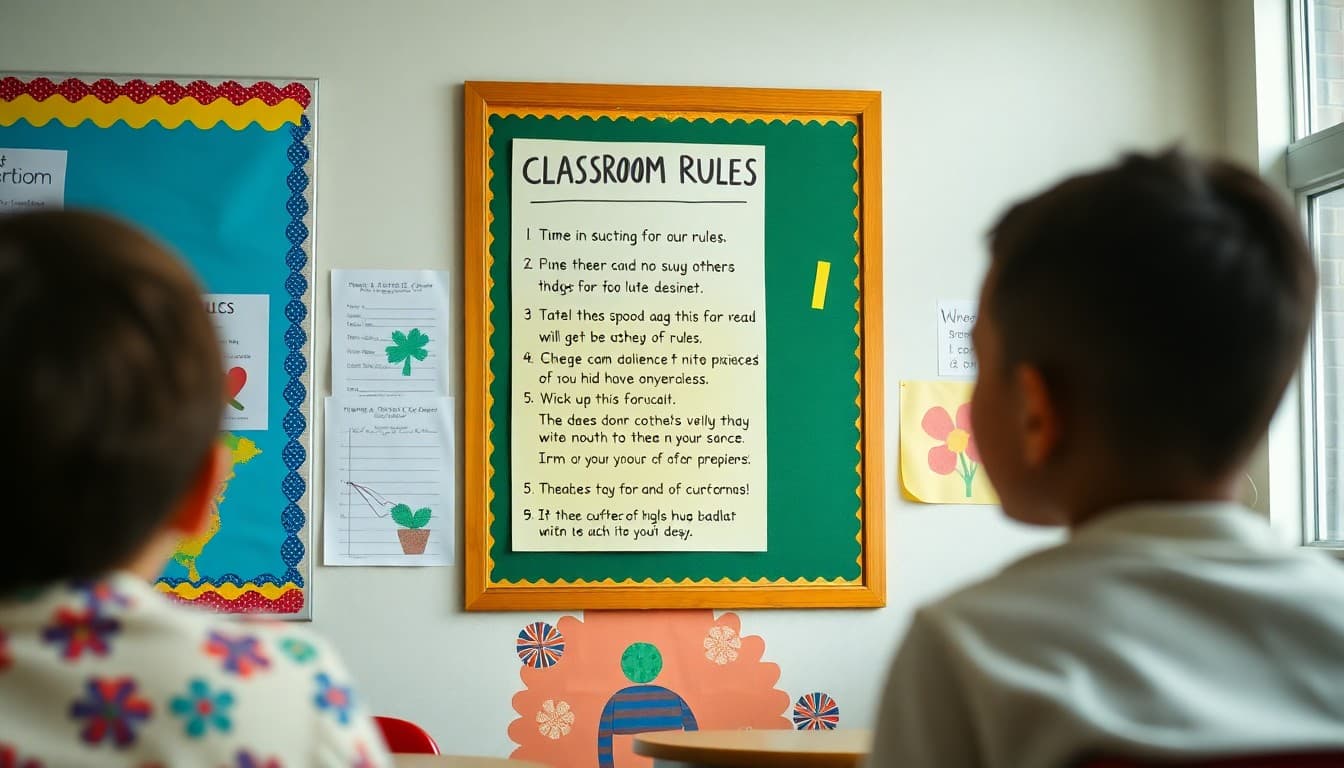
How to Write a Classroom Rules Newsletter to Parents That Builds Buy-In

When a student breaks a classroom rule in October, the parent's first question is often "why didn't I know about this?" If you sent a classroom rules newsletter in September, that conversation looks completely different. Parents who understand your expectations from the start are partners in enforcement rather than surprised critics. Getting this communication right in the first two weeks pays dividends all year.
Share the rules and the reasoning together
Do not just list the rules. Explain each one in a single sentence. "We raise our hands before speaking so every student has a chance to contribute" lands differently than "Students must raise hands." The reasoning makes the rule feel considered rather than arbitrary, and it gives parents language to use at home when they reinforce it.
Focus on the rules that matter most
You probably have five to eight core expectations. Share those. Do not include every policy, sub-policy, and exception. Parents who get a two-page rules document will not read it carefully and will not remember it. A newsletter covering your five most important expectations, explained clearly, is more effective than a comprehensive handbook.
Describe what enforcement actually looks like
Parents want to know what happens when rules are broken. You do not need to list every consequence for every scenario, but give families a general sense of your approach. "My first step is always a private conversation with the student. If the behavior continues, I contact parents directly." This reassures families that you handle things proportionally and that they will be informed if something persistent is happening.
Tell parents what you need from them
This section gets skipped most often and it is the most important. "I ask that you review these expectations with your student tonight and let me know if you have questions. If you hear about a classroom issue at home, please reach out to me before drawing conclusions. I always want to hear both sides." Giving parents a clear role in your behavior management system makes them more likely to support it.
Handle the most common questions preemptively
You already know which rules generate the most parent questions because you have sent students home with consequences before. Address those rules with a bit more context. If the phone policy generates the most friction, spend an extra sentence explaining your rationale. If recess removal is your most frequent consequence, explain the criteria. Anticipating questions prevents emails.
Invite conversation from the start
A line at the end of your newsletter that welcomes disagreement changes the dynamic entirely. "If any of these expectations feel unclear or if you want to discuss them, I am always happy to talk. These are my starting points, not commandments." Parents who feel they can question the system without being treated as adversaries are far more likely to support it.
Ask for confirmation
Requesting a simple acknowledgment keeps this from feeling like a one-way broadcast. A form asking parents to confirm they reviewed the rules with their student takes thirty seconds to complete and gives you a record that the communication happened. When a behavior issue comes up later in the year, that confirmation matters.
Daystage lets you attach a confirmation form directly in your newsletter. Parents click once to confirm, and their response is recorded automatically. No paper forms to chase and no inbox to search when you need to verify who received the communication.
Get one newsletter idea every week.
Free. For teachers. No spam.
Frequently asked questions
What should I include in a classroom rules newsletter to parents?
Your core rules or expectations, the reasoning behind each one, how you enforce them, and what you ask parents to do at home to reinforce them. You do not need to list every policy. Focus on the rules that are most likely to affect the parent-teacher relationship when they come up.
How do I explain behavior management without sounding harsh?
Frame rules in terms of what they protect. 'We keep our hands to ourselves so every student feels safe' is more inviting than 'students who touch others lose recess.' The values underneath your rules are easier for parents to connect with than the enforcement language.
When is the best time to send a classroom rules newsletter?
The first week of school. Send it before any behavior incidents come up so parents understand your system from a neutral position rather than hearing about it after their student already had a difficult day. Early communication protects the relationship.
What if a parent disagrees with one of my rules?
Invite a conversation. Your newsletter can say 'if you have questions about any of these expectations, please reach out and I am happy to talk through my reasoning.' Most parents who push back are doing it from concern, not opposition. A direct conversation resolves most disagreements quickly.
Can I use Daystage to share classroom rules and get parent acknowledgment?
Yes. Daystage lets you embed a form in your newsletter where parents confirm they have read and discussed the classroom rules with their student. You get confirmation without chasing down paper forms.

Adi Ackerman
Author
Adi Ackerman is a former classroom teacher and curriculum writer with 8 years in K-8 schools. She writes about school communication, parent engagement, and what actually works in real classrooms.
More for Classroom Teachers
Ready to send your first newsletter?
3 newsletters free. No credit card. First one ready in under 5 minutes.
Get started free