
How to Write a Class Community Newsletter to Parents
The classroom community you build affects every academic outcome in your room. Students who feel they belong take more risks, stay in the struggle longer, and support each other more consistently than students who feel like they are just sharing a space. Your newsletter can give families a view into that community so they can value it, reinforce it at home, and feel like they are part of it too.
Describe what community means in your specific classroom
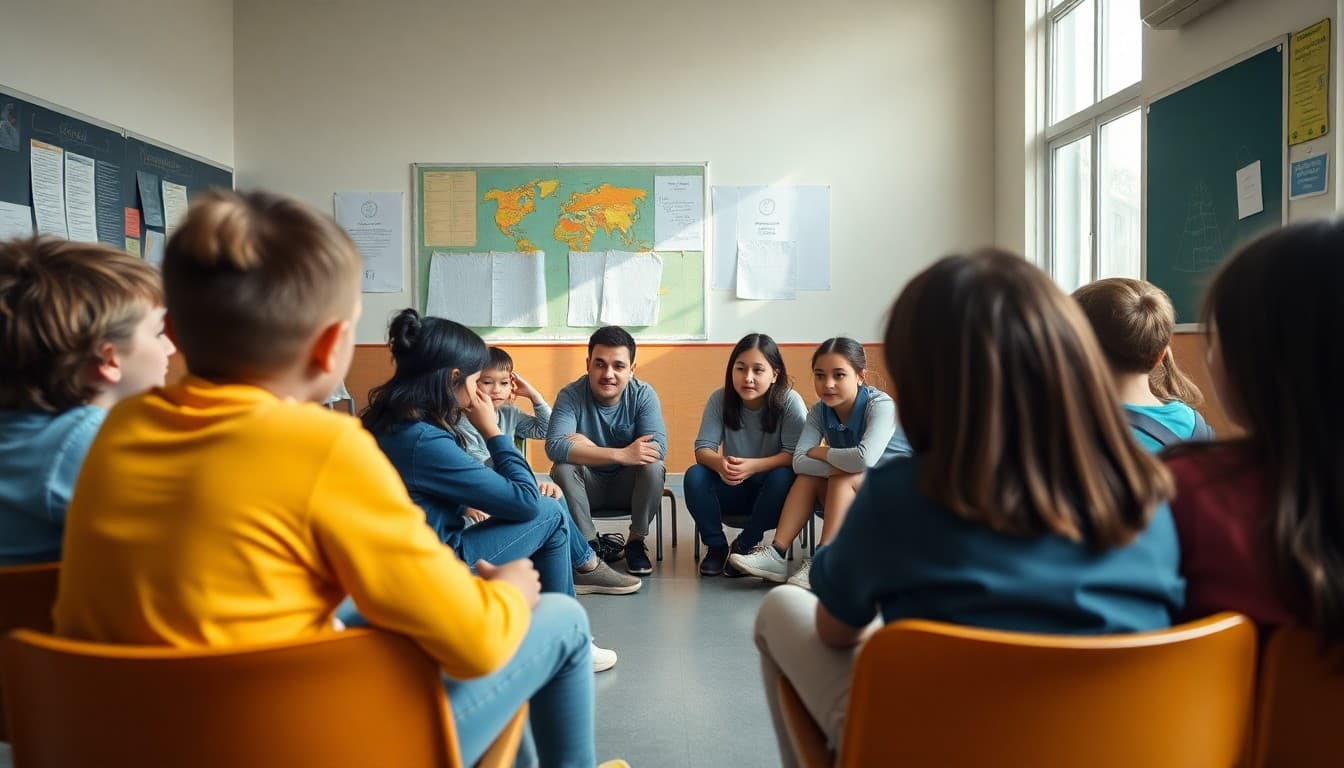
Every classroom community is different. What does yours look like? Name the specific practices. "We start each day with a morning meeting where every student has a chance to be heard. We have a class agreement we created together in September. We celebrate each other's work and we handle conflicts directly rather than letting them build." These specifics are far more evocative than "we have a positive classroom environment."
Share the creation process
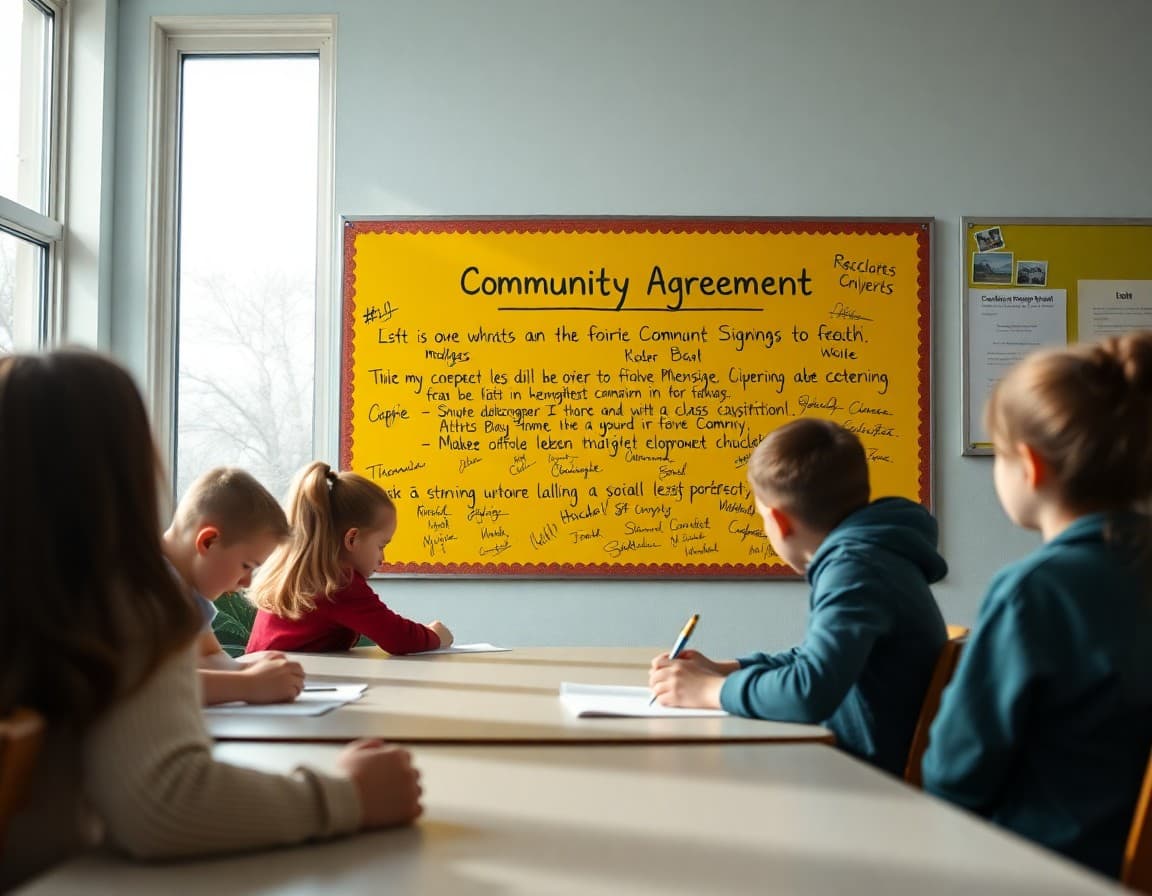
Families who know their student helped create the classroom agreement value it more than families who think the teacher wrote rules on a poster. "We spent our first week developing our classroom community agreement together. Each student contributed to the language. The final version is on our classroom wall and we refer to it when we have conflicts." This tells families that their student has ownership, not just compliance.
Include classroom rituals and routines
Rituals are the connective tissue of classroom community. Share yours. "On Fridays, we do a 'warm and cool' where students share one moment from the week they are proud of and one moment that was hard. It takes ten minutes and it is often the most important part of our week." Families who know about classroom rituals ask about them at dinner. Students who get asked feel seen.
Be honest about community challenges
A community newsletter that only reports wins feels like a press release. Brief honesty about challenges builds more trust. "We have had some friction around fairness in group work this month. We are working through it together and students have had some remarkably thoughtful conversations about what fairness actually means." This tells families that the community is real and that you navigate difficulty with students rather than around them.
Tell families how to reinforce community at home
There are specific things families can say that reinforce classroom community values. Asking "how did you support a classmate today?" instead of just "how was school?" reinforces the idea that the student is responsible for the community, not just a recipient of it. Share these prompts and families who want to support the work have tools to do it.
Celebrate community growth publicly
When the class navigates something hard together, say so. "This week our class had a genuine conflict about how a project was divided. Students handled it without my intervention by referring to our community agreement. I am proud of them." This kind of specific recognition tells families what the community actually looks like in practice.
Invite families into the community
Families who feel welcome in your classroom community are the most engaged partners you have. Close your community newsletter with an invitation. "If you ever want to visit and see what our classroom feels like, I welcome it. You can also share your family's own community values with me. The more I know about the communities your student belongs to outside school, the better I can connect that to what we build here."
Daystage makes it easy to share photos, student quotes, and community updates in your newsletter. Families who see the community rather than just reading about it feel connected to the classroom in a way that drives deeper engagement all year.
Get one newsletter idea every week.
Free. For teachers. No spam.
Frequently asked questions
What should I include in a class community newsletter?
What community means in your classroom, specific rituals or practices that build belonging, how students participate in shaping the community, and what families can do to reinforce the same values at home. The newsletter should give families a window into your classroom culture.
How often should I send a class community newsletter?
Once at the start of the year to establish the framework, and then brief community updates woven into your weekly newsletter as moments arise. Big community milestones, new classroom agreements, or challenges the class navigated together are all worth a mention.
How do I describe classroom community without sounding corporate?
Use specific, concrete examples rather than abstract values language. 'We practice listening without interrupting during our morning meeting' is better than 'we build a culture of respect.' The specific practice tells the real story.
Should I involve students in writing the class community newsletter?
You can include student quotes or brief reflections about what community means to them. This adds authenticity and gives families a sense of what their student is actually saying and thinking in class. It is more interesting than a teacher summary alone.
Can Daystage help me share class community moments in my newsletter?
Yes. Daystage lets you include photos, student quotes, and community updates in a well-structured newsletter so families see the community culture rather than just reading about it.

Adi Ackerman
Author
Adi Ackerman is a former classroom teacher and curriculum writer with 8 years in K-8 schools. She writes about school communication, parent engagement, and what actually works in real classrooms.
More for Classroom Teachers
Ready to send your first newsletter?
3 newsletters free. No credit card. First one ready in under 5 minutes.
Get started free