
Classroom Rewards System Newsletter: How We Celebrate Success
Reward systems work best when students understand them, families support them, and the criteria are clear to everyone involved. A classroom rewards system newsletter that explains your approach at the start of the year prevents confusion, reduces the perception of favoritism, and gives families a way to celebrate achievements at home when they happen.
What Your System Recognizes
Start the newsletter by describing exactly what your reward system is designed to recognize. Is it academic effort? Positive behavior? Meeting community expectations? Showing growth? Being specific matters here because families and students who understand the criteria understand the system. A system that appears to reward "teacher favorites" is almost always one that lacks transparent criteria.
How Students Earn Rewards
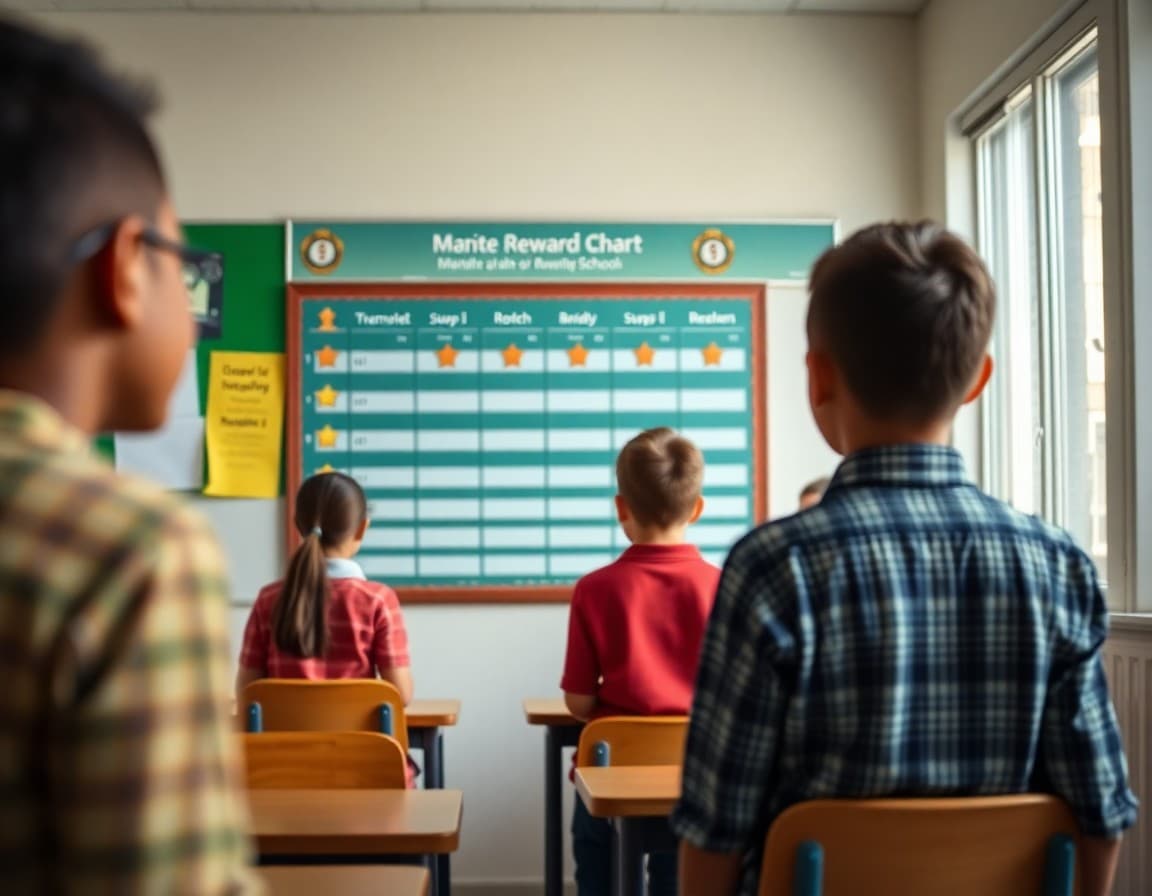
Walk through the mechanics. If you use a point system, explain how points are earned and how they accumulate. If you use a class-wide system like a marble jar or a class points tracker, explain what triggers class rewards. If recognition is more informal, describe what that looks like: a personal note, a mention in the morning meeting, a call home from you. Families who understand the mechanism can encourage their child to aim for it.
What the Rewards Are
Be specific. Not just "privileges and recognition" but: five minutes of free choice time on Fridays, first pick of classroom jobs for the week, a positive postcard home, recognition on your class bulletin board, or a shout-out in your newsletter. When students and families know what they are working toward, the motivation is more concrete. Vague rewards create vague effort.
A Sample Rewards Explanation for Families
Here is a short explanation you can adapt:
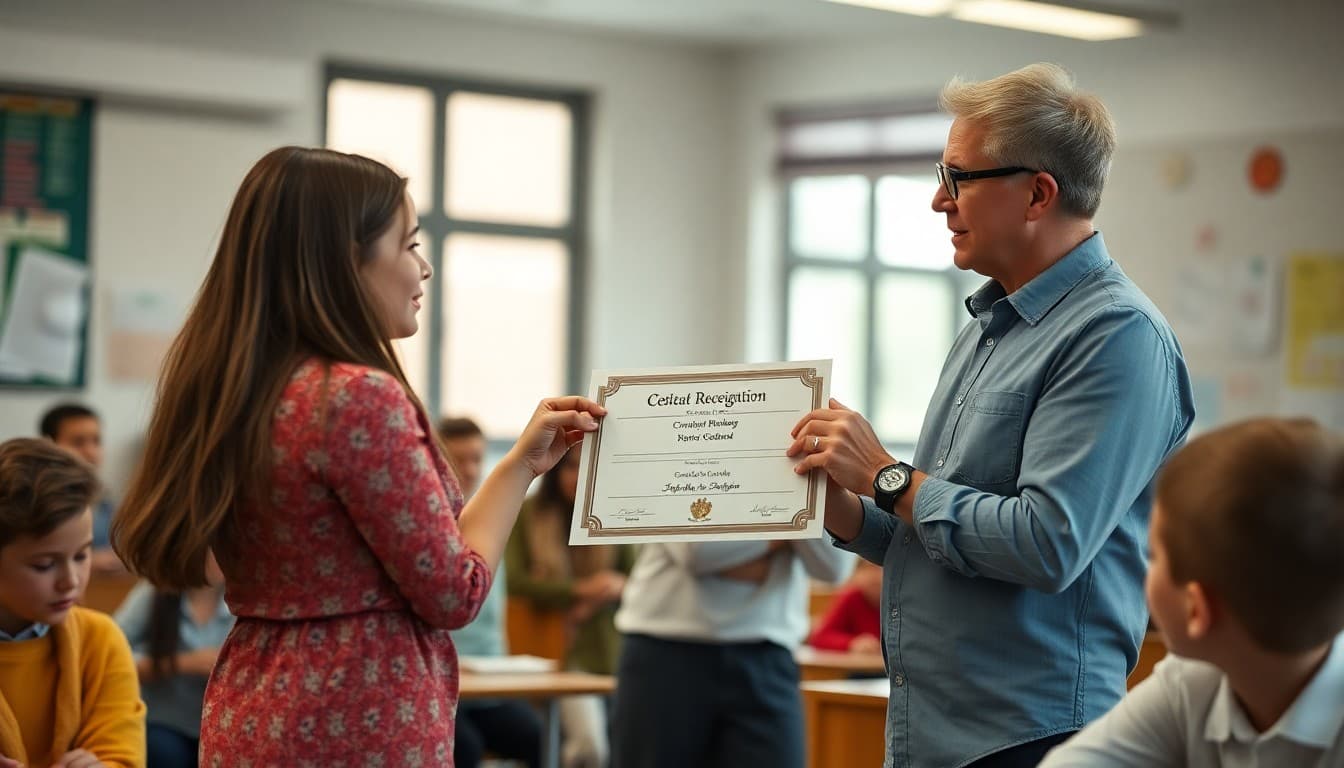
"Students earn class points for completed work, positive behavior, and community contributions. When the class reaches 50 points, we celebrate with a free-choice Friday afternoon activity. Individual recognition happens weekly: I select one student who has shown growth or effort that stands out and send home a positive postcard that week. There is no competition for these recognitions. Multiple students can be recognized in the same week."
How You Handle Students Who Are Not Earning Rewards
Address this directly. If only the same five students are ever recognized, the system has a fairness problem that families will notice. Explain your approach to ensuring the system feels accessible to all students: rotating recognition, focusing on growth rather than absolute achievement, or building in specific recognition for students who have been working on a particular challenge. Transparency here matters.
What You Would Rather Avoid
If your system deliberately avoids certain common reward practices, it is worth mentioning why. If you do not use food rewards or prize-based systems, a brief explanation helps families whose children ask why the class does not have a candy jar. "We focus on recognition and choice as our primary motivators" is a complete enough explanation.
How Families Can Reinforce Recognition at Home
Ask families to talk about recognition when they hear about it. When their child mentions they earned a class point or received a positive postcard, taking a moment to acknowledge it at home extends the motivational effect. Something as simple as "I heard you got recognized for helping a classmate today. That matters" reinforces the values your system is designed to build.
Get one newsletter idea every week.
Free. For teachers. No spam.
Frequently asked questions
What should a classroom rewards system newsletter include?
Explain what behavior or achievement your system recognizes, how students earn rewards, what the rewards are, and how families will know when their child has earned one. Also address how the system handles students who are not earning rewards consistently, so families understand your equity approach.
Should rewards be for behavior, academics, or both?
Many teachers find it most effective to recognize effort and growth rather than tying rewards exclusively to achievement. A student who makes significant progress but does not reach the top tier should still feel the system works for them. Your newsletter can explain what specifically you are recognizing and why.
How do I handle families who do not believe in reward systems?
Acknowledge that reward systems are one of several approaches to motivation and that your system is designed to recognize growth and community behavior rather than to create competition. Families who disagree philosophically are more likely to tolerate a system they understand than one they perceive as arbitrary.
What types of rewards are most effective in classrooms?
Research on extrinsic motivation in school settings suggests non-tangible rewards tend to be more durable: recognition, choice, and responsibility often outperform prizes and food. A mention in the newsletter, a classroom job of honor, extra choice time, or a personal shout-out from the teacher can be just as motivating as a tangible reward.
Can I use Daystage to send reward announcements home to families?
Yes. Daystage makes it easy to send a brief weekly or monthly update recognizing student achievements. Some teachers send a short Friday newsletter with student of the week recognition or class achievement highlights, which families tend to read and share with their child.

Adi Ackerman
Author
Adi Ackerman is a former classroom teacher and curriculum writer with 8 years in K-8 schools. She writes about school communication, parent engagement, and what actually works in real classrooms.
More for Classroom Teachers
Ready to send your first newsletter?
3 newsletters free. No credit card. First one ready in under 5 minutes.
Get started free