
How to Write a Rube Goldberg Project Newsletter to Families
Rube Goldberg machine projects produce a particular kind of excitement in students that few other projects match. The combination of creative design, physical comedy, real engineering constraints, and the deeply satisfying moment when a chain reaction completes its task makes this one of the most memorable projects in a school year. A newsletter that explains the physics and engineering behind the project transforms family curiosity into genuine understanding of what their student is learning.
Explain what a Rube Goldberg machine is
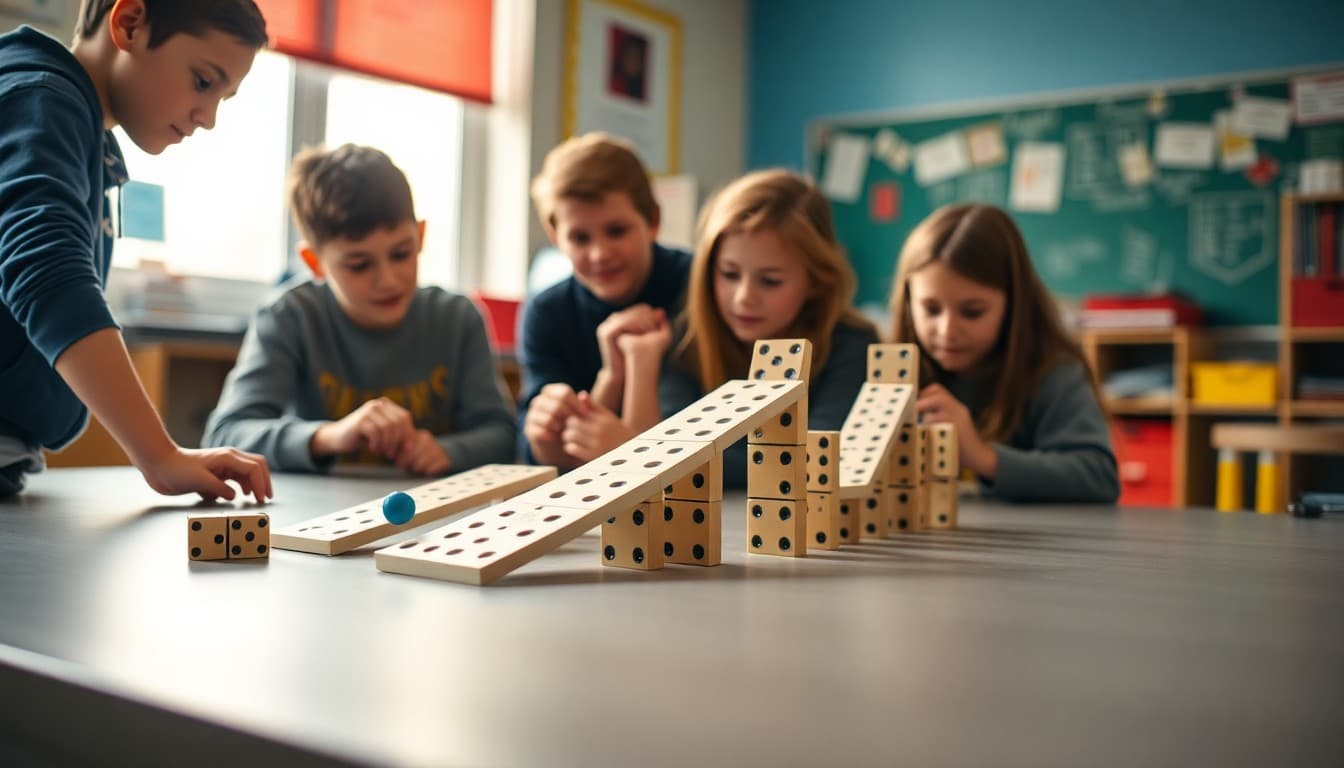
Start with the concept. A Rube Goldberg machine is named after the cartoonist Rube Goldberg who drew elaborate contraptions that performed simple tasks through an absurd number of steps. In class, students are challenged to design a chain reaction device where each step triggers the next through a specific mechanism, ultimately completing a task like popping a balloon, ringing a bell, or dropping a ball into a cup. The goal is intentional complexity and reliable execution.
Connect to simple machines and physics
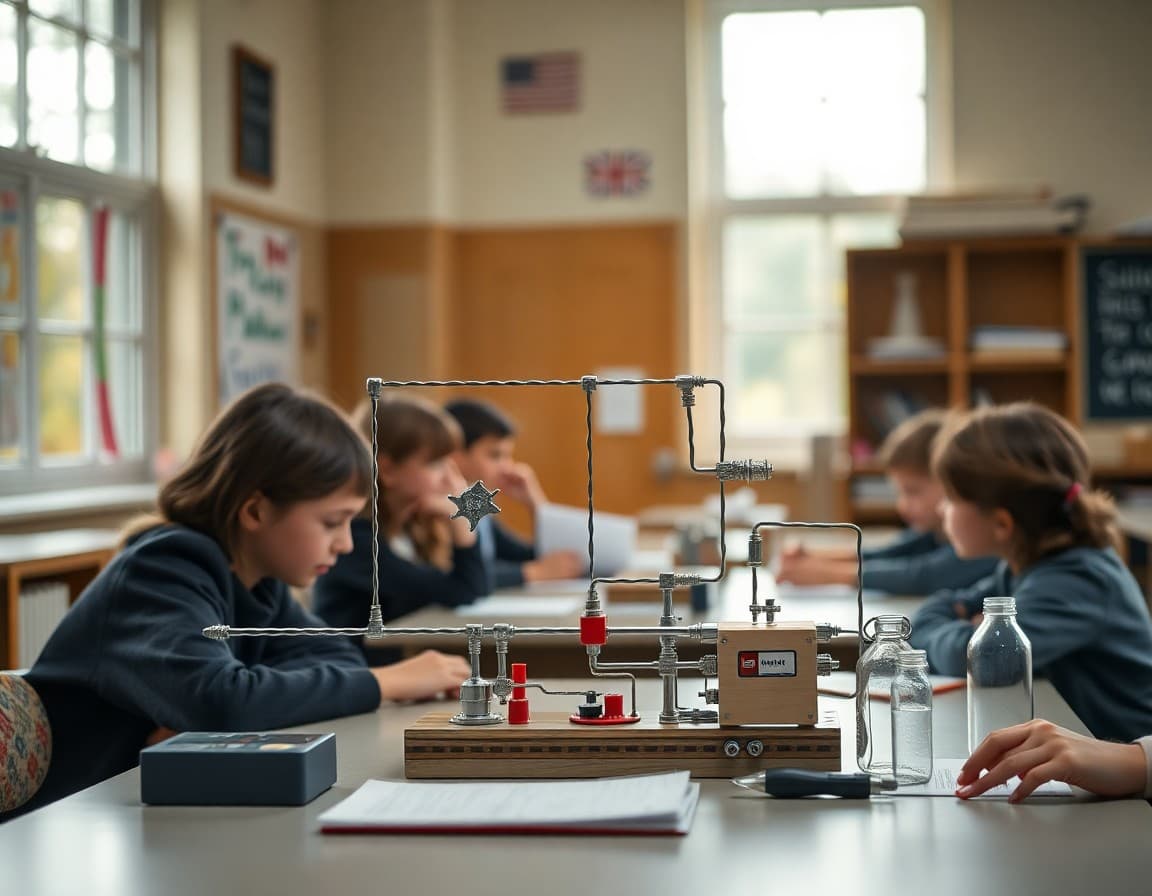
Every step in a Rube Goldberg machine involves a transfer of energy and often at least one simple machine. Ramps convert height into forward motion. Levers transfer force across a pivot point. Pulleys change the direction of a pull. Students who can identify which simple machines they incorporated and what energy transformation happens at each step are demonstrating physics knowledge that connects directly to the curriculum standards the project addresses.
Describe the project constraints and requirements
Tell families the specific requirements: the minimum number of steps, which simple machines must be included, what the final task is, the size limits for the machine, and the demonstration timeline. Constraints focus the engineering problem and prevent designs that are just ramps and dominoes. A student working within specific requirements is doing harder and more meaningful engineering than one designing without limits.
Prepare families for the iteration process
Rube Goldberg machines almost never work on the first attempt. One step fails to trigger the next, a ramp angle is slightly off, or a lever does not have enough counterweight. The debugging process, identifying which step fails and why, adjusting, and testing again, is where most of the engineering learning happens. Families who understand this approach their student's frustration with curiosity rather than concern.
Explain the documentation requirement
Students are required to document their design throughout the process. Step diagrams labeling the mechanism and energy transfer at each point, records of testing attempts and what was changed, and an explanation of how each simple machine contributes to the chain. This documentation is not just a record of what happened. It is an argument for the physics reasoning behind the design, and families who understand this help their student take the process documentation seriously.
Tell families about demo day
The demonstration is the culminating moment of the project. Tell families when and where it happens and whether they can attend. Students presenting a machine to an audience of family members invest more in both the engineering quality and the presentation of their design. A successful chain reaction in front of family is one of those school memories that stays with a student for a long time.
Suggest a chain reaction conversation at home
Families can engage with their student by asking them to explain each step in their machine and what force triggers each transition. This cause-and-effect explanation is the core thinking skill the project develops. Students who can narrate the chain clearly have internalized the sequential reasoning. Students who cannot usually discover that gap through the conversation, which is valuable before demo day.
Daystage makes it easy to send a Rube Goldberg project newsletter with demo day details and a follow-up video so families experience the creativity, the physics thinking, and the chain reaction payoff of one of the most inventive projects in the engineering curriculum.
Get one newsletter idea every week.
Free. For teachers. No spam.
Frequently asked questions
What is a Rube Goldberg machine and what does building one teach?
A Rube Goldberg machine is a chain reaction device where each step triggers the next in sequence, ultimately completing a simple task in an intentionally complex way. Building one teaches cause-and-effect reasoning, sequential thinking, mechanical physics (simple machines, energy transfer, gravity), collaborative design, and the iterative engineering process of building, testing, and adjusting until every step fires reliably.
What simple machines are involved in Rube Goldberg projects?
Rube Goldberg machines typically incorporate multiple simple machines: inclined planes (ramps), levers, pulleys, wheels and axles, screws, and wedges. Each simple machine changes the direction or magnitude of a force. Identifying which simple machines a student used and why connects the project directly to the physics curriculum.
How is a Rube Goldberg project assessed?
Assessment includes the design documentation (step diagrams, simple machine identification, energy transfer labeling), the engineering process (recorded attempts, adjustments, and reasoning), and the final demonstration. A machine that completes its task on the first try is impressive, but a machine that fails five times before succeeding with well-documented redesigns shows more engineering thinking.
How can families support a Rube Goldberg project at home?
Asking their student to walk them through the design and explain what force triggers each step helps students practice the cause-and-effect reasoning the project is developing. Families who encounter chain reactions in daily life, a row of falling books, a ball rolling down a slope, can connect those observations to what their student is building.
What tool helps teachers communicate about Rube Goldberg projects?
Daystage makes it easy to send a Rube Goldberg project newsletter with demo day details and video updates so families can celebrate one of the most creative and technically demanding projects their student will complete.

Adi Ackerman
Author
Adi Ackerman is a former classroom teacher and curriculum writer with 8 years in K-8 schools. She writes about school communication, parent engagement, and what actually works in real classrooms.
More for Classroom Teachers
Ready to send your first newsletter?
3 newsletters free. No credit card. First one ready in under 5 minutes.
Get started free