

Reading Log Update Newsletter: What Teachers Should Communicate
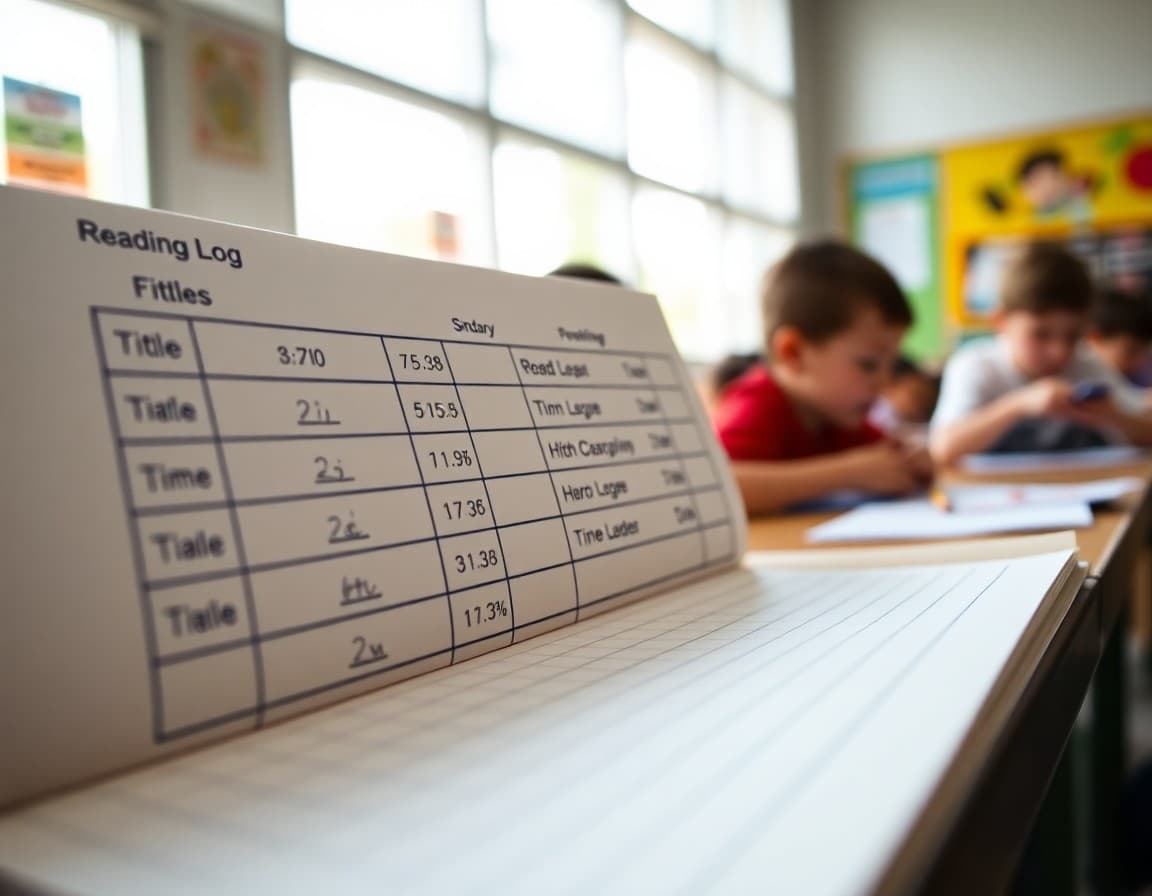
Reading logs live and die by the level of family understanding and buy-in. When families know why the log exists, what counts, and what to do when the routine breaks down, reading logs function well. When they do not know these things, you get a mix of meticulous parents who track every minute and families who sign blank logs to avoid conflict. A clear newsletter prevents the second scenario.
Explain the Purpose Honestly
The reading log is not a compliance tool. It is a habit tracker. Tell families that directly. "The point of the reading log is to help students build a daily reading habit. The research on independent reading is clear: students who read at least 20 minutes per day independently develop significantly stronger vocabulary and comprehension over time. The log is how we track whether that habit is actually forming." Families who understand the purpose treat the log differently than those who see it as a paper to sign.
What Counts and What Does Not
Define this clearly in your newsletter and save yourself the questions. "Reading books, graphic novels, magazines, newspapers, and e-readers all count. Reading to a younger sibling counts. Read-alouds where your child is following along in the text count. Audiobooks alone do not count for our log. If your child is listening and not reading, the log should reflect that." Clear, no ambiguity, no room for creative interpretation.
How Long and When
State the time expectation directly. "The goal is 20 minutes of independent reading each school night. Weekends are encouraged but not required in the log. 20 minutes is a minimum. If your child wants to read more, that is always welcome." Adding "20 minutes is a minimum" prevents the family who puts their child to bed after exactly 20 minutes regardless of where they are in their book.
What Families Should Actually Do
Give families a specific role. "Your job is to create the conditions: a quiet, comfortable space and a regular time in the evening. Ask your child what they are reading and one thing that happened in it. You do not need to read with them every night, but showing interest makes a real difference in whether they take it seriously." Practical, specific, and respectful of what families can realistically do.
Class Progress Update
If you track cumulative reading minutes or book counts as a class, share the data. "Our class has logged 2,140 minutes of reading this month, which is ahead of our goal. Seven students have finished their second book of the quarter." Aggregate data celebrates collective progress without identifying any individual. It also gives families a sense of where your class culture stands around reading.
When the Log Is Not Happening
Some families will struggle with the reading log routine. Rather than letting it turn into a confrontation, give families a path. "If the reading log is consistently not happening, please reach out to me. There are adjustments we can make to the timing, the book level, or the format of the log itself. The goal is a sustainable habit, not a stressful requirement." That kind of flexibility prevents the shame spiral that kills reading motivation entirely.
Mid-Year Check-In
Send a brief reading log update newsletter at the midpoint of the year. Report how the class is doing, acknowledge what is working, and offer any adjustments based on what you have observed. Families who have been diligent appreciate the acknowledgment. Families who have struggled appreciate a reset rather than a correction.
Get one newsletter idea every week.
Free. For teachers. No spam.
Frequently asked questions
What should a reading log update newsletter include?
How the reading log works, what counts as reading, how long students should read, what families should do to support the habit, what happens if the log is not returned, and how students are tracking against the goal. Include an update on class progress if relevant.
How do I handle families who admit they are signing the log without their child reading?
Address it privately, not in the newsletter. The newsletter can set context by reminding families that the reading habit matters more than the logged minutes: 'The purpose of the reading log is to build a daily habit. A signed log without real reading defeats the purpose. If your child is struggling, let me know so I can help.'
What counts as reading for a classroom reading log?
Be explicit in your newsletter. Physical books, e-readers, graphic novels, magazines, and read-alouds where the child follows along all typically count. Audiobooks alone usually do not. Define it clearly because families will ask and it is better to have the answer written somewhere they can reference.
How many minutes should students read nightly?
Grade-appropriate norms vary, but 20 minutes per night is standard for grades 2 through 5. Your newsletter should state your specific expectation clearly and explain that the 20 minutes is a minimum, not a maximum.
How can Daystage help communicate reading program updates?
Daystage lets you send a reading update newsletter with current class stats, a reminder section, and a link to resources all in one place, which is more effective than a plain email that families scroll past.

Adi Ackerman
Author
Adi Ackerman is a former classroom teacher and curriculum writer with 8 years in K-8 schools. She writes about school communication, parent engagement, and what actually works in real classrooms.
More for Classroom Teachers
Ready to send your first newsletter?
3 newsletters free. No credit card. First one ready in under 5 minutes.
Get started free