
How to Write a Reading at Home Tips Newsletter to Families
Reading at home newsletters are most effective when they move past "please have your student read every night" into specific, actionable practices that families can actually implement. The families who most need the guidance rarely need to be told that reading is important. They need to know what it looks like in practice, how long it should take, and what to do when it does not go well.
Lead with the research on daily reading
Ground your newsletter in evidence. Students who read independently for 15 to 20 minutes daily are exposed to significantly more words, text structures, and ideas than students who do not, and that exposure compounds over time into substantial reading ability differences. Families who understand this context treat the daily reading habit as the high-value investment it actually is.
Give permission to read anything
One of the most effective things you can say in a reading at home newsletter is that everything counts. Comic books, graphic novels, nonfiction about sports or animals or science, magazine articles, recipe instructions, joke books. Reading volume is what builds reading skill, and reading volume goes up when students choose what they read. Expanding families' definition of "reading" opens doors for reluctant readers.
Recommend the read-aloud regardless of reading level
Encourage families to read aloud to their student even if the student is already a capable independent reader. Read-alouds expose students to more complex vocabulary and narrative than independent reading typically reaches. They also build the love of story that sustains reading motivation through the years when it might otherwise fade. The benefits of read-alouds do not stop when a child can read on their own.
Describe the independent reading setup
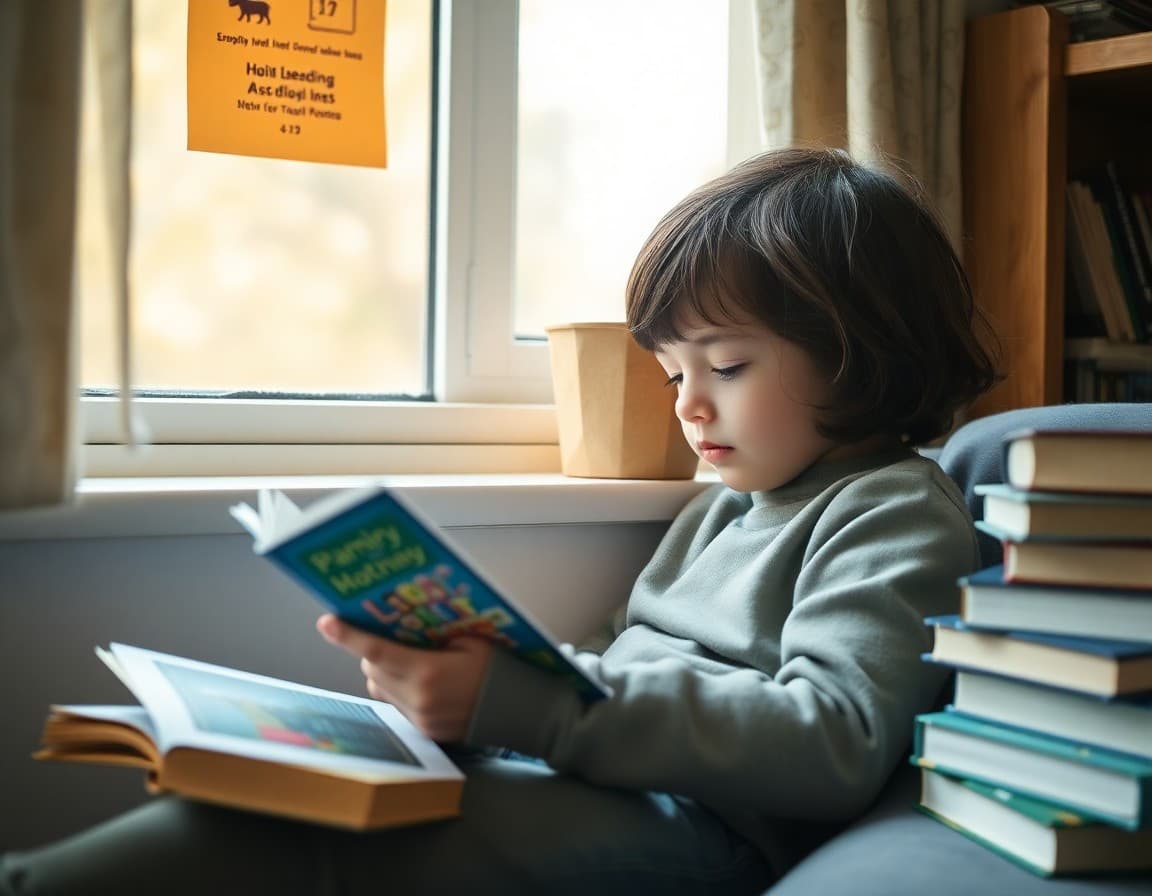
Give families a practical picture of what a good independent reading session looks like. A quiet, comfortable spot. Minimal screen-based distractions nearby. A book that is interesting and readable, not too hard. A consistent time of day that becomes a routine. Small environmental factors make a significant difference in how well independent reading sessions go.
Give conversation starters for after reading
A brief conversation about what a student read deepens comprehension in ways that silent reading alone does not. Give families specific questions they can ask. "What happened that surprised you?" "What would you have done if you were that character?" "What do you think is going to happen next?" These questions build comprehension skills and turn reading into a shared experience rather than an isolated activity.
Address what to do when the child is reluctant
Families with reluctant readers need more than encouragement. Give them specific strategies. Start with shorter sessions and build up. Try audiobooks paired with the print version. Read alongside the child rather than sending them off alone. Visit the library together to choose books based purely on interest. Reduce the pressure of comprehension questions and just let them read for pleasure.
Connect home reading to classroom learning
Let families know how the at-home reading connects to what you are doing in class. If students are studying a genre in class, reading in that genre at home reinforces the work. If a class novel is underway, reading chapters at home alongside classroom discussions is a natural extension. This connection gives home reading a purpose that goes beyond meeting a minimum requirement.
Daystage makes it easy to send a reading at home newsletter at the start of the year and to follow up with updated guidance as your curriculum progresses and reading goals shift throughout the school year.
Get one newsletter idea every week.
Free. For teachers. No spam.
Frequently asked questions
How much should students read at home each night?
For most elementary students, 15 to 20 minutes of independent reading a night is enough to make a measurable difference over time. Consistency matters more than duration. A student who reads for 15 minutes every night builds far more literacy skill than one who reads for an hour on occasional Sundays.
What should families do if their child says they do not like reading?
Start with choice. Let the student choose what they read, including comic books, graphic novels, nonfiction about their interests, or books in a series they have been following. Interest in the topic is the single biggest driver of reading engagement. Reading something the student actually wants to know more about beats a 'better' book they find boring every time.
Should families read aloud to students who are already independent readers?
Absolutely. Reading aloud to children exposes them to more complex vocabulary, sentence structures, and narratives than they can typically access in their independent reading. It also builds the love of story that sustains long-term reading habits. Read-alouds have documented benefits well into middle school.
How do I explain reading log requirements in a newsletter without making reading feel like a chore?
Frame the log as a celebration record rather than a compliance checklist. Students are documenting what they read, not proving they did the minimum. If possible, make the log flexible enough that students can record anything they read, not just assigned books.
What tool helps teachers send reading at home newsletters?
Daystage makes it easy to send a well-organized reading at home tips newsletter that families can reference throughout the year when they are looking for ways to support their student's literacy development.

Adi Ackerman
Author
Adi Ackerman is a former classroom teacher and curriculum writer with 8 years in K-8 schools. She writes about school communication, parent engagement, and what actually works in real classrooms.
More for Classroom Teachers
Ready to send your first newsletter?
3 newsletters free. No credit card. First one ready in under 5 minutes.
Get started free