

How to Write a Reading Level Information Newsletter to Families
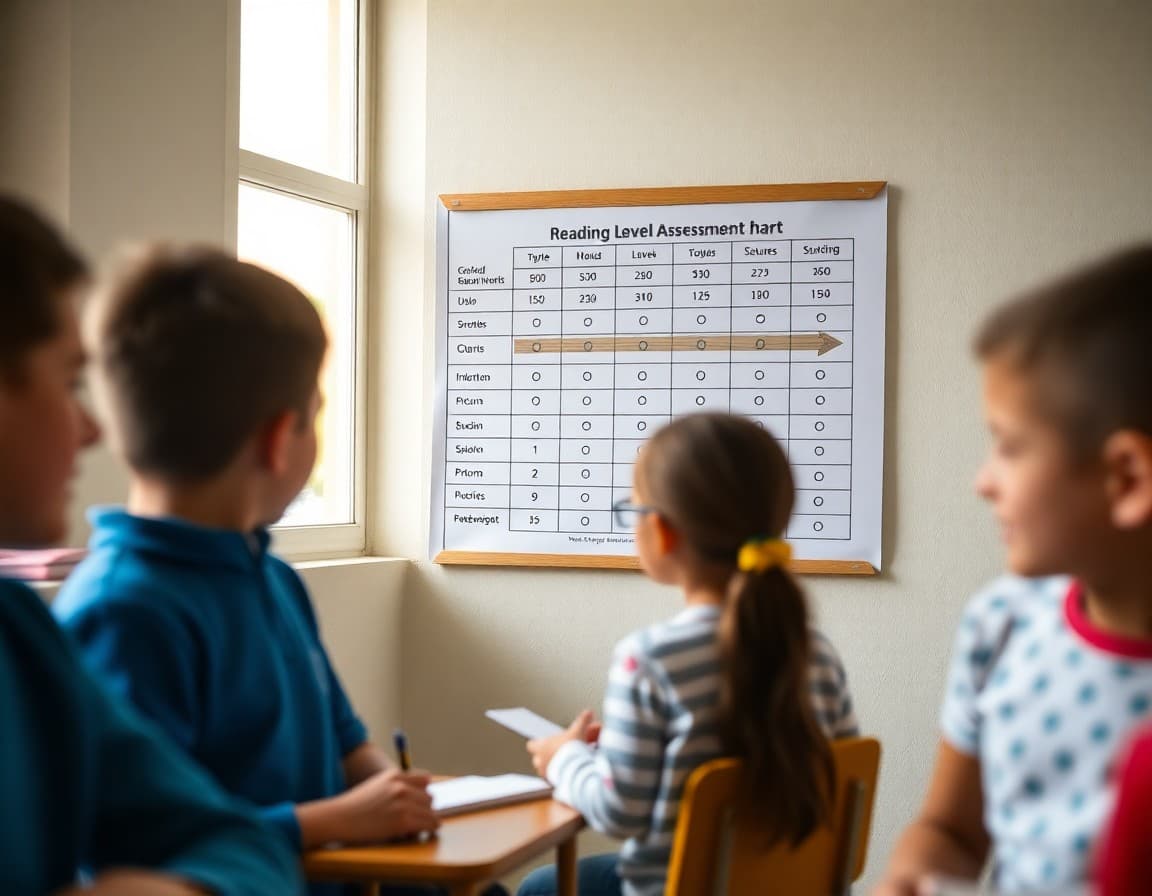
Reading level newsletters sit at an interesting intersection of education and parent emotion. A number or letter attached to their child's name can trigger anxiety, pride, or relief depending on the context families bring to it. A good newsletter shapes that context before it shapes itself. Families who understand what reading levels actually measure, and what they do not, respond to the information more constructively.
Explain the purpose of reading levels
Start by explaining what levels are for. Reading levels help teachers match students with texts that are appropriately challenging enough to build skills without being so difficult that fluency and comprehension break down. They are a planning tool, not a ranking system. A student reading at a particular level is not being evaluated. They are being matched with texts that will help them grow most efficiently.
Describe the system your school uses
Explain the specific reading level system or assessment framework your class and school use. If you use Guided Reading Levels, explain what the A through Z progression means. If you use Lexile scores, explain what the numbers represent. If you use DRA or another system, describe it briefly. Families who do not know what the system is cannot interpret the information you send home.
Share the grade-level expectations
Give families a benchmark. What is the typical reading level range for students entering your grade? What is the expected range by the end of the year? Families who have a reference point for what "on track" looks like interpret individual level information much more accurately than those who receive a number or letter without any context.
Explain that levels are not permanent
This is one of the most important things you can say in a reading level newsletter. Reading levels are not fixed. They change as students develop skills through instruction and practice. A student who is assessed at a particular level today will be at a different level in a few months with good instruction and consistent reading practice. Families who understand this do not treat a level as a life sentence.
Explain individual level communication separately
Let families know how they will receive their student's specific reading level. Whether through a conference, a report card comment, or a direct note home. This newsletter is about the system. Individual information will come separately. Families who know this is coming and know the format it will arrive in are prepared to receive it thoughtfully.
Give families specific at-home guidance
Share the research on how families can best support reading at home regardless of where their student's current level falls. Regular independent reading in books the student can read comfortably. Read-alouds of more complex texts to build vocabulary and listening comprehension. Library visits to choose books by interest. The at-home actions that work for reading development are consistent regardless of level.
Caution against over-testing at home
Some families, upon learning their child's reading level, will pull up online level tests and run them repeatedly at home. This is worth gently discouraging. Frequent informal assessments at home do not produce the same reliable data as your classroom assessment and can create anxiety around reading that you are working to avoid. Encourage reading for pleasure instead.
Daystage makes it easy to send this kind of context-setting newsletter to your full class before individual reading level information comes home, so families already have a framework when they see the specific numbers or letters for their student.
Get one newsletter idea every week.
Free. For teachers. No spam.
Frequently asked questions
How do I explain reading levels to parents without causing anxiety?
Start with what reading levels are and are not. They are a tool for matching students with texts that are appropriately challenging for current skill development. They are not grades, judgments of intelligence, or permanent designations. Families who understand reading levels as a teaching tool rather than a ranking are far less anxious about where their child falls.
What reading level systems should I explain in my newsletter?
Explain the specific system your school uses. Whether that is Lexile levels, Guided Reading Levels (A-Z), DRA, or another system. Define what the numbers or letters mean in terms of text complexity and describe the typical range for your grade level so families have a benchmark.
Should I send home each student's reading level in a newsletter?
Individual reading levels belong in individual parent communication, not a class newsletter. Use the class newsletter to explain the system and what it means. Send specific level information to individual families through a private channel like a conference note, report card comment, or direct email.
How can families support reading at home based on level information?
Encourage families to visit the library and ask for books at or just below their student's reading level for independent reading enjoyment, and to read aloud books that are above their student's level to expose them to more complex vocabulary and narrative structure. Both practices support reading growth in different ways.
What tool helps teachers communicate about reading levels?
Daystage makes it easy to send a reading level overview newsletter to your full class and to follow up with individual level updates for specific families, all through the same platform.

Adi Ackerman
Author
Adi Ackerman is a former classroom teacher and curriculum writer with 8 years in K-8 schools. She writes about school communication, parent engagement, and what actually works in real classrooms.
More for Classroom Teachers
Ready to send your first newsletter?
3 newsletters free. No credit card. First one ready in under 5 minutes.
Get started free