
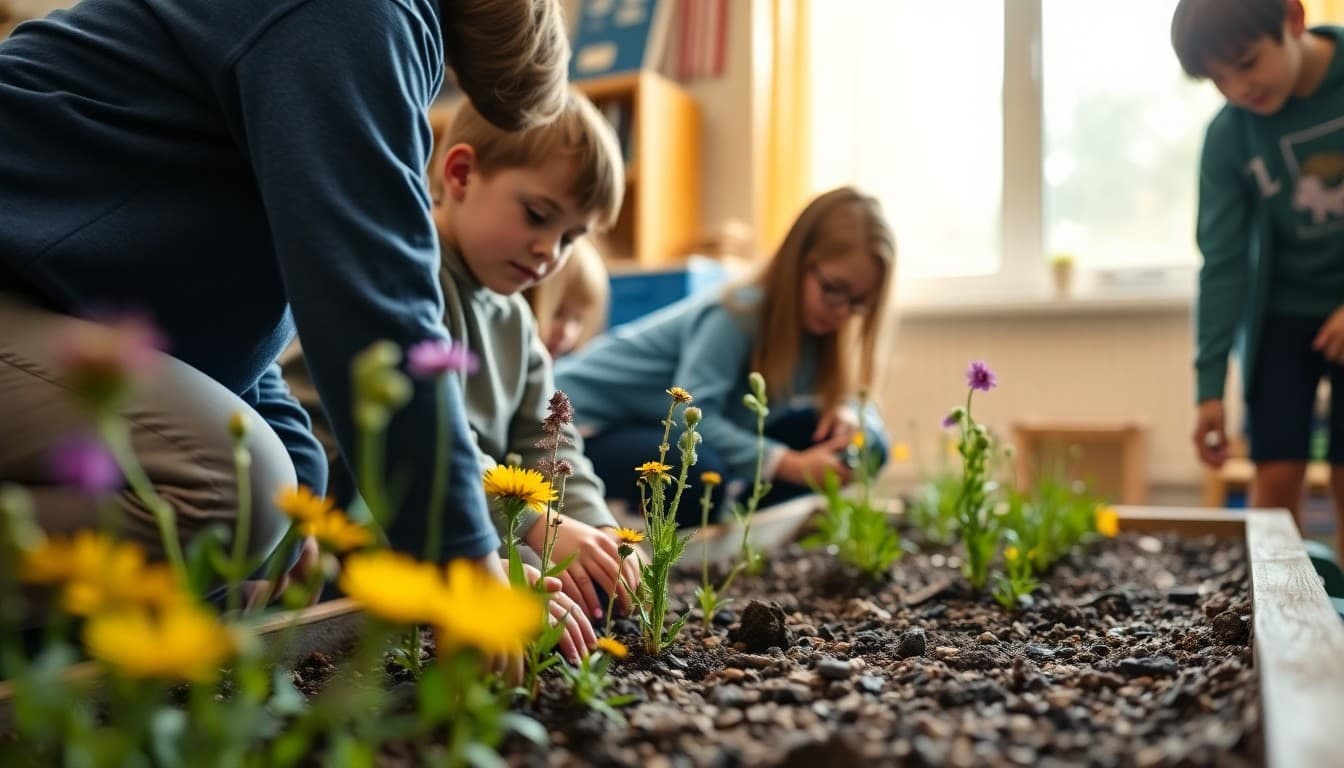
Teacher Newsletter for Pollinator Garden: Teach Science Through Growing
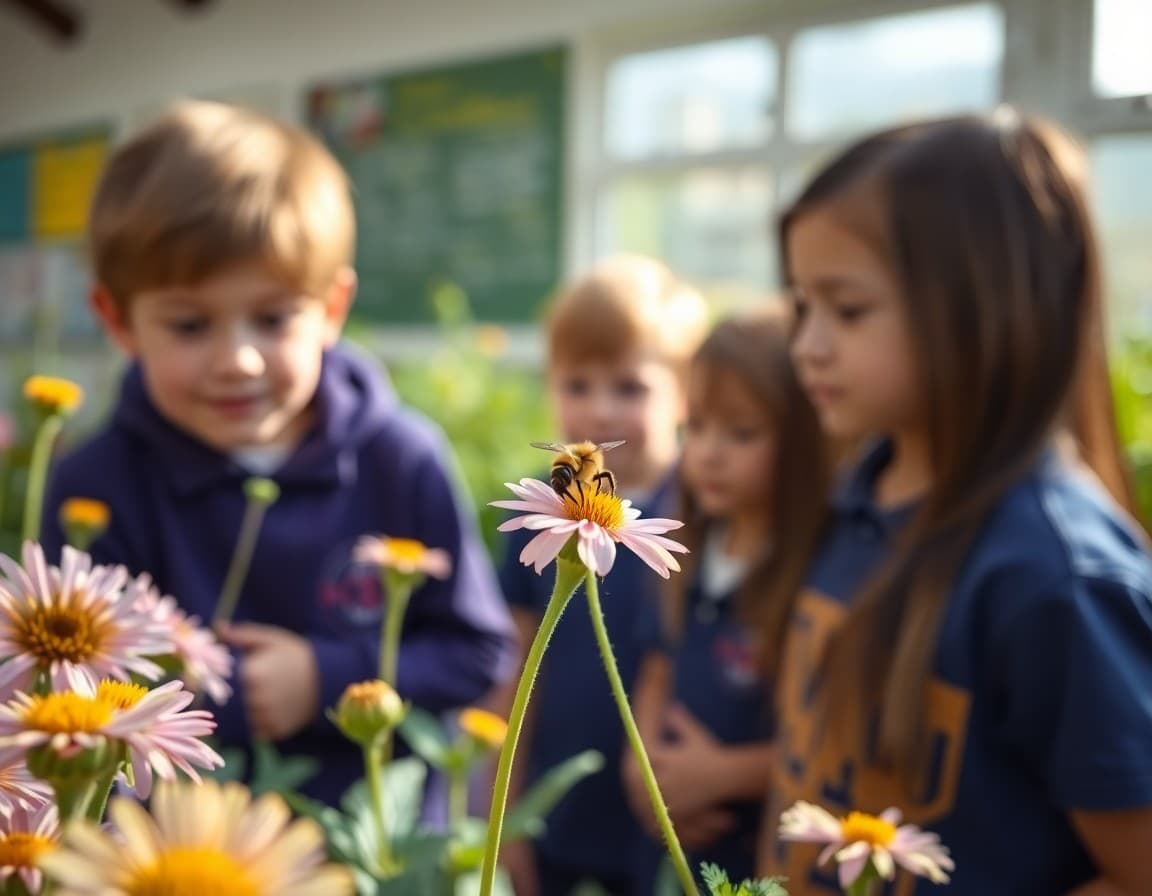
A pollinator garden is one of the most scientifically rich classroom projects available. Students plant, observe, measure, and document an ecosystem in real time. They watch bees, butterflies, and other pollinators visit the garden they created. And through that observation, they develop genuine understanding of ecological relationships that no worksheet can produce. Your newsletter is what brings families into that experience.
Explain Why Pollinators Matter
Open the newsletter with the ecological context. Pollinators, including bees, butterflies, hummingbirds, and moths, are responsible for the reproduction of most flowering plants and roughly one-third of the food humans eat. Their populations have declined significantly due to habitat loss, pesticide use, and climate shifts. Your class is creating a small but real piece of habitat to support local pollinators. That purpose makes the garden more than a school project.
Name the Plants Students Will Grow
Specific plant names build real botanical knowledge. Whether students are planting milkweed for monarch butterflies, coneflower for native bees, or lavender for a range of pollinator species, naming the plants in the newsletter gives families something to look for at the nursery and gives students plants they can identify by name when they visit the garden.
Describe the Observation Activities
Pollinator garden science involves observation, data collection, and ecological analysis. Students might record which species visit which plants, count visitor frequency at different times of day, or monitor plant growth stages alongside pollinator activity. Describing these activities in the newsletter shows families that the garden is a research site, not just a planting project.
Connect to Science Standards
Plant reproduction, mutualistic relationships, food webs, and habitat design are all connected to the pollinator garden. One sentence naming the relevant standard area, such as "this project supports our life science unit on plant and animal interactions," positions the garden as curriculum rather than enrichment.
Suggest a Home Pollinator Patch
Even a single container of native flowers creates habitat. Your newsletter can include a starter list of easy-to-grow pollinator plants, a note about avoiding pesticides near flowering plants, and a suggestion to observe which visitors come to the flowers. Students who create a mini pollinator habitat at home bring that observation back to class and deepen the unit.
Share Garden Progress Throughout the Season
A monthly or weekly update during the growing season keeps families connected to the garden's development. Using Daystage, you can send a brief photo update when the first flowers open, when the first pollinators are observed, and when the garden reaches full bloom. Those moments of visible progress are what make the project memorable for families and students alike.
Get one newsletter idea every week.
Free. For teachers. No spam.
Frequently asked questions
What should a pollinator garden newsletter explain?
Cover what pollinators are and why they matter, what plants students will grow, how the garden will be maintained, the science concepts connected to the project, and how families can create pollinator-friendly spaces at home. Giving families both the ecological context and practical application makes the project feel meaningful.
What science concepts does a pollinator garden cover?
Pollination is central to plant reproduction, food production, and ecosystem health. The garden connects to plant life cycles, animal behavior, mutualistic relationships, food webs, and habitat design. These are core life science standards at most grade levels.
What are good plants for a school pollinator garden?
Native wildflowers, lavender, coneflower, black-eyed Susan, milkweed (critical for monarch butterflies), marigolds, and sunflowers are common choices. Your newsletter should name the specific plants your class will grow so families who want to extend the garden at home can find the same species.
How can families create a pollinator patch at home?
A few native plants in a container or a small bed is enough to support local pollinators. Suggest avoiding pesticides near flowering plants and choosing at least one plant that blooms in each season. Your newsletter can include a short starter plant list that families can purchase at a local nursery.
What tool helps teachers send newsletters efficiently?
Daystage makes pollinator garden newsletters easy with a visual layout that showcases plant photos, the garden planting schedule, science concepts, and family action suggestions in one clean message.

Adi Ackerman
Author
Adi Ackerman is a former classroom teacher and curriculum writer with 8 years in K-8 schools. She writes about school communication, parent engagement, and what actually works in real classrooms.
More for Classroom Teachers
Teacher Newsletter for School Garden Harvest Day at Your School
Classroom Teachers · 6 min read
Teacher Newsletter for Environmental Club: Recruit Members and Show Impact
Classroom Teachers · 6 min read
Teacher Newsletter for Sustainability Project: Engage Families in Green Learning
Classroom Teachers · 6 min read
Ready to send your first newsletter?
3 newsletters free. No credit card. First one ready in under 5 minutes.
Get started free