
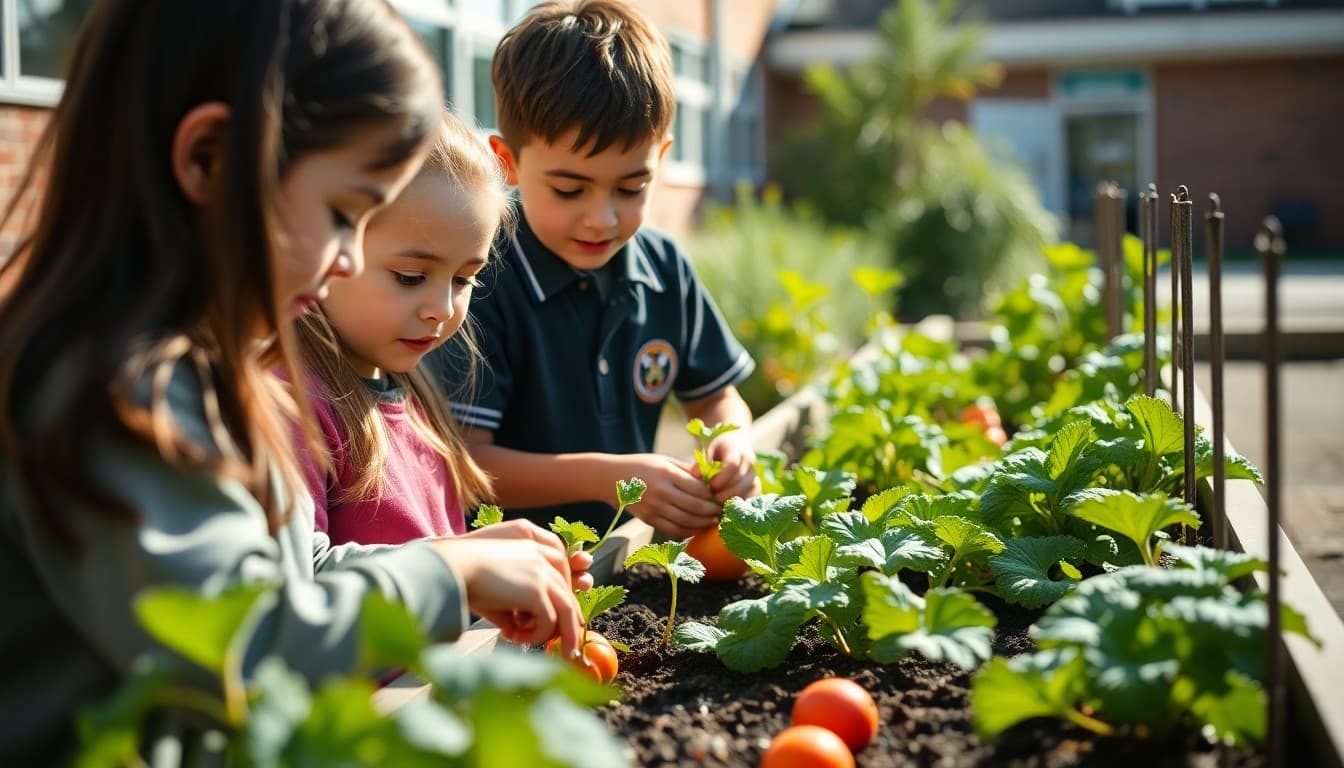
Teacher Newsletter for School Garden Harvest Day at Your School
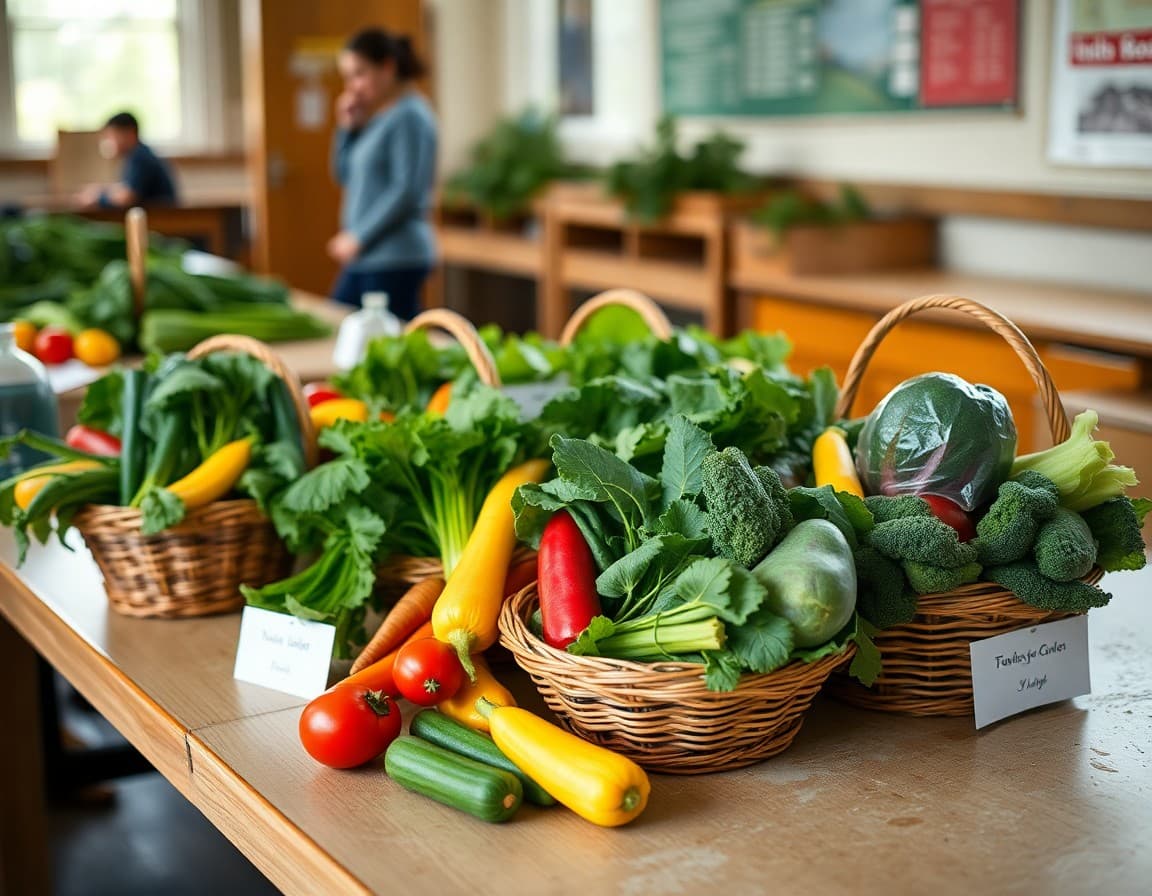
A school garden harvest is a payoff moment. Students who spent weeks watering, weeding, and checking on their plants get to see what they built. A newsletter that captures that moment well brings families into it and makes the academic value of the project visible.
Tell the Story of What Grew
Start by walking families through what the class planted, how the garden developed over time, and what is ready to harvest. A newsletter that describes the journey from seed to vegetable gives families context for the celebration. If you kept a photo log of the garden's progress, include one or two images. They will connect better than any paragraph of description.
Explain What Harvest Day Will Look Like
Will students be working in the garden during a class period? Will there be a harvest tasting? Will produce be cooked into something? Give families a clear picture of the day so students can come home and have a specific story to tell rather than "we did stuff in the garden." If families are invited to attend, include the time and instructions for joining.
Connect the Experience to Learning Goals
A school garden is not just an extracurricular activity. It teaches plant biology, soil science, measurement, data collection, patience, and responsibility. Your newsletter can name two or three of those connections explicitly so families understand that the garden time is curriculum time, not free play.
Address What Happens to the Produce
Will students take vegetables home? Will the harvest be used in a cooking lesson? Will excess produce be donated to a food pantry? Families appreciate knowing what becomes of the food their child grew. If students are bringing produce home, give families a heads-up so they are ready to receive it with the appropriate enthusiasm.
Note Any Food Considerations
If harvest day includes a tasting, list the specific items and invite families with allergy concerns to reach out. This is a simple, standard step for any in-school food event that protects students and keeps the celebration stress-free.
Celebrate the Students' Effort
A school garden requires sustained effort. Students who stuck with it through challenging weather, failed seedlings, and slow growth deserve recognition. Your harvest day newsletter is an opportunity to acknowledge that growth and responsibility are the real harvest, regardless of how many tomatoes came in. Using Daystage, you can send a warm, photo-rich celebration message that families will genuinely look forward to opening.
Get one newsletter idea every week.
Free. For teachers. No spam.
Frequently asked questions
What should a school garden harvest newsletter include?
Cover what your class planted and grew, when the harvest will take place, whether families are invited to participate, what will happen with the harvested produce, and any food tasting or cooking activity planned. Families love knowing the full story of what their child has been tending.
How do I explain the garden learning to families?
Connect the garden project to specific learning goals: science concepts like plant life cycles and soil health, math through measurement and data tracking, and social-emotional learning through patience and collaborative care. One sentence per subject area is enough to show families the educational depth behind the harvest.
Can families take home produce from the harvest?
If your school allows it, mention this in the newsletter. Students who bring home vegetables they grew themselves create powerful conversations at home about food and growing. If there is a limit per student or a first-come-first-served system, explain it so the process feels fair.
How do I handle food allergies during a harvest tasting?
List the specific produce that will be tasted and ask families to notify you in advance if their child has an allergy or dietary restriction. This is standard practice for any in-school food event. Keep the list specific and the process transparent.
What tool helps teachers send newsletters efficiently?
Daystage makes garden harvest newsletters visually compelling. You can embed a photo of the garden, detail the harvest day activities, and share the invite in one message. Families receive it on any device and can RSVP or respond directly through the newsletter.

Adi Ackerman
Author
Adi Ackerman is a former classroom teacher and curriculum writer with 8 years in K-8 schools. She writes about school communication, parent engagement, and what actually works in real classrooms.
More for Classroom Teachers
Ready to send your first newsletter?
3 newsletters free. No credit card. First one ready in under 5 minutes.
Get started free