
Teacher Newsletter for Sustainability Project: Engage Families in Green Learning
A sustainability project gives students agency over a real-world problem. Whether they are auditing school waste, proposing energy-saving solutions, or designing a zero-waste cafeteria plan, students are doing genuine problem-solving with measurable impact. Your newsletter is what helps families see that and support it beyond the classroom.
Name the Problem Students Are Solving
Open the newsletter by describing the specific challenge students investigated. Not "we are learning about sustainability" but "our class spent two weeks measuring how much waste the cafeteria produces each day and designing a reduction plan." The specificity makes the project real. Families who understand the concrete question their child is trying to answer engage with the work as genuinely meaningful rather than as a school assignment with an environmental theme.
Describe the Research and Investigation Process
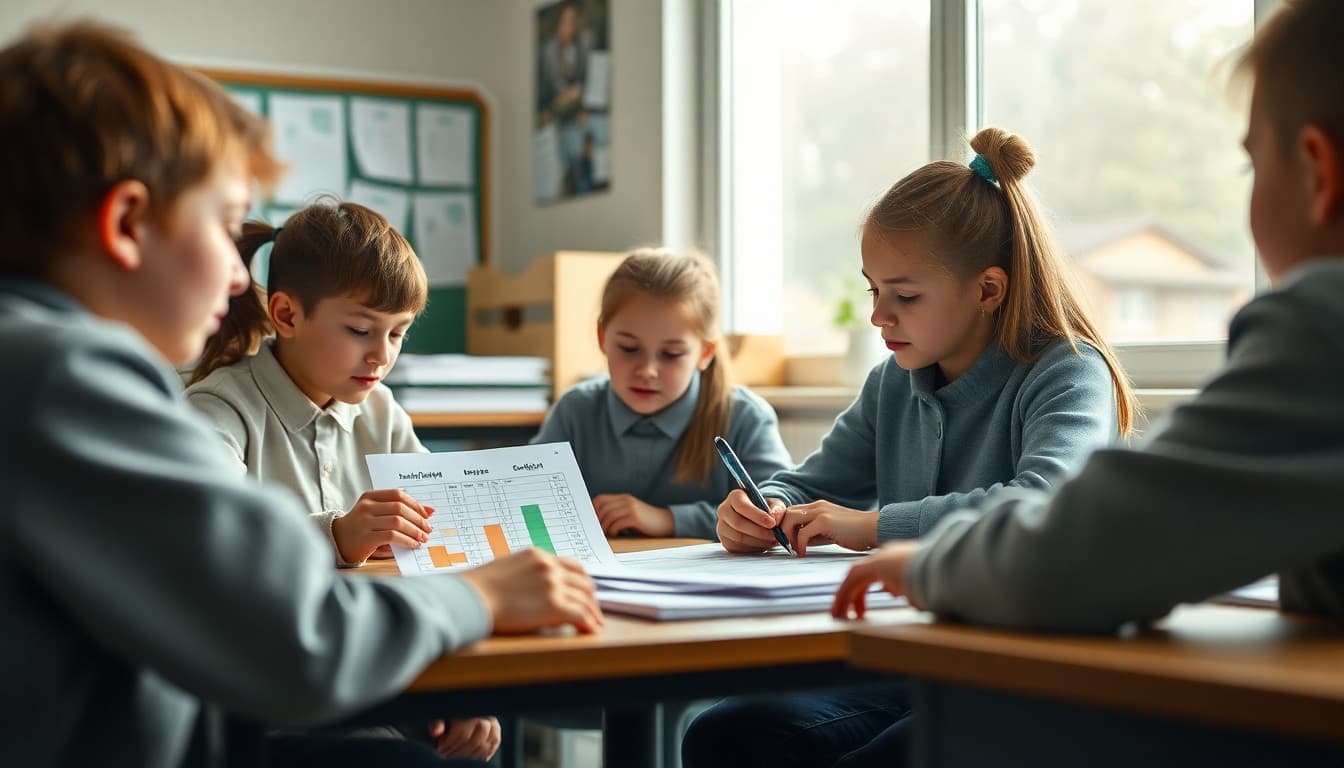
What data did students collect? What sources did they use? What methods did they apply to analyze what they found? A brief description of the research process demonstrates that this is a rigorous academic project. Even a few sentences about the methodology signal that students are practicing real scientific and analytical skills.
Share the Proposed Solutions
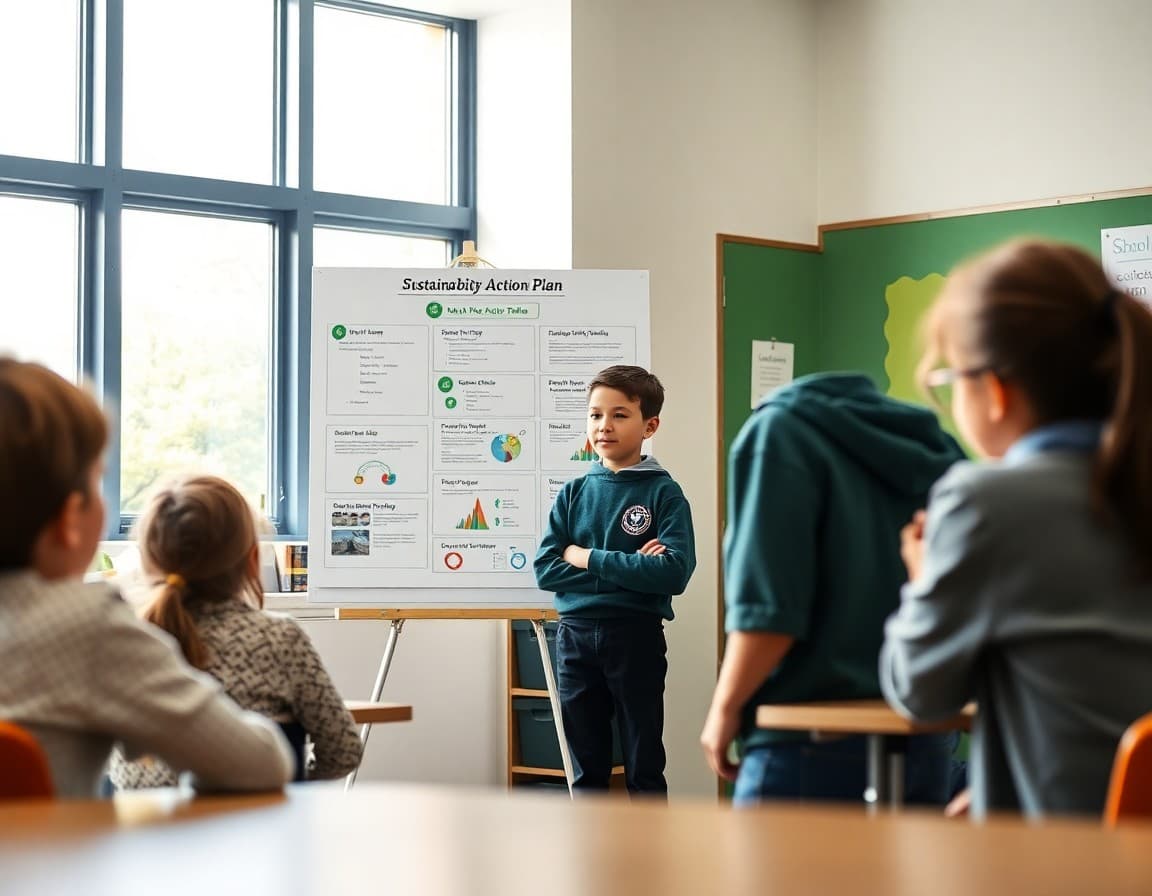
If students designed action plans, proposed interventions, or built prototypes, describe those. This is often the most compelling part of the project for families because it shows student initiative. Students who propose a composting program or design a reusable bag system for the classroom library are doing more than reporting findings. They are acting as problem-solvers.
Connect to Home Life
Suggest one or two home applications that mirror the classroom work. A home waste audit. Comparing the environmental footprint of two products at the grocery store. Tracking how many times the family reuses a container before discarding it. These activities bring the project home without requiring significant family effort.
Name the Academic Standards Addressed
Data collection is math. Research and source evaluation is language arts. Environmental systems are science. Problem-solving and proposal writing are communication skills. One sentence noting which standards the project addresses prevents families from viewing the project as soft or supplementary.
Report the Outcomes
After the project concludes, send a wrap-up newsletter that names what students discovered, what actions they proposed or took, and what measurable impact was achieved if any. Using Daystage, that final message can include photos of the project work and feel like a genuine celebration of student agency rather than a routine end-of-unit update.
Get one newsletter idea every week.
Free. For teachers. No spam.
Frequently asked questions
What makes a sustainability project newsletter effective?
Name the specific project and its scope: what students investigated, what data they collected, what solutions they proposed, and what action they plan to take. Families who understand the specific work engage with it differently than families who receive a general note about environmental learning.
How do I connect the sustainability project to academic standards?
Science, math, and language arts all connect naturally. Data collection and analysis is math. Researching environmental systems is science. Writing a proposal or presenting findings is language arts. Naming one or two standard connections in the newsletter shows families that the project is curriculum work, not an extracurricular activity.
Can families participate in the sustainability project at home?
Yes. Suggest specific at-home actions that connect to what students are studying: conducting a home energy audit, tracking weekly trash output, or comparing product packaging. Students who extend the project into their home environment bring richer observations back to class.
How do I handle families who are skeptical about climate or environmental topics?
Focus the newsletter on the skills and actions students are developing rather than the political framing of the issue. Measuring energy use is data literacy. Proposing waste reduction solutions is problem-solving. These are skills with value regardless of one's position on broader environmental policy.
What tool helps teachers send newsletters efficiently?
Daystage makes sustainability project newsletters easy to produce with photos, data visuals, and action steps all in one message. You can send the launch newsletter, progress updates, and the final results presentation in a consistent format throughout the project.

Adi Ackerman
Author
Adi Ackerman is a former classroom teacher and curriculum writer with 8 years in K-8 schools. She writes about school communication, parent engagement, and what actually works in real classrooms.
More for Classroom Teachers
Ready to send your first newsletter?
3 newsletters free. No credit card. First one ready in under 5 minutes.
Get started free