

Teacher Newsletter for Environmental Club: Recruit Members and Show Impact
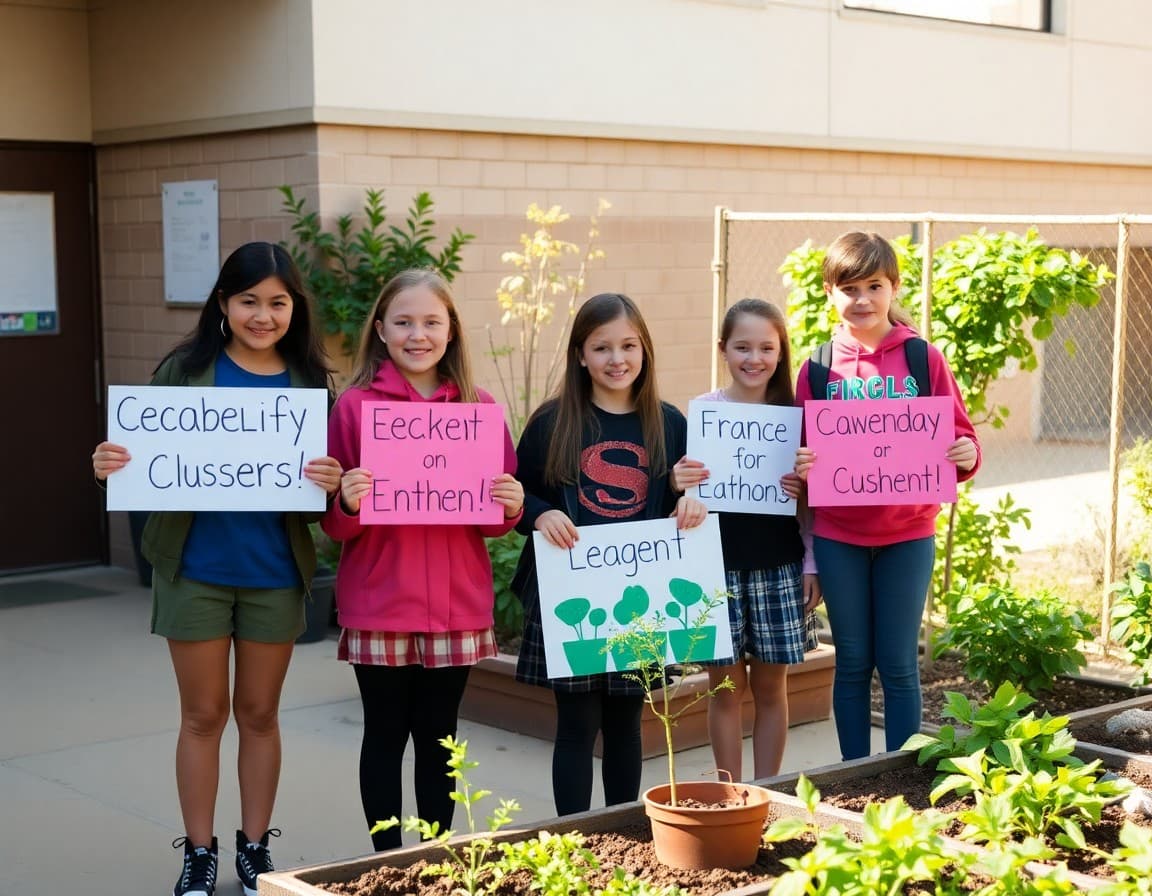
An environmental club gives students a concrete way to act on their values. Your newsletter is what draws new members into the club, keeps current members' families engaged, and demonstrates to the school community that the work students are doing is meaningful and real.
Describe the Club's Mission Clearly
Not every family knows what an environmental club does at your school specifically. Your newsletter should describe the mission in one clear sentence: we work on school-wide recycling, maintain the school garden, and educate our classmates about reducing waste. Specificity tells prospective members what they would actually be doing, which is more motivating than a broad statement about protecting the environment.
Highlight Current or Upcoming Projects
Name one or two projects the club is working on right now. A pollinator garden. A schoolwide recycling audit. A campaign to reduce single-use plastic in the cafeteria. Concrete projects make the club feel real and purposeful rather than aspirational. Students who read the newsletter and see something that interests them are more likely to join.
Include the Membership and Meeting Details
Who can join? When does the club meet? Is there a maximum number of members? Is there a simple sign-up? Cover all of this so families who are interested can take action immediately. A link to a sign-up form in the newsletter is more effective than asking families to send a reply email.
Show the Impact of Past Work
Numbers communicate impact. If your club has recycled 200 pounds of materials, planted 30 seedlings, or reduced cafeteria waste by 15 percent, say so. If you are just starting, describe the first project goal and how students will measure success. Families who see real outcomes are more supportive of their child's time in the club.
Connect Families to the Mission
Your newsletter can suggest small actions families can take at home that align with the club's work: starting a compost bin, switching to reusable lunch containers, or planting a pollinator-friendly plant in the yard. When home and school align around the same values, students experience consistency that deepens their commitment.
Keep Updates Coming Throughout the Year
A club that sends regular updates stays top of mind for families and students who might want to join mid-year. Using Daystage, you can send a brief project update every few weeks without it feeling like a major production. Short, photo-backed updates are often more effective than long end-of-semester reports.
Get one newsletter idea every week.
Free. For teachers. No spam.
Frequently asked questions
What should an environmental club recruitment newsletter include?
Describe what the club does, when it meets, who can join, and what students will work on. Name one or two current or upcoming projects so prospective members have something specific to connect to. Include a clear sign-up method with a deadline.
How do I show the impact of the environmental club in the newsletter?
Use numbers when you have them: pounds of materials recycled, trees planted, square feet of garden maintained. If you do not yet have data, describe what the club accomplished last semester in concrete terms. Before-and-after photos of projects also communicate impact more vividly than descriptions alone.
Should the newsletter address climate change directly?
You can acknowledge environmental issues in age-appropriate language without the newsletter becoming a political document. Focus on actions students can take and why those actions matter. A newsletter that centers on what your students are doing stays grounded in the practical and the positive.
How do I involve families in the environmental club through the newsletter?
Mention ways families can support club projects from home: reducing single-use plastic, composting food scraps, supporting the school garden by donating seeds or tools. A brief call to action that connects families to the club's mission extends the club's reach beyond the school day.
What tool helps teachers send newsletters efficiently?
Daystage makes environmental club newsletters easy to produce. You can include project photos, a sign-up block, and meeting schedule details in one message sent to your full parent list without any formatting headaches.

Adi Ackerman
Author
Adi Ackerman is a former classroom teacher and curriculum writer with 8 years in K-8 schools. She writes about school communication, parent engagement, and what actually works in real classrooms.
More for Classroom Teachers
Teacher Newsletter for Sustainability Project: Engage Families in Green Learning
Classroom Teachers · 6 min read
Teacher Newsletter for Zero Waste Unit: Bring Families Into the Mission
Classroom Teachers · 6 min read
Teacher Newsletter for Classroom Composting Program Launch
Classroom Teachers · 6 min read
Ready to send your first newsletter?
3 newsletters free. No credit card. First one ready in under 5 minutes.
Get started free