
How to Explain Passion Projects to Families in Your Teacher Newsletter
Passion projects are one of the most compelling classroom programs to explain to families because they represent something school does not usually offer: sustained time for a student to pursue a topic they actually chose. The concept is straightforward but the execution is demanding. Students must identify a genuine question, plan an investigation, manage their time, revise when things do not work, and present what they found. A newsletter that explains how the program works gives families a way to support the project and understand why their student is doing independent research on aquatic robotics or the history of jazz.
Explain what passion projects are
"Once a week for the next eight weeks, students will spend fifty minutes working on their own self-directed research and creation project. This time is sometimes called Genius Hour. Students chose their own topic based on something they are genuinely curious about. My role is to help them form a guiding question, stay on track, and present their findings at the end of the unit. The topic comes from them. The structure, rigor, and expectations come from me."
Share the range of topics students are working on
"This year's passion project topics include: how electric vehicles work and whether they are actually more sustainable, the history and science of skateboard design, how social media algorithms decide what you see, the dietary needs of different dog breeds, how bridges are engineered to withstand wind, the history of hip-hop as a political movement, and twelve others. The range is one of the best arguments for student choice: the depth and effort students bring to a topic they selected is consistently higher than what the same students bring to an assigned topic."
Explain the structure behind the freedom
"Each passion project follows a four-phase structure: question formation, research and investigation, creation of a product or presentation, and reflection. Students submit a brief progress update at the end of each session. I check in individually with every student twice during the project. If a student is stuck, unfocused, or heading in an unproductive direction, I redirect before it compounds. The freedom is in topic, not in accountability."
Tell families how to support the project at home
"Ask your student what their passion project question is. Ask them what they have found so far. Ask them what they are creating. The best support you can provide is genuine curiosity about the topic. If your student is researching bridge engineering and you know a civil engineer, offer to arrange a conversation. If they are studying dog nutrition and you have a vet you trust, offer to send a question their way. Real-world connections to the topic make the research feel like actual inquiry rather than a school exercise."
Explain the presentation at the end of the project
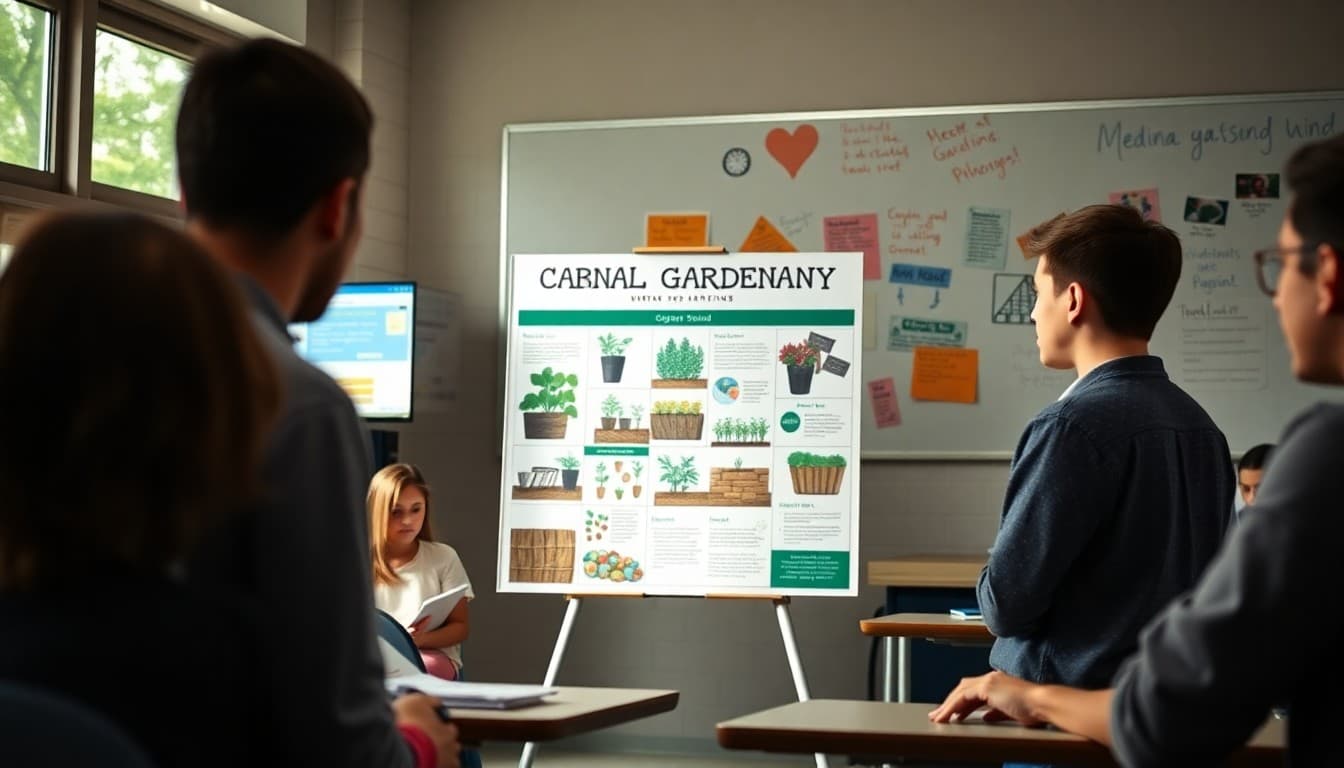
"At the end of the unit, each student will present their project to the class and to invited guests at our Passion Project Showcase. The presentation format is up to the student: a poster, a slide deck, a working prototype, a short documentary, a live demonstration, or a combination. Families are invited to the showcase. Details will be in next month's newsletter."
Describe what success looks like in a passion project
"A student who finishes their passion project is not one who found all the answers to their question. They are one who pursued the question seriously, encountered real complexity, adjusted when their first approach did not work, and came out able to explain what they learned and what they still do not know. The ability to say 'I still do not fully understand X and here is why it is hard' is one of the most sophisticated academic outcomes this project produces."
Sharing passion project topic lists and showcase invitations in a Daystage newsletter builds family investment in the project and often produces surprising conversations at home when families discover what their student chose to research.
Get one newsletter idea every week.
Free. For teachers. No spam.
Frequently asked questions
What is a passion project in a school context?
A passion project (sometimes called Genius Hour or 20% time) is a structured period of time during school when students choose their own topic to research, create, or investigate based on genuine interest. The teacher provides structure, checkpoints, and guidance, but the topic and direction come from the student. The goal is to develop self-directed learning skills alongside deep engagement with a student-chosen subject.
Does a passion project count as academic work or free time?
Academic work. Passion projects have clear learning goals around research skills, planning, presenting, and writing. The freedom is in topic choice, not in rigor. A student who chooses a passion project on video game design is expected to research, create, and present at the same level of academic effort as a student who chose ocean ecosystems.
What if a student cannot decide on a topic?
Choosing a topic is itself a skill and often a struggle for students who have spent their whole school career being assigned topics. Teachers guide students through topic selection with questions: What do you spend time thinking about outside of school? What is something you have always wanted to understand better? What problem would you want to solve? The first round of topic brainstorming is scaffolded by the teacher.
How are passion projects assessed?
Passion projects are typically assessed on the process as well as the product: quality of research, depth of investigation, evidence of revision and iteration, quality of the final presentation, and self-reflection on what the student learned and what they would do differently. The topic is the student's. The standards are the teacher's.
Can Daystage help teachers share passion project progress with families in newsletters?
Yes. A Daystage newsletter with student project topics, progress updates, and showcase invitations gives families a way to engage with the project at home and builds anticipation for the final presentation.

Adi Ackerman
Author
Adi Ackerman is a former classroom teacher and curriculum writer with 8 years in K-8 schools. She writes about school communication, parent engagement, and what actually works in real classrooms.
More for Classroom Teachers
How to Share Community Research Projects With Families in Your Teacher Newsletter
Classroom Teachers · 6 min read
How to Invite Families to an Exhibition Night in Your Teacher Newsletter
Classroom Teachers · 6 min read
How to Explain Student Choice Menus to Families in Your Teacher Newsletter
Classroom Teachers · 6 min read
Ready to send your first newsletter?
3 newsletters free. No credit card. First one ready in under 5 minutes.
Get started free