
How to Share Community Research Projects With Families in Your Teacher Newsletter
Community research projects are among the most ambitious classroom assignments because they move learning beyond the school building and into the real world. Students who interview a local business owner about economic changes, survey neighbors about park use, or document the history of a neighborhood building are producing original research that no textbook contains. Families who understand the project can support it meaningfully and in some cases participate directly as research subjects.
Explain what community research is
"Community research is an assignment where students investigate a real question about their local community using primary sources: interviews with people who have relevant experience or knowledge, direct observations of places or events, surveys of community members, or documentation of physical sites. The research is original, meaning it does not exist before your student collects it. The community is not just the context for the learning. It is the subject."
Describe the current community research topic and questions
"Our current community research project asks students to investigate how the neighborhood around our school has changed over the past twenty years. Student research questions include: How has the demographic makeup of the area changed? What businesses have opened and closed? What do longtime residents think has improved or gotten worse? What do newer residents value about the neighborhood? Each student is responsible for at least two interviews and two observations or documentation visits."
Tell families how they can participate
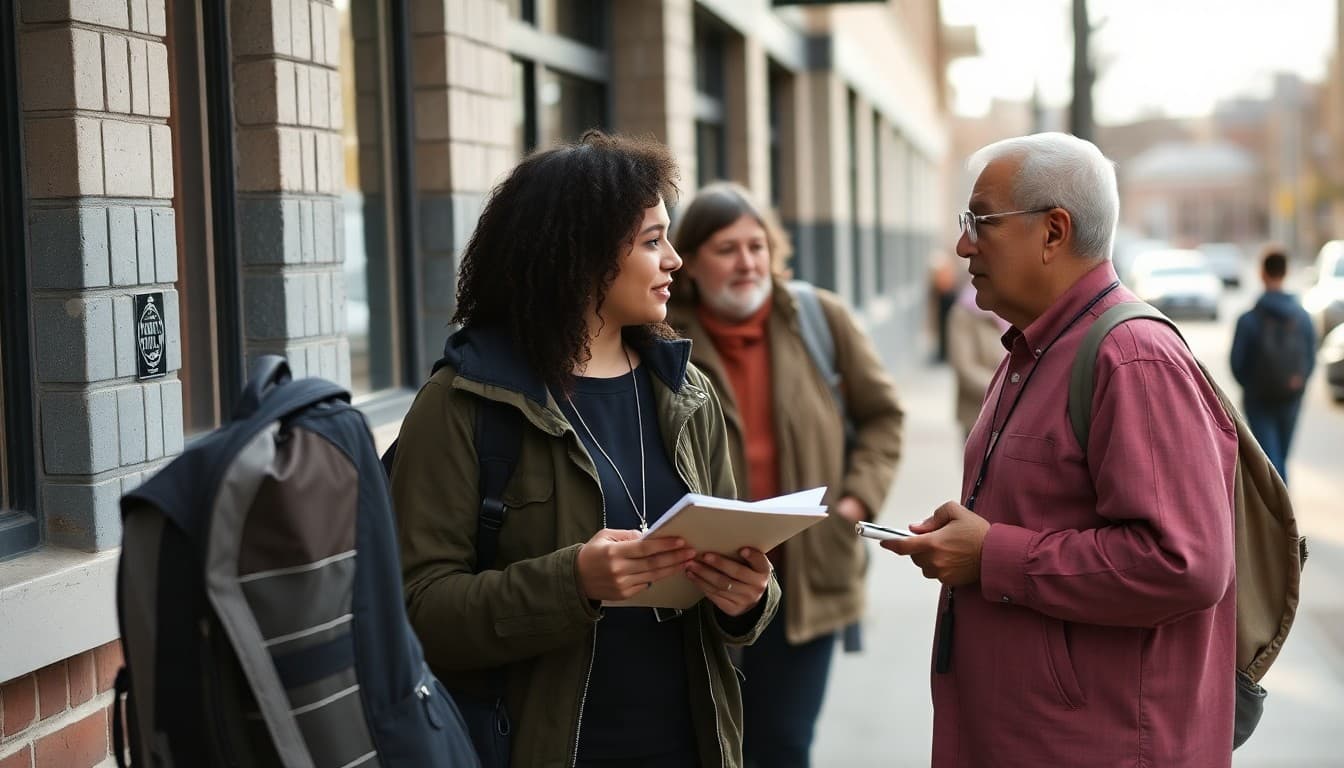
"If you or a family member have lived in this neighborhood for more than ten years, you are a primary source. Your student may ask to interview you for their project. If they do, take it seriously. The interview questions they ask were developed in class and reviewed by me. A family member who gives a genuine and detailed interview contributes primary source data that will shape the student's analysis and ultimately their final presentation."
Explain the safety and logistics of community research
"All community observation visits are conducted in groups of two or three and must take place in publicly accessible spaces. Students are not required to enter private property or visit any location they do not feel safe in. Any interview conducted outside of school time must include a parent or guardian present. If your student schedules an interview, please accompany them and feel free to listen, though the interview itself is conducted by the student."
Describe how research findings will be shared
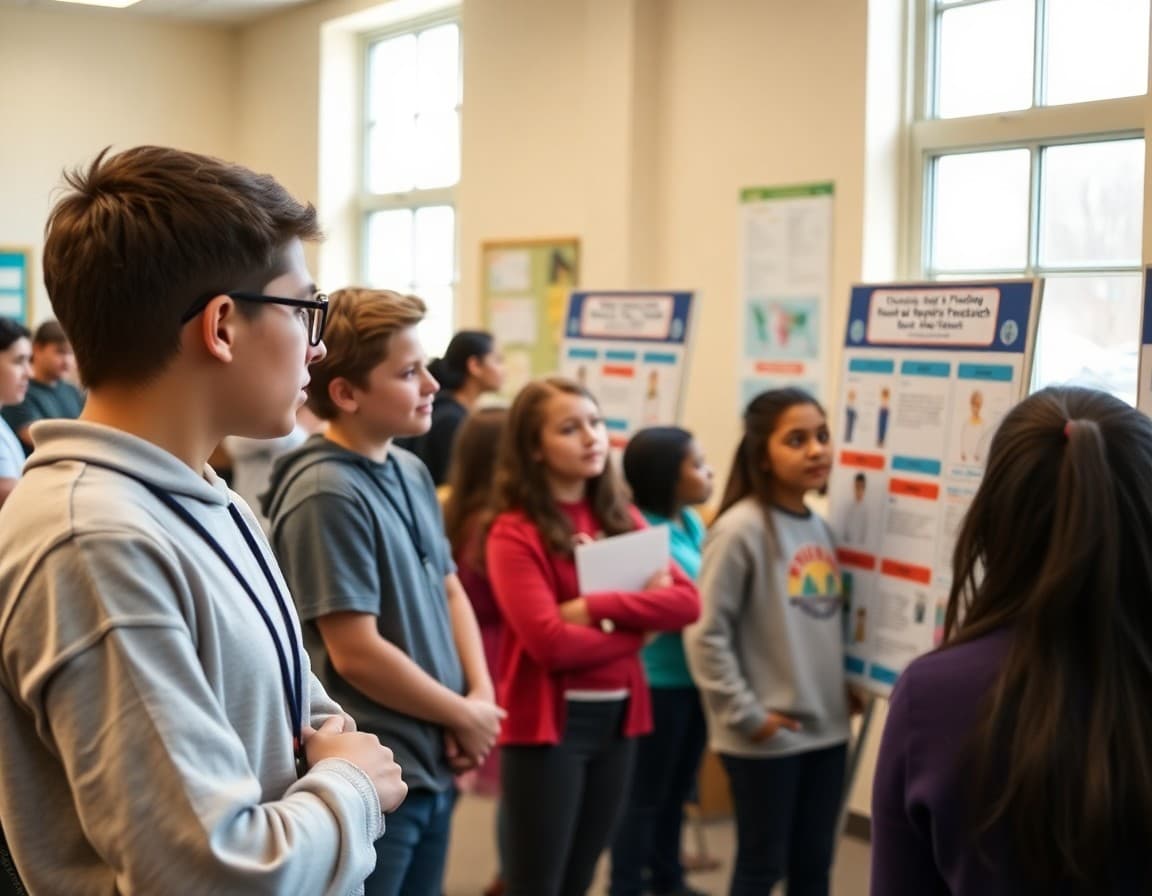
"Students will present their findings at our community research showcase at the end of the unit. The audience will include classmates, families, and any community members who participated as interview subjects and want to see what students found. Each student will present their research question, methodology, key findings, and one recommendation based on what they learned. Details on the showcase date and format will be in next month's newsletter."
Note what the research process teaches beyond the topic
"Students who complete community research learn skills that go beyond this particular topic: how to form a specific research question, how to ask interview questions that produce useful answers, how to take field notes, and how to analyze patterns across multiple sources. These are the skills journalists, social scientists, urban planners, and documentarians use. Learning them in the context of a neighborhood students actually know makes the skills stick."
Sharing community research findings in a Daystage newsletter gives families a window into learning that happens outside the classroom and shows the community what students found when they started asking real questions.
Get one newsletter idea every week.
Free. For teachers. No spam.
Frequently asked questions
What is a community research project?
A community research project is an inquiry-based assignment where students investigate a real question or issue in their local community through primary research: interviews, observations, surveys, and direct documentation. Unlike a library research project, community research produces original data that does not exist before the student collects it.
Why is community the subject of the research rather than a textbook topic?
Community research develops the same skills as academic research , forming questions, collecting data, analyzing patterns, drawing conclusions , but the subject is immediately relevant and personally meaningful to students. Students who research their own community produce findings that matter to them and to the people they interviewed, which motivates a depth of effort that assigned topics often do not.
What role can families play in a community research project?
Families can be research subjects themselves. A parent or grandparent who has lived in the community for decades has primary source knowledge no library can provide. Families can also help with logistics: driving students to an interview site, proofreading interview questions, or reviewing draft findings before presentation.
How is a community research project assessed?
Assessment criteria typically include: quality of research questions, diversity and depth of sources interviewed or observed, accuracy and completeness of data collected, quality of analysis and conclusions, and quality of the final presentation or report. The assessment process mirrors academic research standards at an age-appropriate level.
Can Daystage help teachers share community research findings with families in newsletters?
Yes. A Daystage newsletter with student research findings, quotes from community members interviewed, or a summary of what the class discovered gives families a meaningful picture of the learning that happened beyond the classroom walls.

Adi Ackerman
Author
Adi Ackerman is a former classroom teacher and curriculum writer with 8 years in K-8 schools. She writes about school communication, parent engagement, and what actually works in real classrooms.
More for Classroom Teachers
How to Explain Photo Essay Projects to Families in Your Teacher Newsletter
Classroom Teachers · 6 min read
How to Explain Passion Projects to Families in Your Teacher Newsletter
Classroom Teachers · 6 min read
How to Announce a Project Based Learning Launch in Your Teacher Newsletter
Classroom Teachers · 6 min read
Ready to send your first newsletter?
3 newsletters free. No credit card. First one ready in under 5 minutes.
Get started free