

How to Explain Outline Writing to Families in Your Teacher Newsletter
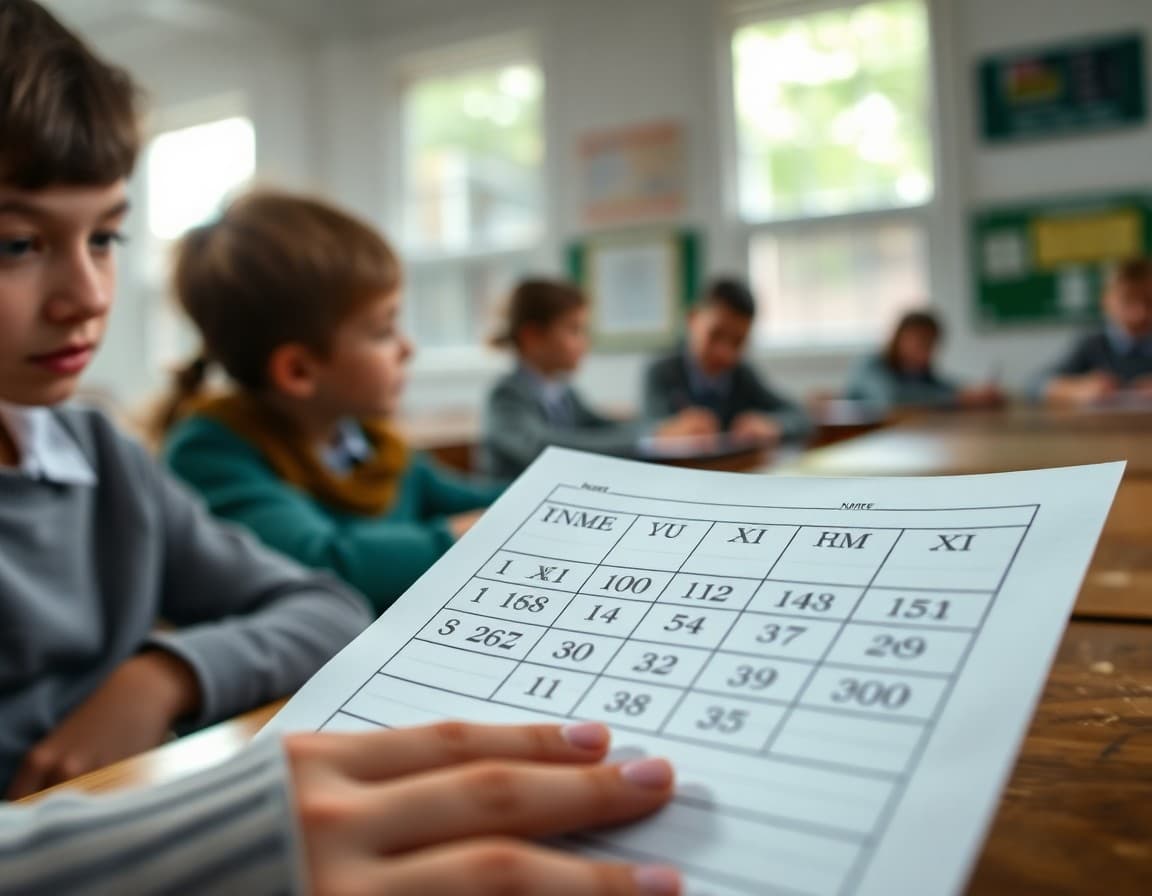
Outlining is one of the oldest and most consistently effective pre-writing strategies in academic writing. It is also one of the strategies students most consistently skip when writing at home because no one is there to require it. A newsletter that explains your outlining approach, gives families the format you teach, and describes how to use it at home makes outlining a shared expectation between school and home rather than a classroom-only requirement.
Explain the specific outline format you teach
"In our class we use a modified three-level outline for essay planning. The first level is the main argument or claim. The second level is the three to five supporting points. The third level is the specific evidence or examples for each point. Students are not required to use Roman numerals at this stage, though they are welcome to. The content matters more than the format." Specific to your classroom means families are reinforcing the same approach rather than introducing a different one at home.
Describe when in the writing process students outline
"We outline before any essay longer than one paragraph. Students spend the first fifteen to twenty minutes of a writing session outlining on a separate sheet of paper before typing or writing the essay itself. Students who skip the outline almost always produce shorter, less organized work than students who use one. I have shared the comparison with the class and they have seen it in their own work over time."
Tell families how to help with outlining without writing the essay
"If your student is stuck on a writing assignment at home, ask them to tell you what they are going to say before they write it. Listen and ask: 'What is your main point? What are three reasons or examples? What is the most important thing someone should know after reading your essay?' Write those answers down as your student speaks. That is an outline. The writing comes next, not simultaneously."
Address the common mistake of full-sentence outlines
"One of the most common outline mistakes is writing complete sentences rather than key phrases. An outline entry should be brief: 'three reasons industrialization spread,' not 'there were three main reasons why industrialization spread throughout Europe in the nineteenth century.' The short phrase triggers the thinking in a way that the full sentence does not. Families who see their student writing sentences in an outline should encourage them to reduce each entry to a three to five word phrase."
Connect outlining to longer-term writing success
"Students who learn to outline in fifth grade write stronger research papers in eighth grade and stronger college essays in twelfth grade. Outlining is a foundation skill. The habit is more valuable than any single essay. A family that requires outlining consistently at home is building that habit in a context that transfers."
Link to the outline template
"A blank outline template is available at the class website. You can also print a simple version by drawing two vertical lines on a page to create three columns: main claim, supporting point, evidence. That is the same structure as a formal outline in a format any student can use without a template."
Daystage newsletters with linked writing templates are among the most practically useful things a teacher can share with families because the resource is immediately available and applicable to that night's homework.
Get one newsletter idea every week.
Free. For teachers. No spam.
Frequently asked questions
When do students typically learn formal outline writing?
Most students encounter informal outlines in grades 3 to 4 and formal Roman numeral outlines in grades 5 to 7. The specific format varies by district and teacher. The newsletter should clarify which format your class uses so families can reinforce the same structure at home.
Should families require outlining for every writing assignment?
Not every assignment warrants a full formal outline. A paragraph response does not need an outline. An essay that requires three to five paragraphs of organized argument or explanation benefits from one. Help families develop judgment about when an outline is worth the time by noting the criteria in the newsletter.
What is the most common outlining mistake students make?
Writing sentences instead of points. An outline entry should be a brief phrase or key term, not a complete sentence. Students who write full sentences in an outline often copy those sentences directly into the essay without developing them. The outline is a planning tool, not a rough draft.
How can families help students outline without writing the essay for them?
Ask the student to tell you the main points first, then write them down together. 'What are you going to say? What are the three reasons you are giving? What examples are you using?' Transcribing the student's spoken points into outline form is legitimate scaffolding.
Can Daystage help teachers share outline templates and writing support resources?
Yes. A Daystage newsletter can include a linked outline template, specific instructions for families on how to scaffold outlining at home, and examples of strong student outlines.

Adi Ackerman
Author
Adi Ackerman is a former classroom teacher and curriculum writer with 8 years in K-8 schools. She writes about school communication, parent engagement, and what actually works in real classrooms.
More for Classroom Teachers
Explaining Graphic Organizers to Families in Your Teacher Newsletter
Classroom Teachers · 6 min read
How to Share Sentence Starters With Families in Your Teacher Newsletter
Classroom Teachers · 6 min read
How to Explain Concept Mapping to Families in Your Teacher Newsletter
Classroom Teachers · 6 min read
Ready to send your first newsletter?
3 newsletters free. No credit card. First one ready in under 5 minutes.
Get started free