
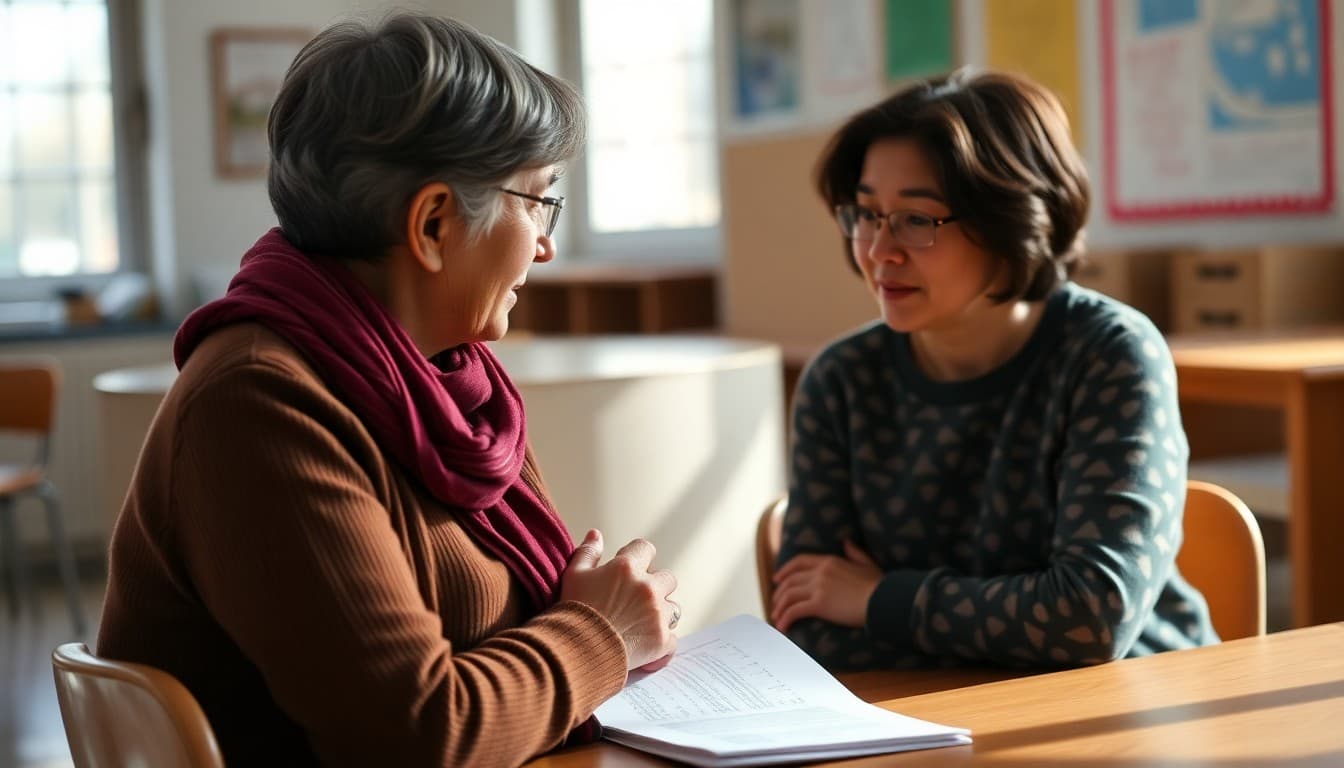
Using Your Teacher Newsletter to Launch a Classroom Oral History Project
Why Oral History Projects Need Strong Family Communication
An oral history project asks students to go home and interview a family member or community elder. That request requires more preparation than most classroom assignments. Families need to know the project is coming, understand what their role is, and feel comfortable with what happens to the interview afterward. Your newsletter handles all of that before the assignment sheet ever comes home.
Introduce the Project With Purpose
Your first oral history newsletter should explain why you are doing this project. What skills will students develop? What will they learn that a textbook cannot teach? "Students will practice interview skills, develop their ability to listen and document, and connect local and family history to what we are studying in class." Families who understand the purpose support the project more actively than families who just see it as homework.
Prepare Families for the Interview Request
When a student comes home asking to interview Grandma for a school project, Grandma needs to know it is coming. Your newsletter can warm families up to the idea before the student arrives with a notebook and a list of questions. Let families know what kinds of questions students will ask, approximately how long the interview will take, and that the interviewee can choose which parts of their story to share.
Address Privacy Explicitly
Families care about what happens to personal stories shared in a school project. Your newsletter should be direct: "Interview transcripts will be shared with me and used in class discussions. They will not be posted publicly without written permission." If any part of the project will be visible beyond the classroom, say so and explain how consent will be gathered. Uncertainty about privacy is the most common source of hesitation.
Include Sample Interview Questions
Put two or three starter questions in the newsletter so families know what direction the conversation will go. "What was your life like when you were the same age as my student? What is one event in history that you remember experiencing? What do you want people in the future to know about your community?" These samples tell families the project is thoughtful, not random, and give interviewees a chance to begin thinking before the student arrives.
Update Families as Students Complete Interviews
Once interviews are underway, share a brief update in the newsletter. "Most students have completed their interviews. I have been reading transcripts this week and the stories are remarkable." That update builds family curiosity and gives students something to follow up on at home. It also signals that you are actively engaged with the work, not just assigning it and waiting.
Share the Final Product Meaningfully
When the project wraps up, use your newsletter to share what was produced: excerpts, themes, patterns across stories, or a summary of what students learned. If students created a class oral history collection, describe how families can access it. Closing the project loop in the newsletter honors the time families and community members gave to make it possible.
Get one newsletter idea every week.
Free. For teachers. No spam.
Frequently asked questions
What is a classroom oral history project?
An oral history project asks students to interview a family member, community elder, or neighbor about their lived experience and document what they learn. Students practice interview skills, listening, research, and writing while connecting to real human stories outside the classroom.
How do I prepare families for their child's interview request?
Your newsletter should explain the project's purpose, provide suggested interview questions, and note that the interviewee can be any trusted adult, not necessarily a family member. Some students do not have accessible elders. Flexibility removes that pressure.
What privacy concerns should I address in the newsletter?
Tell families clearly what the final product will be (shared in class? posted publicly? bound in a book?), who will see it, and how family privacy is protected. If you are not posting names publicly, say so. If you are, get consent explicitly before the project begins.
How do I handle students from families who have experienced trauma in their history?
Include a line in your newsletter noting that students have flexibility in choosing their interview subject and topic. No one is required to surface painful family history. Students can interview a neighbor, a community leader, or a family friend if a family interview is not appropriate.
How does Daystage help teachers communicate project-based learning updates to families?
Daystage makes it easy to include interview guides, project timelines, and student work samples directly in your newsletter. Families get all the context they need to support the project at home without needing to track down separate handouts.

Adi Ackerman
Author
Adi Ackerman is a former classroom teacher and curriculum writer with 8 years in K-8 schools. She writes about school communication, parent engagement, and what actually works in real classrooms.
More for Classroom Teachers
Communicating Your Heritage Poster Project to Families via Teacher Newsletter
Classroom Teachers · 6 min read
Teacher Newsletter for Biography Presentation Projects and Events
Classroom Teachers · 6 min read
Teacher Newsletter for Cultural Competency Units in Your Classroom
Classroom Teachers · 6 min read
Ready to send your first newsletter?
3 newsletters free. No credit card. First one ready in under 5 minutes.
Get started free