
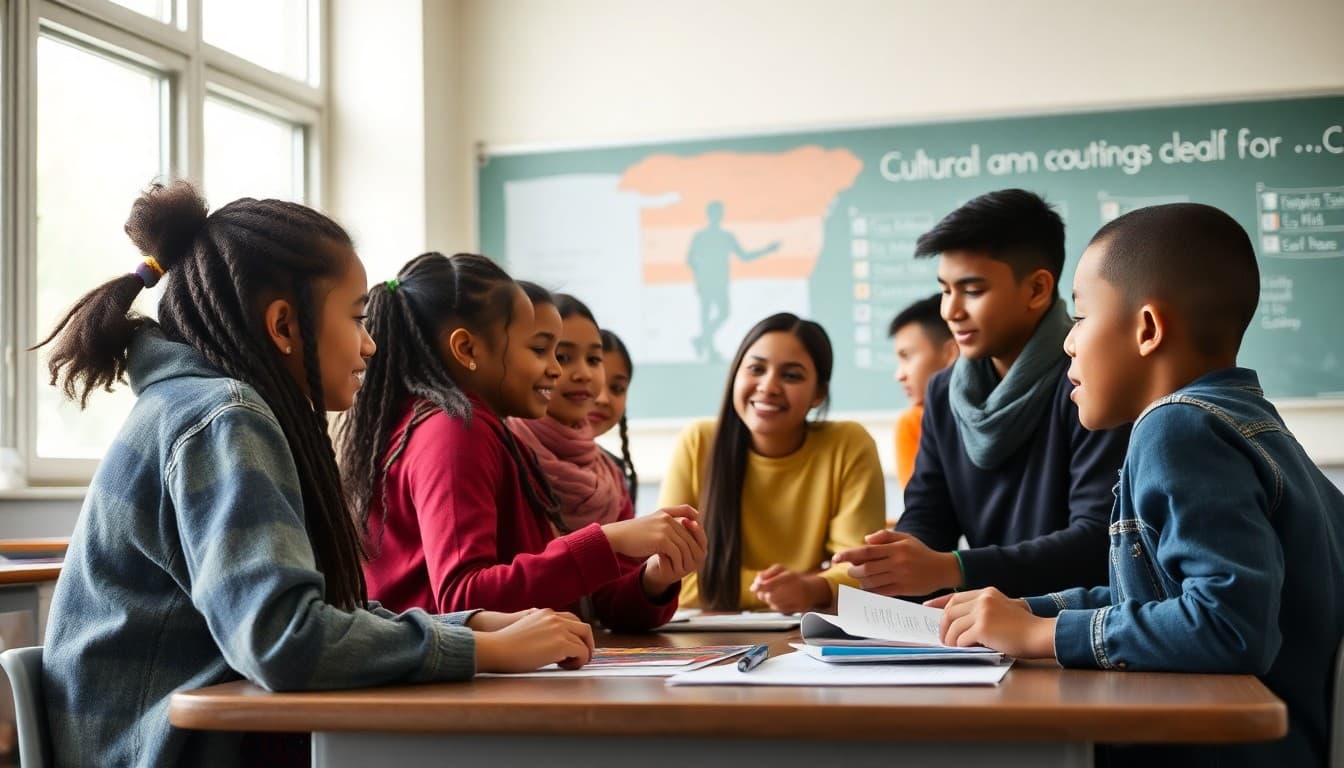
Teacher Newsletter for Cultural Competency Units in Your Classroom
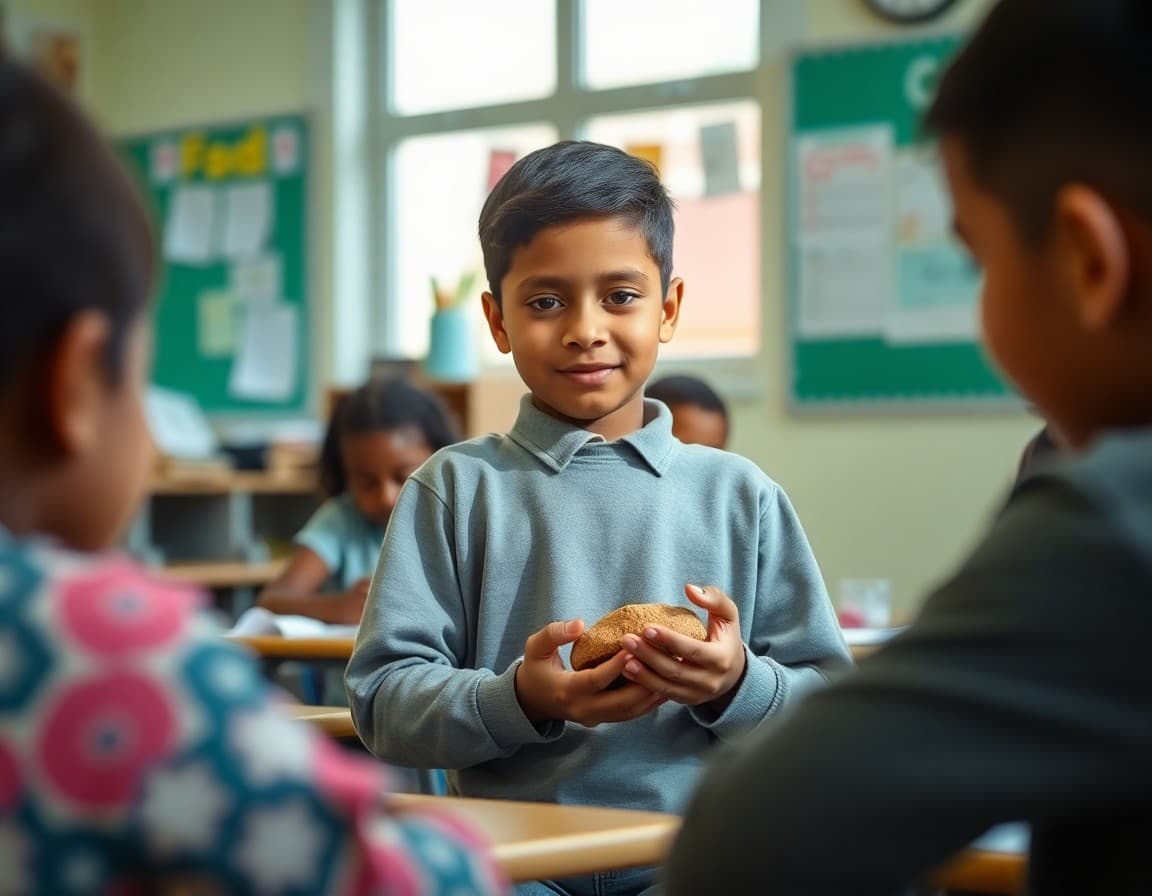
Cultural competency units ask students to examine perspectives different from their own, develop empathy for experiences they have not had, and learn to navigate a diverse world with confidence and respect. Your newsletter is what brings families into that process so the learning does not end when students leave the classroom.
Define the Learning Goals Clearly
Cultural competency is a set of specific skills: the ability to recognize cultural differences without judgment, to communicate across cultural contexts, and to understand how one's own background shapes perspective. Your newsletter should name those skills rather than relying on phrases that can be interpreted different ways by different families. Specific, skill-based language builds clarity and trust.
Describe What Students Will Do
Will students interview family members about their heritage? Read literature from multiple cultural perspectives? Research the history of communities represented in your school? Participate in structured discussions about identity? Name the activities so families know what their child is experiencing. A newsletter that describes the work is more reassuring than one that describes the goal in abstract terms.
Invite Family Participation
Every family in your classroom represents a cultural background worth learning from. Your newsletter can extend a genuine invitation for families to contribute a story, a tradition, a recipe, a piece of music, or a family artifact to the unit. Frame this as voluntary and valued. Students whose home culture appears in the curriculum feel a sense of belonging that benefits the whole class.
Prepare Families for Student Questions
Students engaged in cultural competency work ask big questions at home: why do we celebrate this but not that? What makes our family different from others? Have you ever been treated unfairly because of who you are? Your newsletter can give families a heads-up that these questions are coming, that they are healthy signs of learning, and that honest, age-appropriate answers are more valuable than deflection.
Acknowledge Diverse Family Perspectives
Families in your classroom hold a range of views about this type of curriculum. Acknowledging that reality briefly and without defensiveness builds more trust than ignoring it. A sentence that notes that the classroom focus is on skills for navigating a diverse world, not on any particular political framework, addresses the anxiety without catering to it.
Share What Students Are Learning Week by Week
A brief weekly update during the cultural competency unit keeps families connected to the specific content rather than left to imagine what "multicultural learning" means. Using Daystage, you can send those updates quickly and consistently without each one requiring significant preparation.
Get one newsletter idea every week.
Free. For teachers. No spam.
Frequently asked questions
What should a cultural competency newsletter explain to families?
Describe what cultural competency means in your classroom, what students will be doing, what specific skills or understandings the unit develops, and how families from different backgrounds can contribute. Transparency about the curriculum reduces anxiety and invites partnership rather than suspicion.
How do I address families who may have concerns about this type of curriculum?
Be direct about the purpose: developing the ability to interact respectfully with people from different backgrounds is a life skill with measurable academic and professional benefits. You can acknowledge that families have different views while being clear that the classroom focus is on skills and perspectives, not political positions.
How can families from different cultural backgrounds contribute to the unit?
Invite families to share a story, a tradition, a food, or an artifact from their cultural background. Frame the invitation as optional and valued. Students whose home cultures are visible in the classroom curriculum have higher engagement and stronger sense of belonging.
How do I prepare families for conversations students may bring home?
Let families know that students may come home with questions about identity, fairness, and difference. These are healthy conversations to have. Your newsletter can suggest one or two age-appropriate ways to engage with those questions rather than redirecting students away from them.
What tool helps teachers send newsletters efficiently?
Daystage makes cultural competency newsletters easy to produce with a professional tone. You can include the unit overview, family contribution invitations, and conversation starters in one clear message that respects every family in your classroom community.

Adi Ackerman
Author
Adi Ackerman is a former classroom teacher and curriculum writer with 8 years in K-8 schools. She writes about school communication, parent engagement, and what actually works in real classrooms.
More for Classroom Teachers
Teacher Newsletter for Global Classroom Projects and Pen Pal Programs
Classroom Teachers · 6 min read
Cultural Heritage Month in Your Classroom Newsletter: What to Communicate
Classroom Teachers · 6 min read
Teacher Newsletter for Cultural Holidays: Celebrate Diversity in the Classroom
Classroom Teachers · 6 min read
Ready to send your first newsletter?
3 newsletters free. No credit card. First one ready in under 5 minutes.
Get started free