
Teacher Newsletter for Biography Presentation Projects and Events
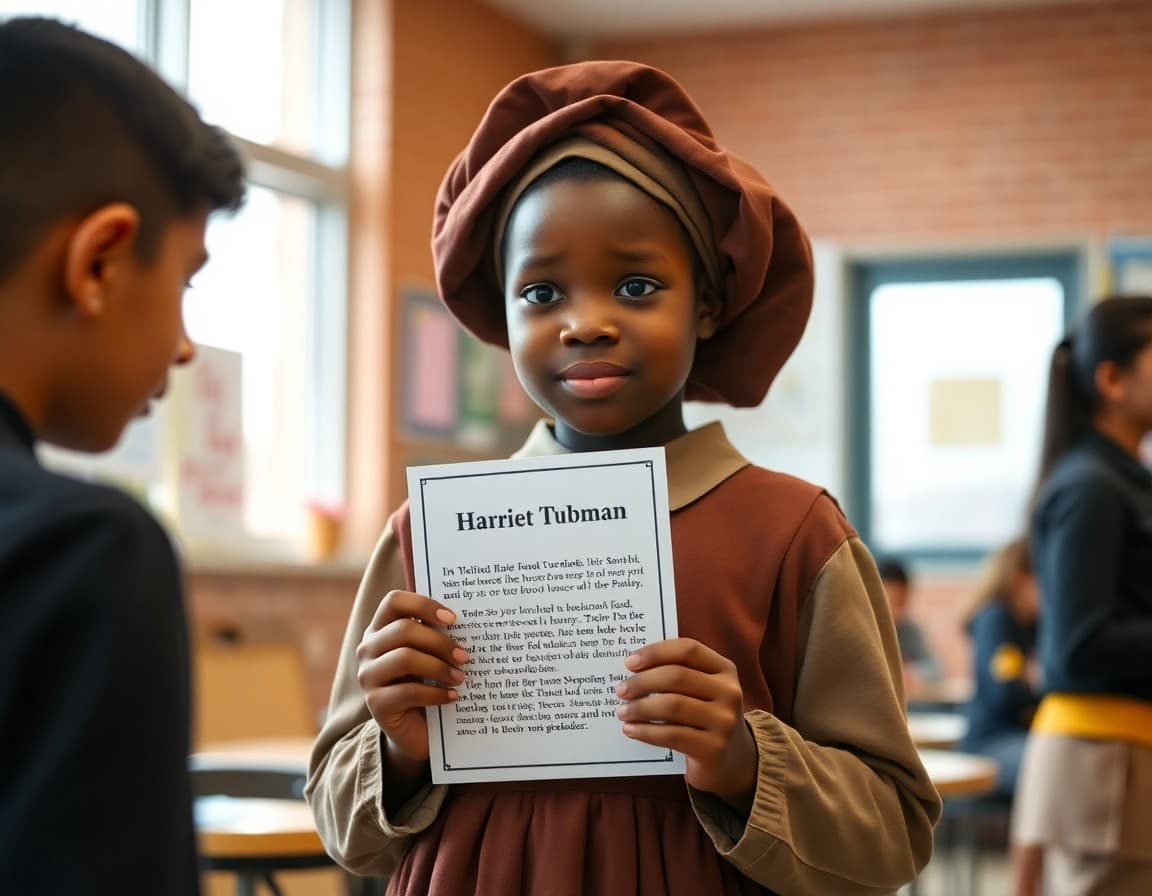
Biography presentations are memorable for students because they require full investment: research, writing, and performance. When a student stands in front of an audience and speaks as Harriet Tubman or Neil Armstrong, something clicks. Your newsletter before the project begins is what aligns families around the process and makes the performance event everything it can be.
Describe the Full Project from Start to Finish
Walk families through what students will do over the course of the project: select a historical figure, research their life using multiple sources, write a first-person narrative or structured presentation, prepare a visual aid or prop, and deliver the presentation in character. Families who understand the arc of the project support each phase more effectively than those who only hear about it the week before the performance.
Give Guidance on Figure Selection
If students choose their own figure, mention whether any topics or figures are off-limits and what the selection criteria are. Suggest categories to help families guide their child: scientists, athletes, civil rights leaders, explorers, inventors, authors. If you have a list of pre-approved figures, include it or a link to it. Early guidance prevents a student from choosing someone whose biography is too advanced or too limited in available resources.
Address the Costume Component Clearly
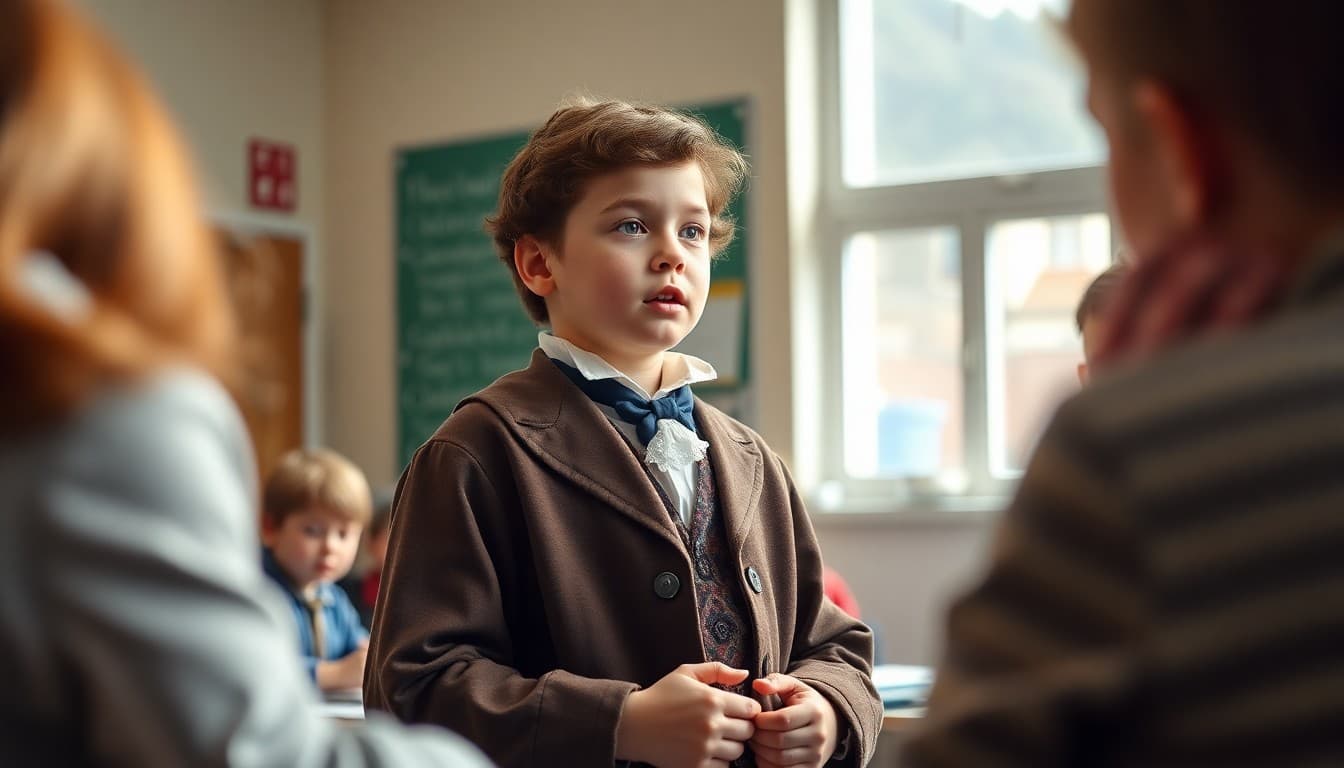
Biography presentations often involve a costume element, and families need enough lead time to prepare one without stress. Describe the expectation: a simple prop or piece that represents the figure is completely appropriate, no elaborate costume required. Give an example of what simple looks like: a lab coat for a scientist, a hat, a symbolic prop. Normalize simplicity to prevent families from over-investing.
Suggest Rehearsal Support
The most helpful thing families can do is listen to a rehearsal. In the newsletter, suggest a specific way to do it: have your child present to you as if you are an audience member meeting their historical figure for the first time. Ask them one question about their research afterward. That interaction prepares the student for the real audience more than any amount of silent review at their desk.
Describe the Performance Event
When, where, how long, whether families are invited, and whether the format is wax museum style or classroom presentation. Families who know the format arrive prepared to engage. If the event is a wax museum where families walk station to station and students activate when someone approaches, explain that dynamic so family visitors know what to do.
Celebrate the Effort After the Event
A post-event newsletter with a photo of students in costume and a brief celebration of what they accomplished closes the project with the pride it deserves. Using Daystage, you can have that message ready to send within hours of the presentation, while families and students are still riding the high of the experience.
Get one newsletter idea every week.
Free. For teachers. No spam.
Frequently asked questions
What should a biography presentation newsletter cover?
Describe what a biography project involves: choosing a historical figure, researching their life and impact, writing a presentation, and delivering it in character or in first person. Include the performance format, the date, any costume requirements, and how families can support the research and rehearsal process.
How should families help with costume preparation?
Your newsletter should give costume guidance early enough that families are not scrambling the week before. Describe the level of costume expected: a simple prop that represents the person, a partial costume, or a full outfit. Note that simple and homemade is completely appropriate. Providing examples prevents over-interpretation.
How do I help families support the in-character performance?
Suggest that families listen to a rehearsal at home and ask questions as if they are meeting the historical figure for the first time. That practice is exactly what students need before presenting to an audience. A student who has answered questions in character at home is far more confident on presentation day.
What if a student chooses a historical figure with complicated or controversial aspects?
The newsletter can briefly note that biography projects involve nuanced historical figures and that some research may raise complex questions at home. Encourage families to use those moments as discussions about historical context rather than trying to simplify the figure. This anticipates a common situation rather than being caught off guard by it.
What tool helps teachers send newsletters efficiently?
Daystage makes biography project newsletters simple to produce. You can include the project timeline, costume guidance, rehearsal suggestions, and event details in one polished message that reaches every family before the project begins.

Adi Ackerman
Author
Adi Ackerman is a former classroom teacher and curriculum writer with 8 years in K-8 schools. She writes about school communication, parent engagement, and what actually works in real classrooms.
More for Classroom Teachers
Teacher Newsletter for History Presentations: Showcase Student Research
Classroom Teachers · 6 min read
Teacher Newsletter for Living Museum: Bring History to Life for Families
Classroom Teachers · 6 min read
How to Write About Social Studies Projects in Your Classroom Newsletter
Classroom Teachers · 5 min read
Ready to send your first newsletter?
3 newsletters free. No credit card. First one ready in under 5 minutes.
Get started free