
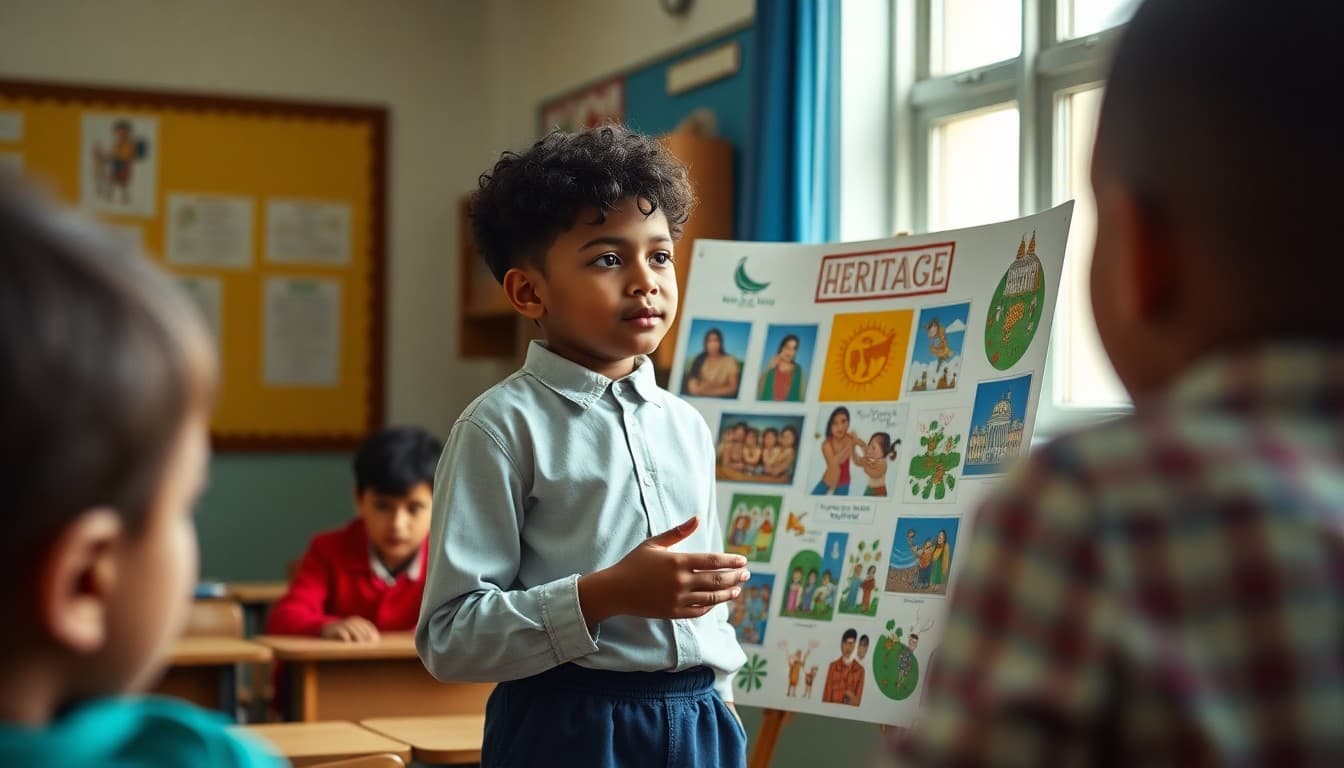
Communicating Your Heritage Poster Project to Families via Teacher Newsletter
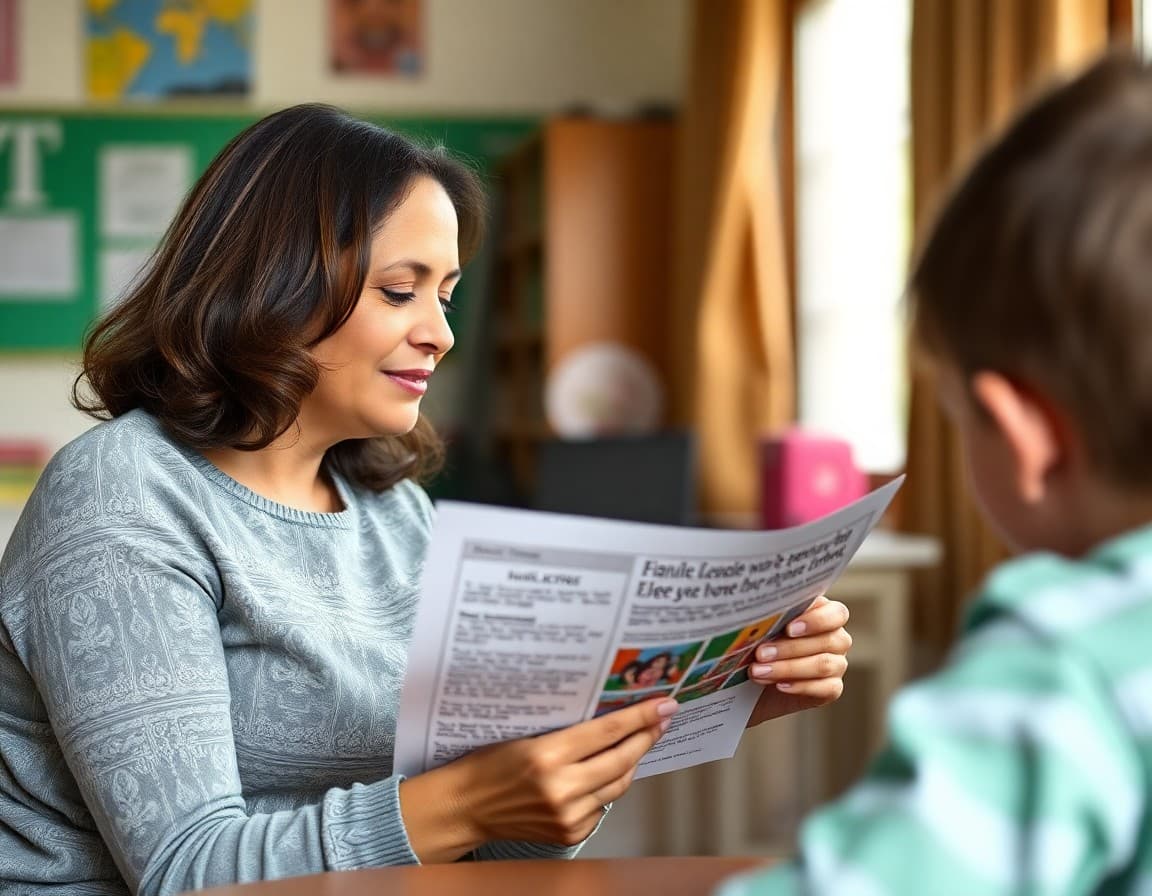
Why Heritage Projects Require Strong Family Communication
A heritage poster project asks students to bring their family into the classroom in a visible, public way. That invitation is meaningful but also sensitive. Families need to know exactly what is expected, how their cultural knowledge will be treated with respect, and how students with complex or private family histories can participate without feeling exposed.
Your newsletter is where you set all of that up before the project begins.
Introduce the Project With a Clear Purpose Statement
Tell families why you are doing this project. "We are studying how identity shapes community, and the heritage poster is one way students explore where they come from and what they carry with them." Families who understand the educational purpose engage more thoughtfully. They tell better stories, offer more useful context, and approach the project as partners rather than bystanders.
Define Heritage Broadly From the Start
Not every student has easy access to their ethnic or national heritage. Some are adopted. Some have parents from very different backgrounds. Some have limited knowledge of family history. Your newsletter should explicitly expand the definition: heritage includes cultural traditions, languages spoken at home, foods associated with family gatherings, stories passed down, values held, places lived. Any of these count.
That breadth makes the project accessible without diluting its meaning.
Tell Families What to Share With Their Child
Give families a specific starting prompt in your newsletter. "This week, ask your child to ask you one question about your family's background: where your family is from, a tradition you grew up with, a story you remember your grandparents telling." That prompt is more useful than a general invitation to "share your heritage." Specific prompts generate specific conversations that students can actually use.
List the Project Requirements Clearly
Families who are helping a child assemble a poster need to know the specifics. How big is the poster? What needs to be on it? What format is the written content? When is it due? How will it be displayed or presented? A brief list of requirements in the newsletter prevents the night-before panic and ensures students arrive with what they need.
Address the Irreplaceable Item Question
Some families will want to send in original photos, heirloom objects, or valuable documents. Your newsletter should address this directly: please send copies or printed duplicates rather than originals. Any physical object students bring to share should be something the family is comfortable leaving briefly in a classroom environment. A single sentence prevents losses that cannot be undone.
Share What You Observe During Presentations
After students present their posters, include a reflection in your newsletter. "The presentations this week were one of the most meaningful experiences I have had in the classroom this year. Students learned from each other in a way that curriculum alone cannot create." That reflection honors the families who contributed and tells the community that their willingness to share mattered.
Get one newsletter idea every week.
Free. For teachers. No spam.
Frequently asked questions
What is a heritage poster project?
A heritage poster is a student-created visual display of their family background, cultural traditions, or personal history. Students typically include photos, symbols, flags, languages, foods, or stories that represent where they and their family come from.
How do I make this project inclusive for students from complex family situations?
Offer flexible definition of 'heritage.' Students can represent the culture of a family they were raised in, a place they feel connected to, or a tradition they value. Not every student has accessible biological family history. Flexibility is inclusion.
How do I communicate the project requirements in the newsletter?
Keep the requirements list short and clear. What goes on the poster, how big it should be, what the due date is, and how it will be presented. Include one example of what a finished poster might look like. Visual references help families and students plan.
How can families contribute to the heritage poster project?
Family involvement is the point of this project. Your newsletter should invite families to share stories, photos, recipes, or objects with their child. Make clear that nothing irreplaceable should be brought to school. Copies or printed photos work well.
How does Daystage help teachers manage project communication with families?
Daystage makes it easy to include a project details section in your newsletter with due dates, requirements, and visual examples. Families get everything in one place and can refer back to it without digging through their child's backpack for a crumpled handout.

Adi Ackerman
Author
Adi Ackerman is a former classroom teacher and curriculum writer with 8 years in K-8 schools. She writes about school communication, parent engagement, and what actually works in real classrooms.
More for Classroom Teachers
Using Your Teacher Newsletter to Launch a Classroom Oral History Project
Classroom Teachers · 6 min read
Explaining the Classroom Coat of Arms Project in Your Teacher Newsletter
Classroom Teachers · 6 min read
Cultural Heritage Month in Your Classroom Newsletter: What to Communicate
Classroom Teachers · 6 min read
Ready to send your first newsletter?
3 newsletters free. No credit card. First one ready in under 5 minutes.
Get started free