
Why Your Teacher Newsletter Should Be Promoting the Local Library
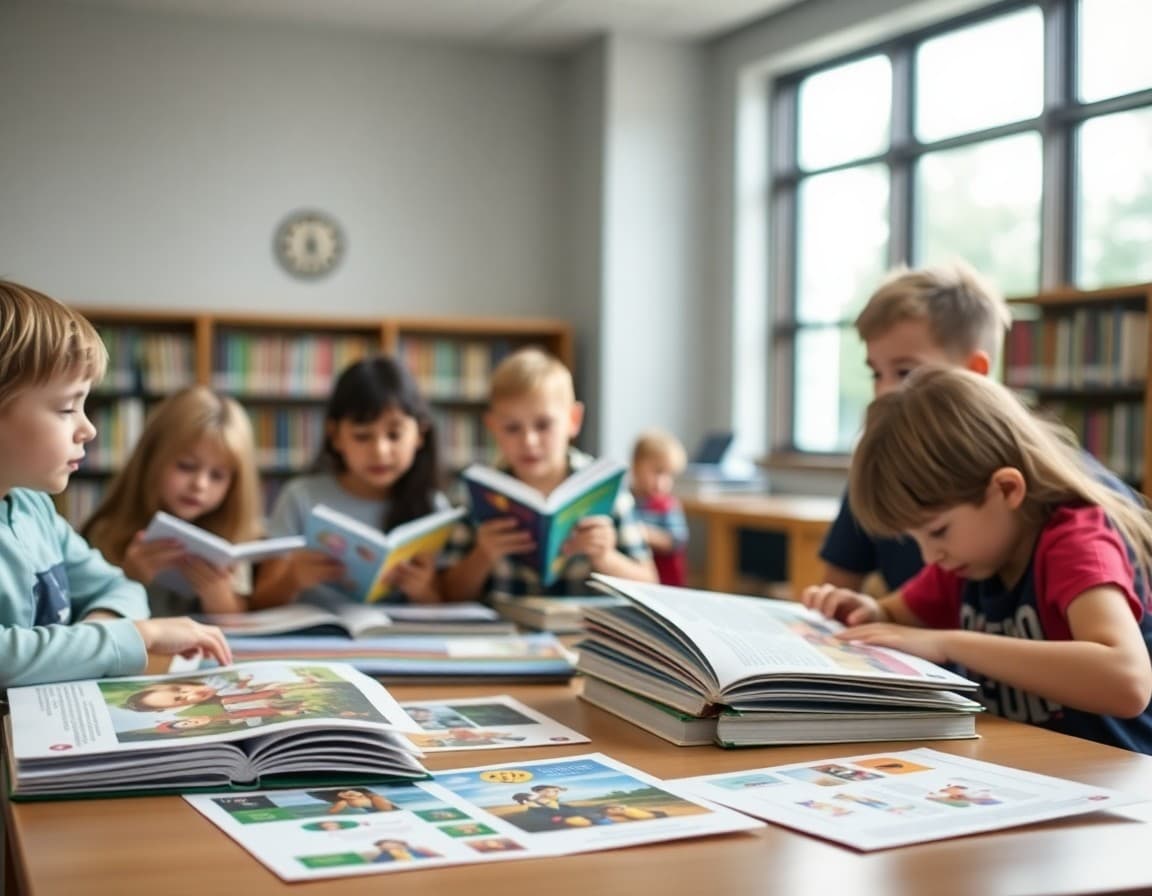
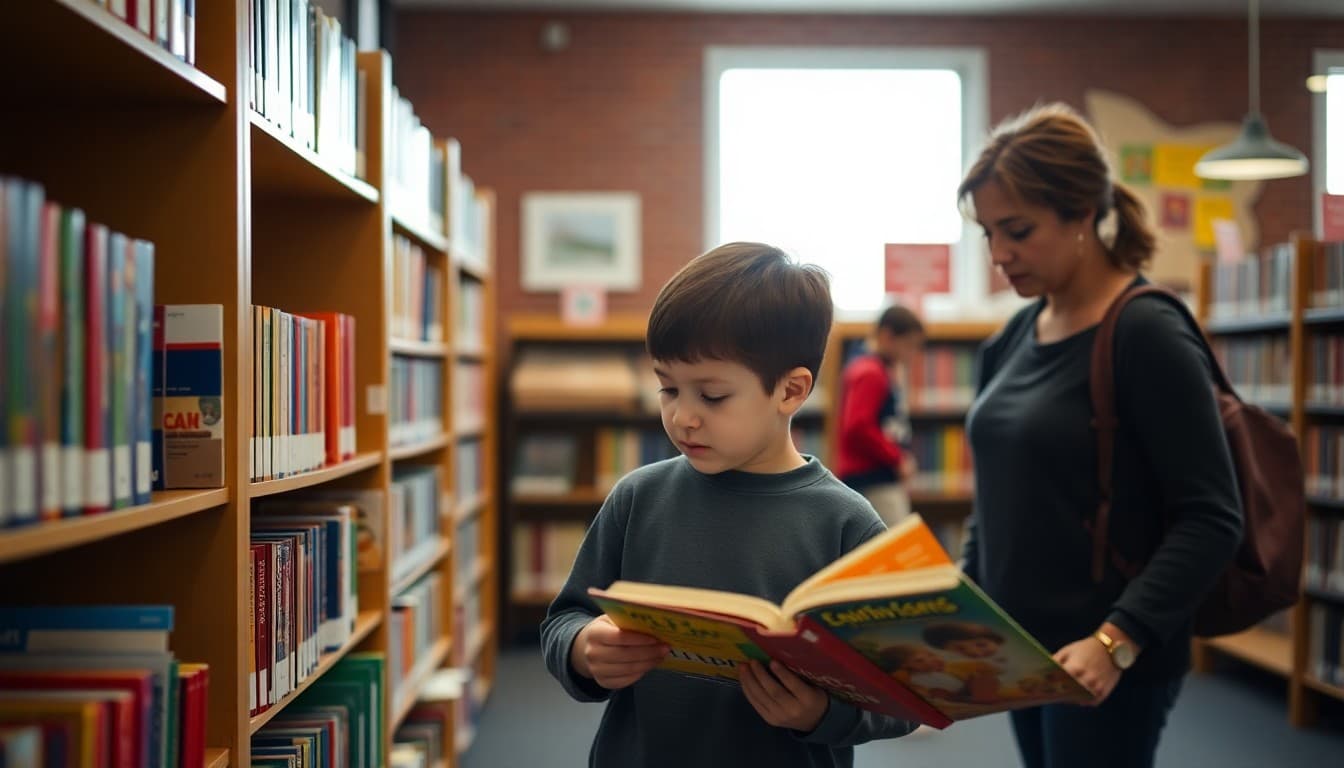
The public library is the most accessible free educational resource in most communities. It offers books, ebooks, audiobooks, programs for children of every age, homework help, and digital databases that rival paid subscription services. Yet many families with school-age children are not regular library users, often simply because no one prompted them to start. A teacher newsletter that consistently highlights library resources changes that for a surprising number of families.
Introduce the library as an extension of the classroom
Frame library recommendations in terms of what students are learning. "We are starting our animal habitats unit next week. The library has an excellent picture book collection on ocean and rainforest habitats. If your student wants to read more about the topic outside of class, a library visit this weekend is a great option." Connecting the library to current classroom content makes the recommendation immediately relevant rather than generally helpful.
Highlight specific programs by date
Generic "go to the library" encouragement is less effective than "this specific program is happening on this date." "The Eastside Branch is hosting a free science experiment workshop for grades 3 through 5 on Saturday, October 12, from 10 a.m. to noon. Registration is free at [link]." Specific programs with dates convert newsletter readers into library visitors at a far higher rate than open invitations.
Tell families about digital access
Many families do not know that a free library card gives access to digital resources they would otherwise pay for. "With a free library card, your student can access Libby for ebooks and audiobooks, Kanopy for educational videos, and the library's online homework databases. No trips required. The registration link is below." Digital access expands the library's relevance for families who are more likely to read on a device than visit in person.
Mention the summer reading program every spring
Summer reading programs at public libraries are among the most impactful tools for preventing the summer reading slide. Mentioning them in spring newsletters gives families time to register before school ends. "The public library's summer reading program kicks off June 3. It is free, the incentives are genuinely fun, and it is one of the best ways to keep reading skills sharp over the break."
Build a relationship with your school or local librarian
A personal relationship with a children's librarian gives you a steady stream of newsletter content. Librarians know what programs are coming, which books align with curriculum, and which resources families are not using. They often welcome teacher partnerships because it drives traffic to their programs. A monthly email exchange keeps your library section current and relevant.
Remind families that library cards are free
This sounds obvious but is worth stating in a newsletter at least once per year. "Library cards are free for all residents. If your family does not have one, stopping by the library with a piece of mail showing your address is all it takes." Some families assume there is a cost. Removing that assumption removes the barrier.
Teachers who include consistent library mentions in their Daystage newsletters see families more connected to the library throughout the year. That reading habit compounds in ways that show up in classroom performance.
Get one newsletter idea every week.
Free. For teachers. No spam.
Frequently asked questions
Why should teachers promote the library in classroom newsletters?
The public library offers free books, programs, digital resources, and community connections that are highly valuable but vastly underused by school-age families. Many families do not know what their local library offers because no one has told them. A teacher recommendation carries weight that a library flyer does not.
What library programs are worth highlighting in a classroom newsletter?
Summer reading programs, storytime and read-aloud events for younger students, homework help hours, digital library cards that give access to ebooks and audiobooks, and any library programs that align with what students are studying in class. Your local library may also offer free museum passes or nature center tickets.
How do I find out what my local library offers before recommending it?
Visit the library website or call the children's department directly. Many school librarians also maintain relationships with public library staff and can provide a current programs list. A one-time fifteen-minute phone call with a children's librarian can give you a semester's worth of newsletter content.
Should I mention the library's digital resources for families without transportation?
Absolutely. Digital library cards, ebook apps like Libby, and online homework databases are available to any family with internet access. These resources are especially important for families who cannot visit in person. Include the library's digital access link whenever you mention library resources.
Can Daystage help teachers include library recommendations in newsletters?
Yes. You can add a local library section to your Daystage newsletter template and update it monthly with current programs and events. The link formatting makes it easy for families to click through directly to library registration or program information.

Adi Ackerman
Author
Adi Ackerman is a former classroom teacher and curriculum writer with 8 years in K-8 schools. She writes about school communication, parent engagement, and what actually works in real classrooms.
More for Classroom Teachers
Ready to send your first newsletter?
3 newsletters free. No credit card. First one ready in under 5 minutes.
Get started free