

Sharing Free Learning Resources With Families in Your Teacher Newsletter
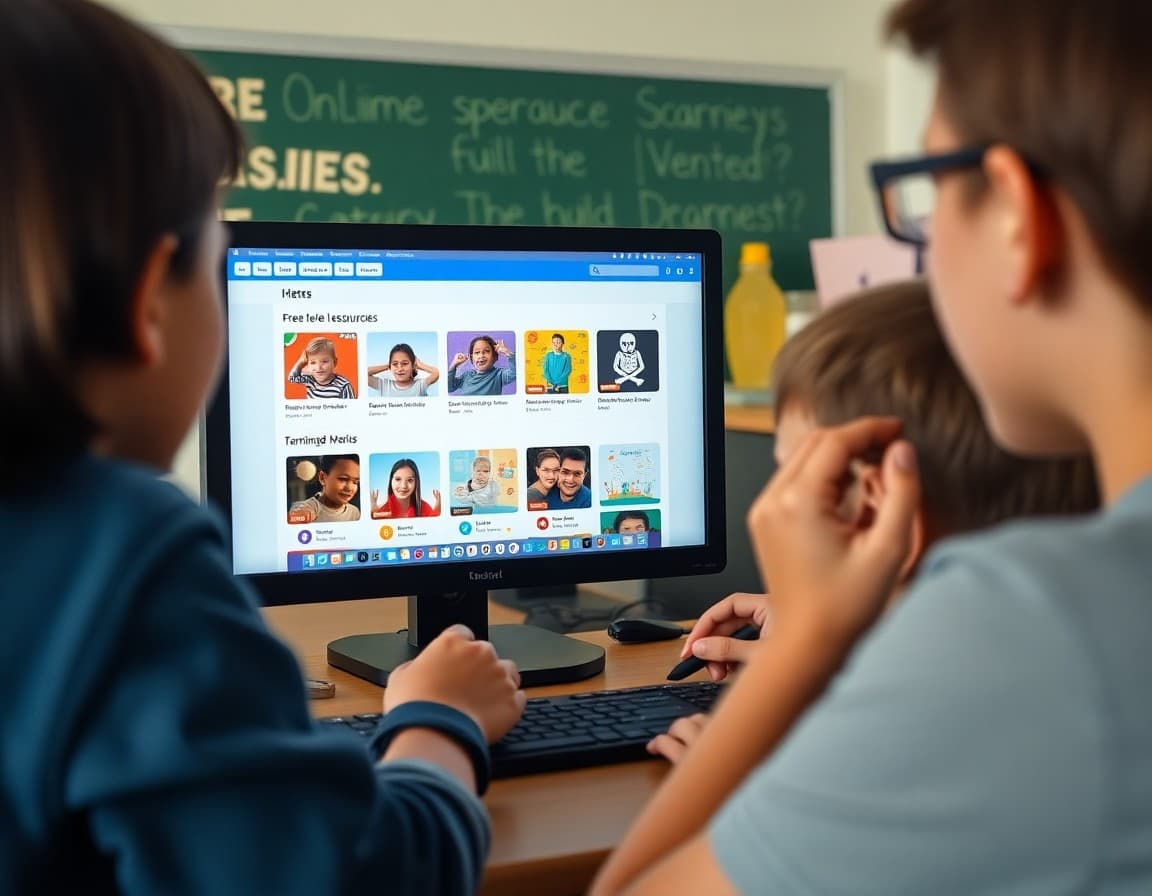
Teachers regularly discover free educational resources that families would use if they only knew about them. The barrier is almost always awareness. A newsletter that surfaces one or two well-vetted free tools or programs each month gives families something practical they can use immediately at home. Over a school year, those recommendations build a home learning toolkit families would not have assembled on their own.
Tie free resources to current classroom learning
A free resource that connects to what students are doing in class right now has more immediate value than a general educational tool. "We are in the middle of our fractions unit and the Prodigy Math game has a free mode that focuses heavily on fractions. If your student wants extra practice at home, this is worth trying this week." Timely relevance converts a passive recommendation into an active home learning tool.
Be specific about what is actually free
Many educational platforms offer a free tier that has meaningful value and a premium tier families should know is optional. Be clear. "The free version of Starfall covers reading through second grade. The paid version adds more content but the free tier is genuinely useful for most K-2 families." Families who sign up expecting a free experience and find themselves facing a paywall feel misled. That experience reflects on your recommendation.
Include print resources when relevant
Not every family has reliable device access at home. A link to a printable activity, a worksheet, or a physical game instructions sheet is more accessible than an app recommendation. "The National Archives has a free set of primary source document activities for our grade level. I have linked them below and they can be printed at home or at the library." Mixing digital and print options serves more families.
Share your personal recommendation, not just a link
The value of a teacher resource recommendation is the teacher's endorsement. Families trust your judgment in ways they do not trust a generic list. "I have used this tool in class and students genuinely enjoy it" is more persuasive than a link with no context. Your voice is what makes the recommendation worth acting on.
Build a recurring resources section in your newsletter
A standing "resource of the week" or "this month's recommendation" section trains families to look for it. Over time, this section becomes one of the reasons families read your newsletter. Families who come for the learning content and stay for the useful links are more engaged readers overall.
Ask families to share what is working at home
Once or twice a year, invite families to share free resources they have discovered that their student enjoys. "Have you found a free app or website your student loves that I should know about? Reply and let me know." The responses often surface tools teachers have not encountered, and sharing them in a future newsletter reinforces that the classroom is a community conversation, not a one-way broadcast.
Daystage newsletters with a dedicated resources section consistently earn higher engagement because families find immediate, practical value in every send.
Get one newsletter idea every week.
Free. For teachers. No spam.
Frequently asked questions
What types of free resources are worth sharing in a teacher newsletter?
Apps and websites that reinforce current classroom learning, free library programs, educational YouTube channels, printable activity sheets tied to upcoming units, and local community programs like museum free days. The filter should be: is this genuinely useful for my families and does it connect to what students are learning right now?
How many free resources should I share in one newsletter?
No more than three. More than three and families feel overwhelmed and act on none of them. One resource with a strong recommendation is more useful than seven resources with no context. If you have more to share, spread them across multiple newsletters.
How do I vet a free resource before recommending it to families?
Use it yourself for at least fifteen minutes. Check for age-appropriate content, confirm the free version is actually useful and not just a teaser for a paid upgrade, and make sure it aligns with your current curriculum. Recommending a resource that frustrates families because the useful features are paywalled damages trust.
How do I present a free resource so families actually try it?
Describe what the resource does in one sentence, explain why it is useful for your students specifically, and include a direct link. 'Khan Academy Kids has a free fractions unit that matches exactly what we are doing in class this month. It adapts to each student's pace. The link is below.' That is more compelling than a link with a label.
Can Daystage help teachers share free resource links in newsletters?
Yes. Daystage supports clickable links with clean formatting. You can add a 'resource of the week' section to your template that families look forward to each newsletter.

Adi Ackerman
Author
Adi Ackerman is a former classroom teacher and curriculum writer with 8 years in K-8 schools. She writes about school communication, parent engagement, and what actually works in real classrooms.
More for Classroom Teachers
Ready to send your first newsletter?
3 newsletters free. No credit card. First one ready in under 5 minutes.
Get started free