

How to Share Local Community Events in Your Teacher Newsletter
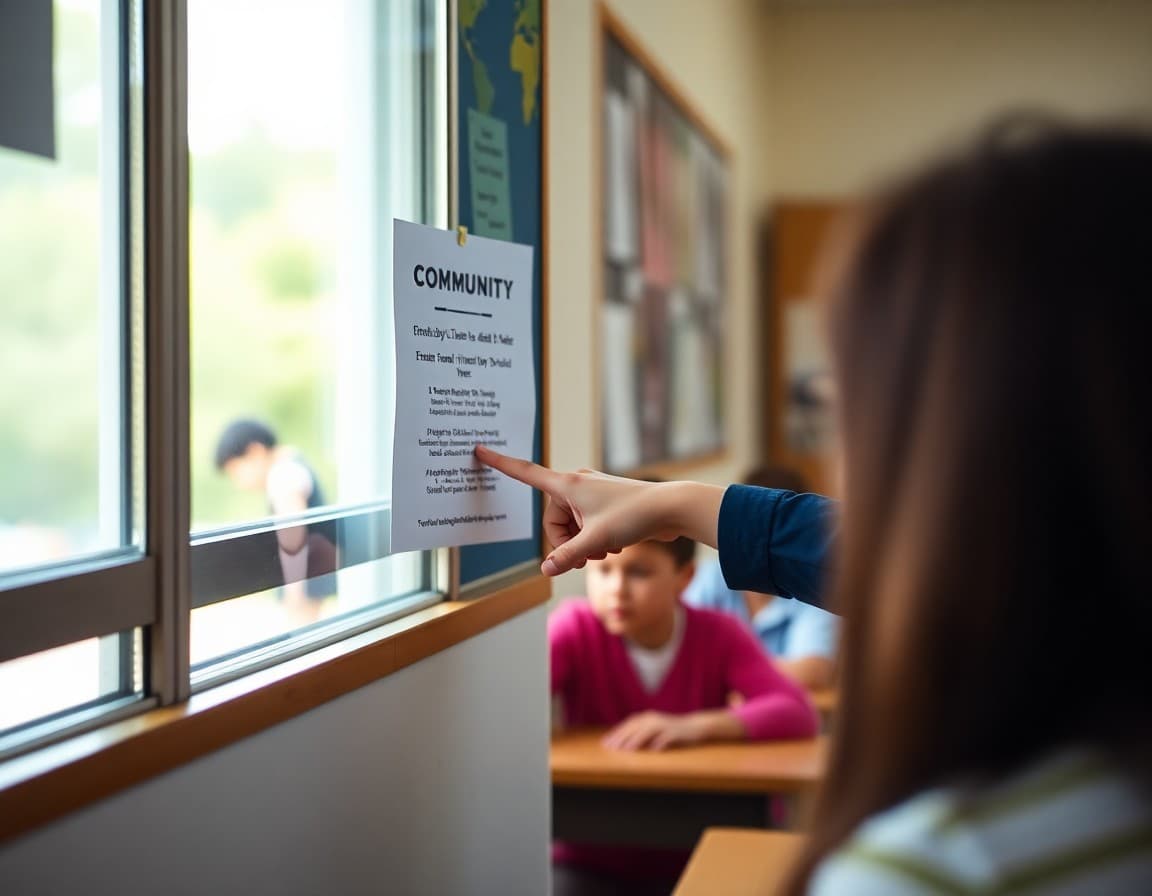
School does not end at the classroom door. Community events, cultural programs, and local experiences extend learning in ways that worksheets and textbooks cannot. A teacher newsletter that consistently surfaces quality community events builds families' awareness of the resources in their own neighborhood while reinforcing the connection between school and the wider world.
Connect events to what students are studying
The most useful community event recommendations tie directly to classroom content. "We are currently studying the American Revolution in social studies. The county historical society is hosting a free exhibit on local Revolutionary War sites through the end of the month. Visiting with your student this weekend would connect directly to what we are covering in class." That framing turns an optional outing into a meaningful extension of school learning.
Focus on free and low-cost events
Community event recommendations that require significant financial outlay are not accessible to all families. Prioritize free or low-cost events in your newsletter. When you do mention a paid event, note the cost clearly so families can make an informed decision. "The children's theater production of Charlotte's Web runs through October. Tickets are twelve dollars for children. The PTA has a limited number of complimentary tickets available. Contact the main office by Thursday."
Include practical logistics, not just the name and date
An event recommendation is more actionable when it includes everything families need to plan the trip. Location, parking or transit information, age-appropriateness, whether registration is required, and whether there are any entry requirements families should know about. "The science museum's robot exhibit runs through November. It is appropriate for grades 2 and up. Admission is free on the first Sunday of each month. No registration required." That level of detail converts interest into attendance.
Add your personal recommendation
Families trust teacher recommendations more than they trust flyers. A brief personal note about why you are highlighting a specific event adds credibility. "I took my own kids to this event two years ago and it sparked a three-week obsession with astronomy. It is genuinely impressive for the age group." Your voice makes the difference between a newsletter mention and a recommendation families act on.
Invite families to share events they discover
Build a two-way community events channel by asking families to share events they discover. "If you hear about a family-friendly event that connects to what we are studying, reply to this email and let me know. I will include it in the next newsletter." Families who contribute to the newsletter feel more invested in it, and you benefit from local knowledge you might not have found.
Keep the events section brief and optional in tone
Community events in a teacher newsletter should occupy no more than three to four lines each, and no more than two to three events per newsletter. Frame them as invitations rather than recommendations. Families who cannot attend should not feel like they are missing something required.
Daystage newsletters with a community events section consistently receive strong engagement because families value the curation. You are doing the research they would not do on their own.
Get one newsletter idea every week.
Free. For teachers. No spam.
Frequently asked questions
Is it appropriate to share community events in a teacher newsletter?
Yes, when the events connect to learning, support student wellbeing, or offer experiences families in your community would benefit from knowing about. Use your judgment about commercial events or events with political affiliations that could be divisive. Stick to free or low-cost educational and cultural experiences that align with your school's community values.
How do I find local community events worth sharing with families?
Check your local library calendar, parks department website, arts council, museum schedules, and city government events pages. Build a shortlist of trusted sources and check them monthly. A brief personal note about why a specific event is worth attending makes your recommendation more credible than forwarding a flyer.
How do I decide whether an event is relevant enough to share?
Ask: does this connect to something students are learning, would attending benefit the student intellectually or socially, is it free or low-cost and therefore accessible to most families, and is it appropriate for the age group? An event that passes these filters is worth a brief mention in the newsletter.
Should I require students to attend community events I recommend?
No. Community event recommendations in a newsletter should be optional enrichment opportunities. Requiring attendance creates equity issues for families with transportation, work schedule, or financial constraints. Present events as invitations, not assignments.
Can Daystage help teachers share community events in newsletters?
Yes. You can add an events section to your Daystage newsletter template with dates, links, and brief descriptions. The section is easy to update weekly or monthly without redesigning the whole newsletter.

Adi Ackerman
Author
Adi Ackerman is a former classroom teacher and curriculum writer with 8 years in K-8 schools. She writes about school communication, parent engagement, and what actually works in real classrooms.
More for Classroom Teachers
Ready to send your first newsletter?
3 newsletters free. No credit card. First one ready in under 5 minutes.
Get started free