
Teacher Newsletter for a Labor Day Unit: What to Tell Families
Labor Day is one of the most under-taught American holidays. Most students know it as the end of summer. Your unit can give it meaning: the labor movement is one of the most significant civic stories in American history, with direct relevance to every family whose parents go to work each day. Your newsletter helps families see that connection and use it at home.
Explain What Students Are Learning
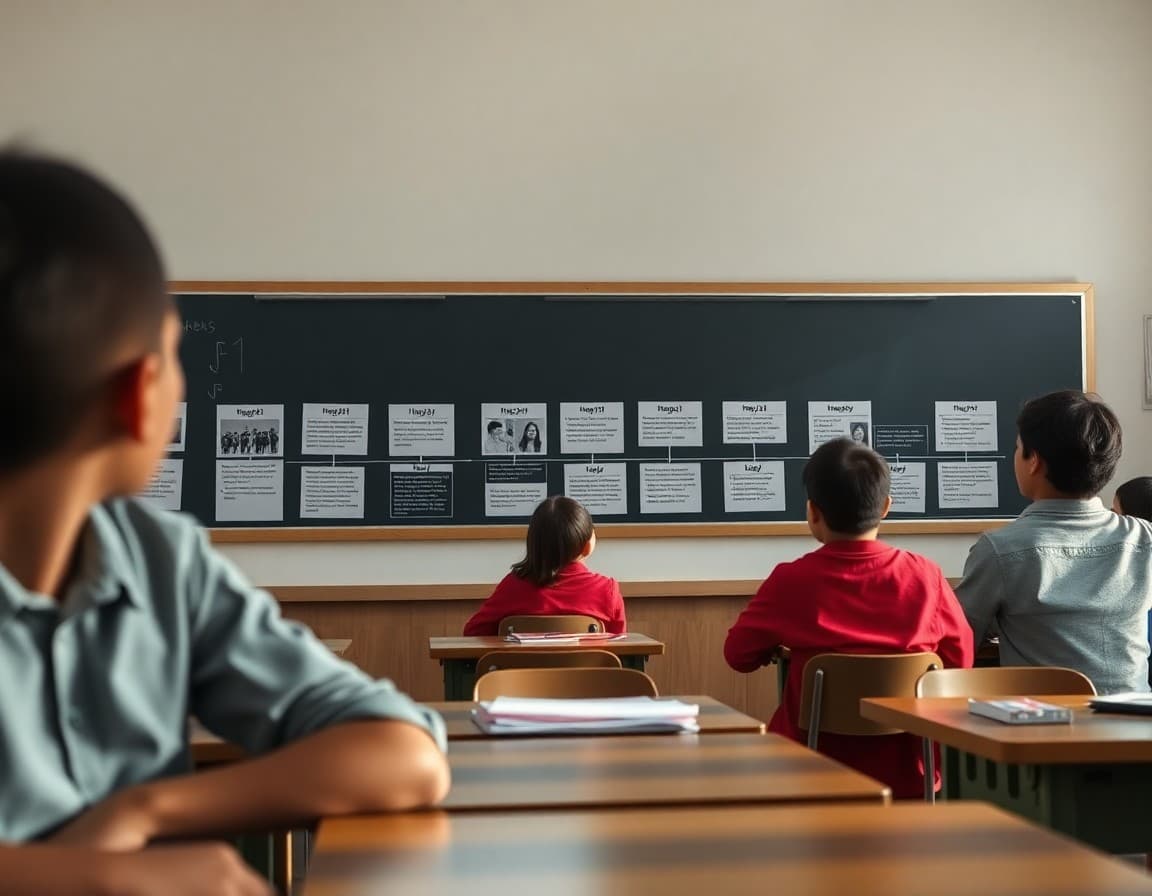
Start with the historical content. Tell families the specific arc of the unit: what work looked like before labor protections, how the movement for workers' rights developed, which laws and protections resulted, and who the key figures were. That overview tells families this is real history, not a holiday craft. It also gives them enough background to ask specific questions at home.
Feature Specific Historical Figures
Name the people students are studying. Samuel Gompers and the founding of the AFL. Mother Jones and child labor activism. Cesar Chavez and the United Farm Workers. Triangle Shirtwaist Factory fire survivors. Frances Perkins, the first woman to serve in a presidential cabinet. These names make the movement human rather than abstract. Families who know the names can look them up and discuss them at home.
Use Primary Sources
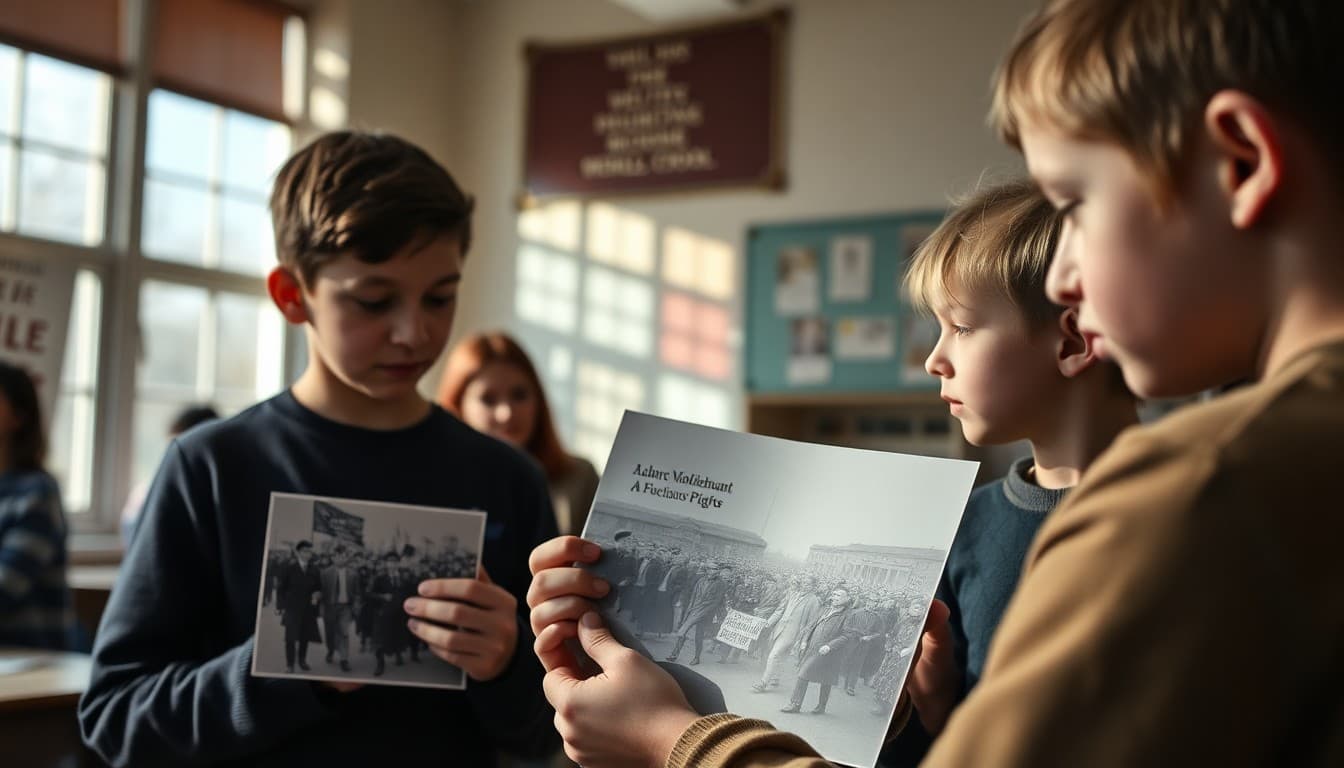
Tell families what primary sources students are examining. Photographs of child laborers from the early 1900s. Newspaper accounts of labor strikes. Excerpts from workers' firsthand testimonies. Primary sources create the emotional and intellectual impact that textbook summaries cannot replicate. Families who know that students are analyzing these sources understand the rigor of the unit.
Connect History to Present Day
Tell families how you are connecting the historical labor movement to present-day workplace realities. Minimum wage laws, workplace safety requirements, limits on working hours, the right to organize: all of these trace directly to the movement students are studying. "Every job your family member holds comes with legal protections that did not exist 125 years ago. This unit explains who fought for them and how."
Give Families a Home Conversation
Provide a specific dinner table prompt: "Ask your child to tell you one thing they learned about working conditions before the labor movement. Then tell them about your own work: what you do, what rules protect you, whether you have ever had to advocate for something at work." That conversation connects the historical to the personal in a way that makes the history memorable.
Address Any Concerns Proactively
Some families may see labor history as political. Address it directly: "We are teaching the documented history of how workplace protections came to exist in the United States. This is social studies content, not advocacy. Students are learning to evaluate primary sources, understand cause and effect, and recognize the role of civic action in historical change." That framing is accurate and clear.
Preview the Culminating Work
Tell families what students will produce at the end of the unit: a research project, a persuasive essay, a presentation, or an analysis of a primary source. When families know the endpoint, they understand the daily work is building toward something. They can also support appropriately at home during the research and writing phases.
Get one newsletter idea every week.
Free. For teachers. No spam.
Frequently asked questions
What should a Labor Day unit newsletter include?
Include the historical content of the unit, specific figures in the labor movement students are studying, the civic skills the unit develops, and home conversation ideas that connect the history to family work experiences.
What does a Labor Day history unit cover in elementary school?
Core content includes child labor in the early 20th century, the fight for the eight-hour workday, the rise of unions, key figures like Samuel Gompers, Mother Jones, and Cesar Chavez, and the workplace protections that came from those movements. Upper elementary can also examine current labor issues.
How do I teach labor history without it becoming politically loaded?
Ground it in the historical record and human stories. The conditions that led to the labor movement, child labor photographs, and primary source accounts are factual and compelling. You are not advocating a current policy position. You are teaching the history of how working conditions changed and who fought for that change.
How can families connect labor history to their own work experiences?
Ask families to share a story about their own work at dinner: What is their job? What rules protect them at work? Did they ever have to advocate for something they thought was unfair? Those conversations connect the historical to the personal and make the unit live beyond the classroom.
Can I use Daystage to send a Labor Day unit update with historical images?
Yes. Daystage supports photos in newsletters, so you can include public domain historical photographs from the labor movement alongside your unit overview. That visual context makes the history more tangible for families.

Adi Ackerman
Author
Adi Ackerman is a former classroom teacher and curriculum writer with 8 years in K-8 schools. She writes about school communication, parent engagement, and what actually works in real classrooms.
More for Classroom Teachers
Teacher Newsletter on Global Citizenship: What Families Need to Know
Classroom Teachers · 6 min read
Teacher Newsletter for a Service Learning Unit: Communicating With Families
Classroom Teachers · 6 min read
Teacher Newsletter for an Environmental Activism Unit: Family Guide
Classroom Teachers · 6 min read
Ready to send your first newsletter?
3 newsletters free. No credit card. First one ready in under 5 minutes.
Get started free