
Teacher Newsletter for an Environmental Activism Unit: Family Guide
Environmental activism units give students one of the most direct experiences of civic agency they will have in school: identifying a real problem, researching it, and taking action. Your newsletter helps families understand what is happening in class and find ways to extend the work at home without turning every meal into an environmental lecture.
Explain the Focus and Why You Chose It
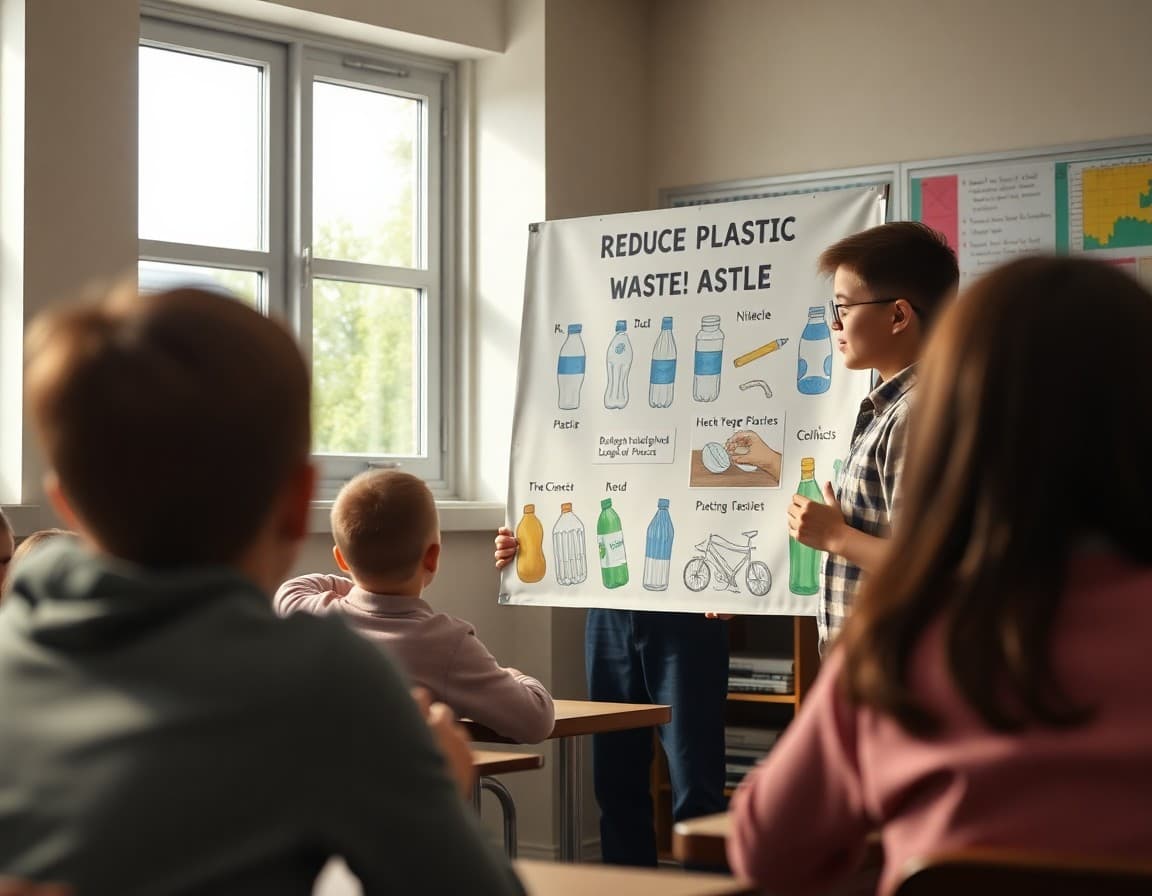
Tell families specifically what environmental topic the class is studying and why you chose it. A local issue is more powerful than a global one for this age group because students can observe and act on it directly. If your class is focusing on school waste, local habitat, water quality, or energy use, name it. Tell families what made this issue relevant to your community or curriculum.
Describe the Action Project
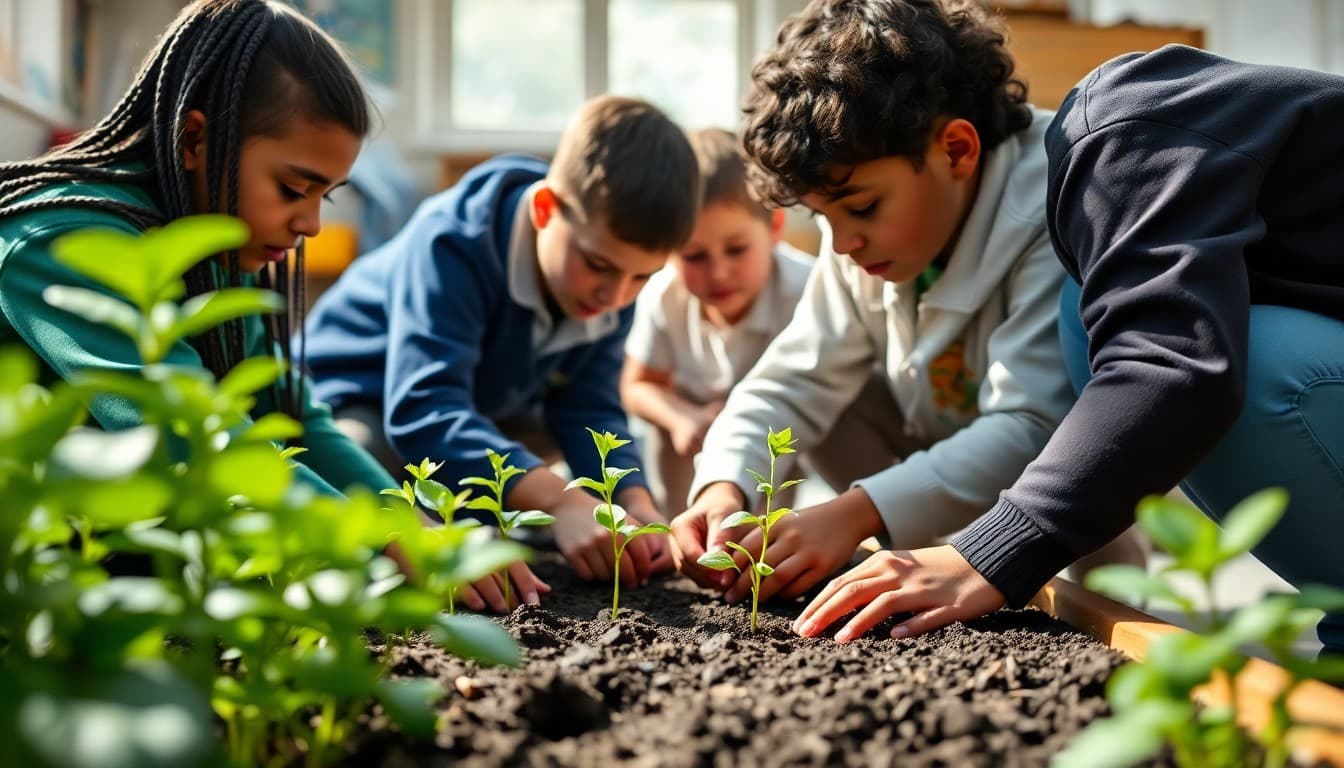
Explain what students will produce or do: a persuasive letter, a school audit, a garden installation, a campaign. Give the full scope: who the audience is, what the goal is, and whether the project will have a real impact beyond the classroom. Students who know their work will reach a real audience take it more seriously. So do families.
Connect to Academic Standards
Address the question families may not ask but many are thinking: "Is this real academics?" Yes. Environmental activism units build research skills, persuasive writing, data analysis, public speaking, and civic participation competencies that appear in state standards. Name the skills specifically so families see the curriculum value alongside the environmental content.
Give Families Conversation Starters
Provide three or four questions families can use at home this week to extend the learning. "What environmental issue is your class focusing on? What did you find out about it? What is your class doing about it? What could we do at home that would help?" Those four questions take five minutes to ask and create a real extension of the classroom work without requiring any additional materials.
Suggest One Household Action
Ask families to try one environmental action this month that connects to your unit topic. One. Not a lifestyle overhaul. If you are studying waste, try a one-week household waste audit. If you are studying water, check the water footprint of one meal. If you are studying energy, walk through the house and find one thing left on unnecessarily. Small actions taken deliberately are more instructive than overwhelming change.
Address Environmental Anxiety
Some students, and some families, experience real anxiety about environmental topics. Tell families that your unit is designed to develop agency, not amplify fear. "We focus on what students can do, not just on the size of the problem. Action is the antidote to helplessness. Students who learn to take meaningful steps, even small ones, develop resilience rather than despair."
Preview the Culminating Event
If the unit ends with a presentation, community event, or public action, tell families when and how they can be involved. Environmental projects with a real audience have significantly more impact on student learning than ones that stay inside the classroom. Families who know about the event in advance show up.
Get one newsletter idea every week.
Free. For teachers. No spam.
Frequently asked questions
What should a teacher newsletter about environmental activism include?
Include the specific environmental topic students are studying, the action project they are working on, the academic skills the unit develops, and ways families can extend the learning at home through everyday environmental choices and conversations.
How do I explain environmental activism to families without it feeling politically charged?
Frame it around evidence-based science and civic engagement skills. 'Students are learning to research an environmental issue, evaluate the evidence, form a position, and communicate it through writing and presentation. These are critical thinking and civic participation skills.' The environmental content is the vehicle. The skills are the destination.
What does an environmental activism project look like in elementary school?
Common formats include a schoolwide recycling campaign, a persuasive letter to the principal or city council, a school garden project, research on a local environmental issue, or a community audit of energy or water use. Upper elementary students can handle real community-facing projects with meaningful outcomes.
How can families support environmental learning at home?
Give them specific and low-effort ideas: a weekly audit of household waste, a walk in a local park where the family identifies one environmental issue and discusses it, looking up the environmental record of a local company together, or reducing one single-use plastic item this month. Concrete and achievable beats comprehensive and abandoned.
Can I send an environmental unit project update through Daystage?
Yes. Daystage is a good fit for project-based unit updates because you can include photos of students in action, describe the project stages, and add home extension ideas. Families who see real photos of their child working on a community project engage more deeply with the content.

Adi Ackerman
Author
Adi Ackerman is a former classroom teacher and curriculum writer with 8 years in K-8 schools. She writes about school communication, parent engagement, and what actually works in real classrooms.
More for Classroom Teachers
Teacher Newsletter on Global Citizenship: What Families Need to Know
Classroom Teachers · 6 min read
Teacher Newsletter for a Service Learning Unit: Communicating With Families
Classroom Teachers · 6 min read
Teacher Newsletter for a Cultural Exchange Unit: Family Communication
Classroom Teachers · 6 min read
Ready to send your first newsletter?
3 newsletters free. No credit card. First one ready in under 5 minutes.
Get started free