
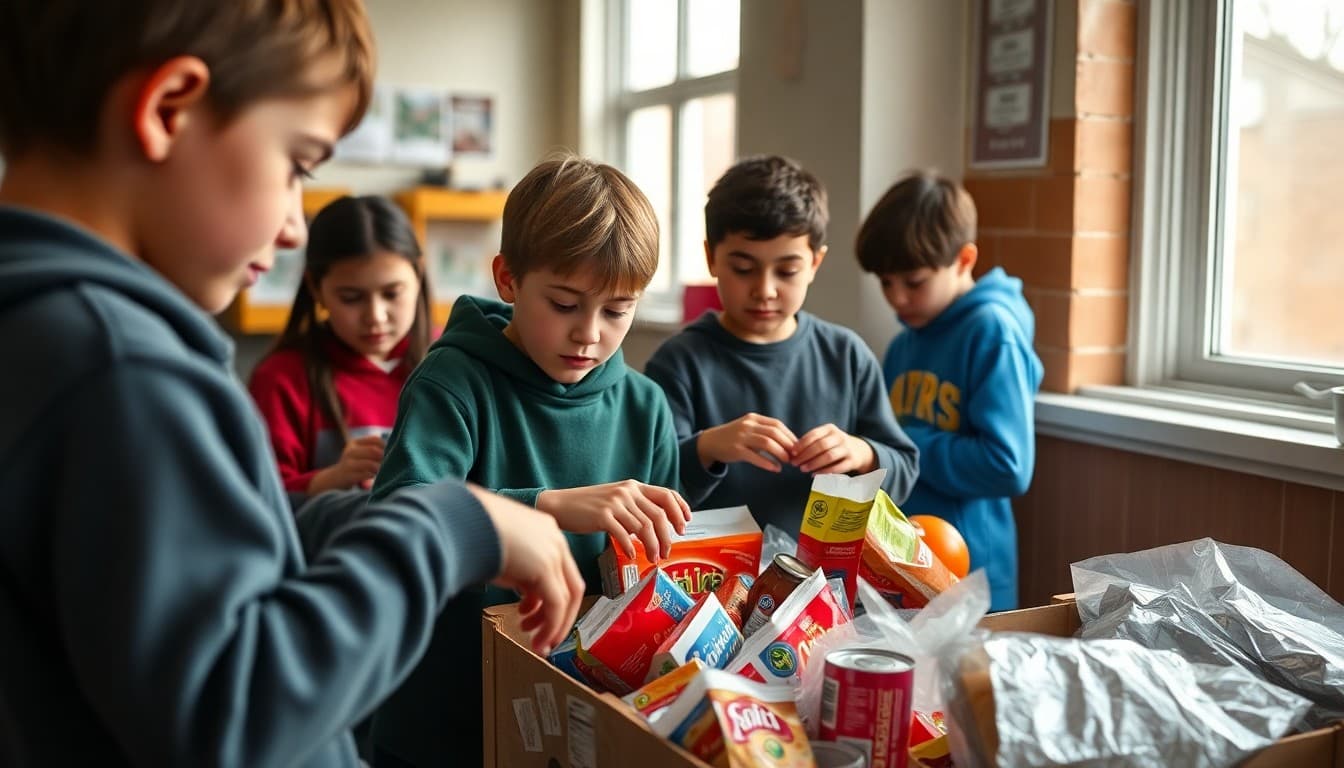
Teacher Newsletter for a Service Learning Unit: Communicating With Families
Service learning is the strongest version of the argument that school is connected to the real world. Students who do meaningful community work and connect it to academic skills develop civic agency, academic engagement, and a sense of purpose that a textbook unit cannot replicate. Your newsletter makes sure families understand what is happening, why it matters, and how they can be part of it.
Explain the Community Need
Start with the problem students identified or that you introduced. What gap or need in the community is this project addressing? Be specific. "Our class identified that the local senior center does not have enough visitors during weekday afternoons" is more compelling than "we are learning about civic responsibility." The specific need is what gives the work meaning and gives families a reason to care beyond the classroom.
Describe What Students Are Doing
Tell families the full scope of the project. What is the service action? What is the timeline? What is the product or outcome? Who is the community partner or recipient? Students who know their work will reach real people approach it differently, and families who understand the scope can support appropriately, including with materials, contacts, or their own time if needed.
Connect to Academic Standards Explicitly
Name the academic skills embedded in the project. Research, writing, presentation, data collection, persuasion, oral communication, mathematical analysis if applicable. "This project addresses seven specific learning objectives across reading, writing, and social studies. The work your child is doing is not separate from academics. It is academics at its most applied." That framing neutralizes any concern that service learning is taking time from "real" school.
Explain the Reflection Component
Reflection is what separates service learning from service. Tell families about the reflection activities: journals, discussion circles, essays, or presentations where students analyze what they learned about themselves, the community, and the issue. "The reflection is where the learning happens. Without it, students do good work without necessarily understanding why it matters or what it taught them. We take reflection as seriously as the service itself."
Give Families a Home Conversation Prompt
Ask families to have one conversation with their child about the community issue this week: "What do you understand about this problem that you did not understand before? What would you want people in our community to know about it? What would you do if you could change one thing?" These questions extend the reflection and help families understand what their child is actually experiencing in the project.
Share Any Logistics Families Need to Know
If the project requires any family action, provide the details clearly. Drive donations by a certain date. Permission slips for off-campus components. Attendance at a culminating presentation. Materials to send in. List each item specifically with the date and format. Logistics buried in a paragraph get missed. A clear list gets handled.
Name What Success Looks Like
Tell families what you are measuring at the end of the project. Not just "did the project help the community," but also: Did students demonstrate growth in the target academic skills? Did they develop a genuine understanding of the community issue? Did their reflection show depth rather than surface-level summary? That standard tells families what actually counts as success in service learning.
Get one newsletter idea every week.
Free. For teachers. No spam.
Frequently asked questions
What should a service learning newsletter include?
Include the community need students identified, the action they are taking, the academic skills the project develops, logistics families need to know about, and how families can support or extend the service work at home.
What is the difference between community service and service learning?
Community service is doing something for the community. Service learning is doing something for the community while explicitly connecting the work to academic content and reflecting on what you learned. Students who rake leaves for elderly neighbors are doing community service. Students who research the demographics of aging in their city, design a service plan, do the work, and write a reflective essay are doing service learning.
How do I explain service learning to families who see it as taking time away from academics?
Be concrete about the standards addressed. Research, writing, presentation, data analysis, and civic reasoning all appear in service learning projects. 'This is not a break from academics. It is academics applied to a real problem. The research skills your child develops planning this project transfer directly to their next research assignment.'
How can families support a service learning project at home?
Ask them to talk about the community issue, donate items if the project involves a drive, attend any public component of the project, and ask the student to explain what they have learned and why it matters. The reflection piece is the heart of service learning. Families who ask reflective questions at home deepen the learning.
Can I send a service learning project update through Daystage?
Yes. Daystage works well here because you can include photos from the service work, describe what students are learning, and add a donation or volunteer component if relevant. You can also use the event block to invite families to a project launch or showcase.

Adi Ackerman
Author
Adi Ackerman is a former classroom teacher and curriculum writer with 8 years in K-8 schools. She writes about school communication, parent engagement, and what actually works in real classrooms.
More for Classroom Teachers
Ready to send your first newsletter?
3 newsletters free. No credit card. First one ready in under 5 minutes.
Get started free