

Teacher Newsletter for Indigenous Peoples Day: Teach History Honestly
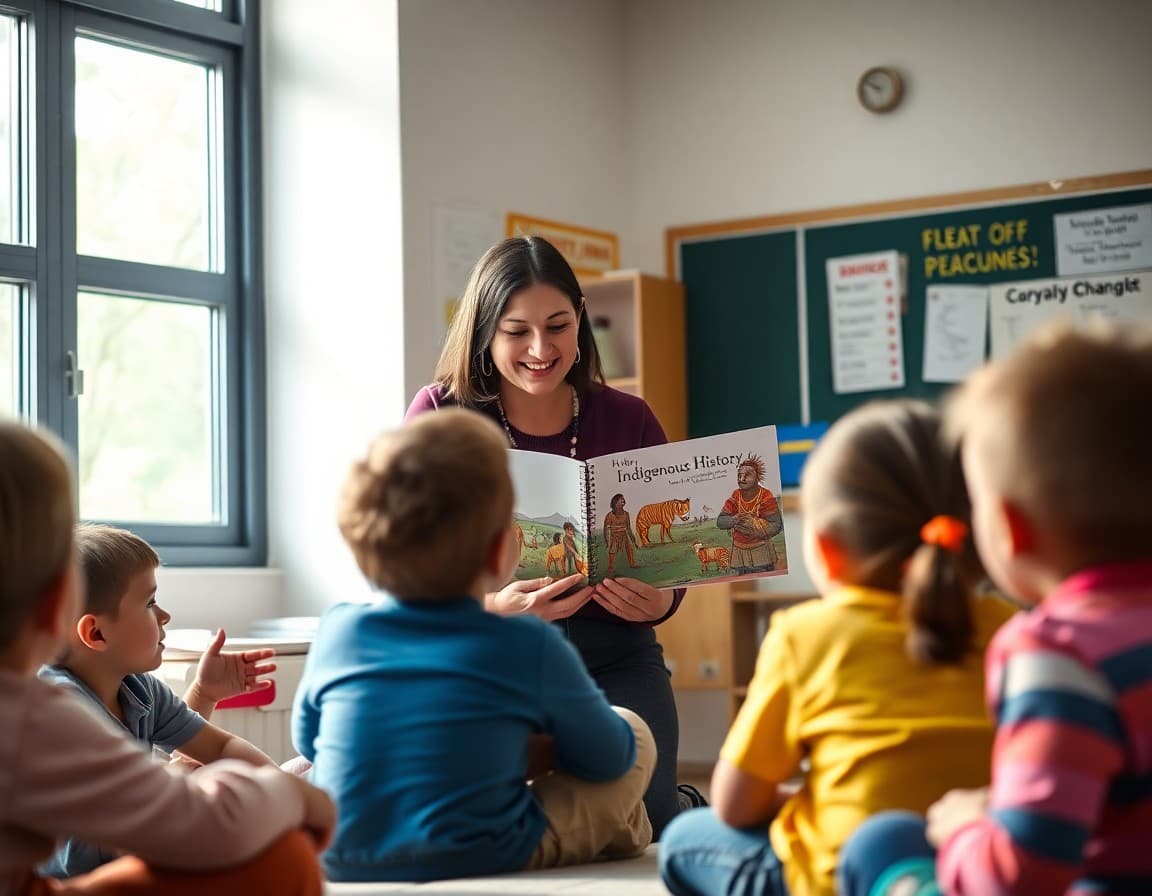
Indigenous Peoples Day invites students to engage with a part of American history that has often been minimized or misrepresented. A newsletter that explains what the class will learn, why it matters, and how families can extend the conversation at home prepares both students and parents for history that is more complex and more honest than what many adults were taught in school.
Explain What Indigenous Peoples Day Recognizes
Indigenous Peoples Day centers the history, cultures, and contributions of the Indigenous peoples of the Americas. Many states and cities have adopted it in place of or alongside Columbus Day to acknowledge a more complete historical record that includes the experience of the people who lived in the Americas long before European contact. A brief explanation of this context helps families understand why the school is observing the day and what lens students will use to approach American history.
Describe What Students Will Learn
Name the specific topics your class will explore: the diversity of Indigenous cultures across the Americas, the traditional practices and ways of life of specific nations, the impact of colonization, the history of forced relocation and its ongoing effects, and the fact that Indigenous communities are living and thriving today. Students often encounter Indigenous history only in the past tense. Learning that Indigenous cultures are contemporary and continuing is a significant part of accurate historical education.
Use Specific Nations, Not Generalizations
Let families know that the classroom uses specific tribal names rather than generic terms. There is no single Indigenous culture. The Cherokee, the Lakota, the Haudenosaunee, the Navajo Nation, and hundreds of other communities have distinct histories, languages, and practices. Naming specific nations teaches students historical accuracy and respect simultaneously.
Suggest Books and Resources
Recommend two or three books by Indigenous authors that families can read at home. Picture books for younger students, middle-grade novels, and nonfiction titles by Indigenous writers bring accurate voices into the conversation. Families who read alongside the school unit reinforce the learning and demonstrate that the history is worth taking seriously.
Acknowledge That the History Is Complex
Some of what students will learn about colonization and the treatment of Indigenous peoples is difficult. Let families know that the classroom handles this age-appropriately: with honesty, with care, and with an emphasis on resilience alongside hardship. Students who come home with questions deserve parents who are prepared to engage with those questions rather than redirect them.
Connect to Current Indigenous Communities
End the newsletter with a note about contemporary Indigenous life. There are more than 570 federally recognized tribes in the United States. Indigenous artists, writers, scientists, athletes, and public servants are active in every field. Using Daystage, you can close the newsletter by naming a contemporary Indigenous figure students will learn about, which grounds the history in the present and makes the whole lesson more meaningful.
Get one newsletter idea every week.
Free. For teachers. No spam.
Frequently asked questions
What should an Indigenous Peoples Day newsletter cover?
Explain what Indigenous Peoples Day recognizes and why the holiday has significance, describe what students will learn in class, suggest books and resources families can use at home, and acknowledge that the history is complex and sometimes difficult but important to understand.
How do I explain the difference between Indigenous Peoples Day and Columbus Day?
Columbus Day traditionally marked Christopher Columbus's 1492 arrival in the Americas. Indigenous Peoples Day, observed by many states and cities instead of or alongside Columbus Day, centers the experience and cultures of the Indigenous peoples who already lived in the Americas before European contact. Many communities have shifted to Indigenous Peoples Day to acknowledge a more complete and accurate historical picture.
What is age-appropriate to teach about Indigenous history?
Elementary students can learn about the diversity of Native American cultures, traditional practices, and contemporary Indigenous communities. Middle schoolers can engage with the history of colonization, forced relocation, and the ongoing resilience of Indigenous peoples. Both age groups benefit from learning that Indigenous cultures are living and present today, not only historical.
How do I avoid stereotyping in Indigenous history lessons?
Use specific tribal names rather than generic terms like "Indians" or "Native Americans" when discussing specific nations. Present Indigenous peoples as diverse, contemporary, and continuing rather than as a single historical group. Use books and resources by Indigenous authors and from Indigenous publishers whenever possible.
What tool helps teachers send newsletters efficiently?
Daystage makes Indigenous Peoples Day newsletters clear and informative so every family understands what their child is learning and why the history matters, well before the school day begins.

Adi Ackerman
Author
Adi Ackerman is a former classroom teacher and curriculum writer with 8 years in K-8 schools. She writes about school communication, parent engagement, and what actually works in real classrooms.
More for Classroom Teachers
Teacher Newsletter for Cultural Holidays: Celebrate Diversity in the Classroom
Classroom Teachers · 6 min read
Teacher Newsletter for Cultural Competency Units in Your Classroom
Classroom Teachers · 6 min read
Teacher Newsletter for Day of the Dead: Honor the Tradition Respectfully
Classroom Teachers · 6 min read
Ready to send your first newsletter?
3 newsletters free. No credit card. First one ready in under 5 minutes.
Get started free