
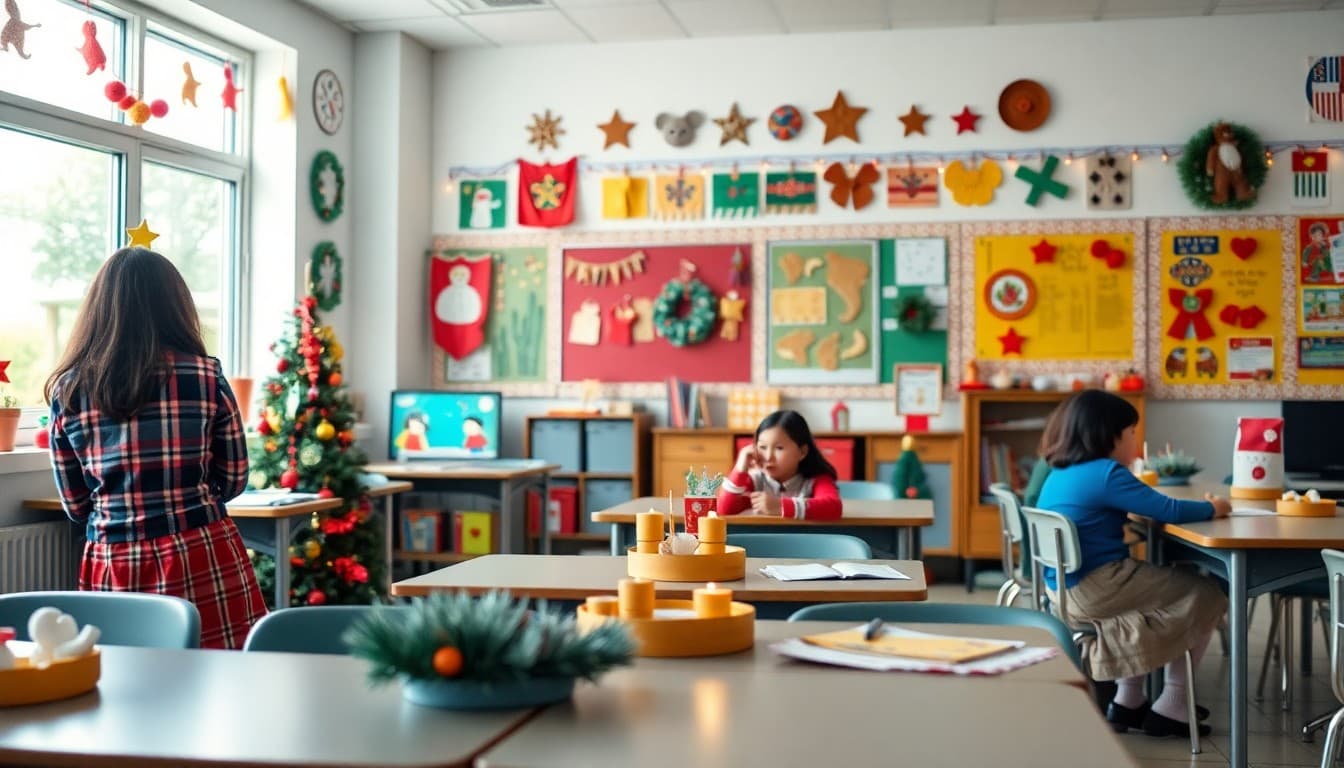
Teacher Newsletter for Cultural Holidays: Celebrate Diversity in the Classroom
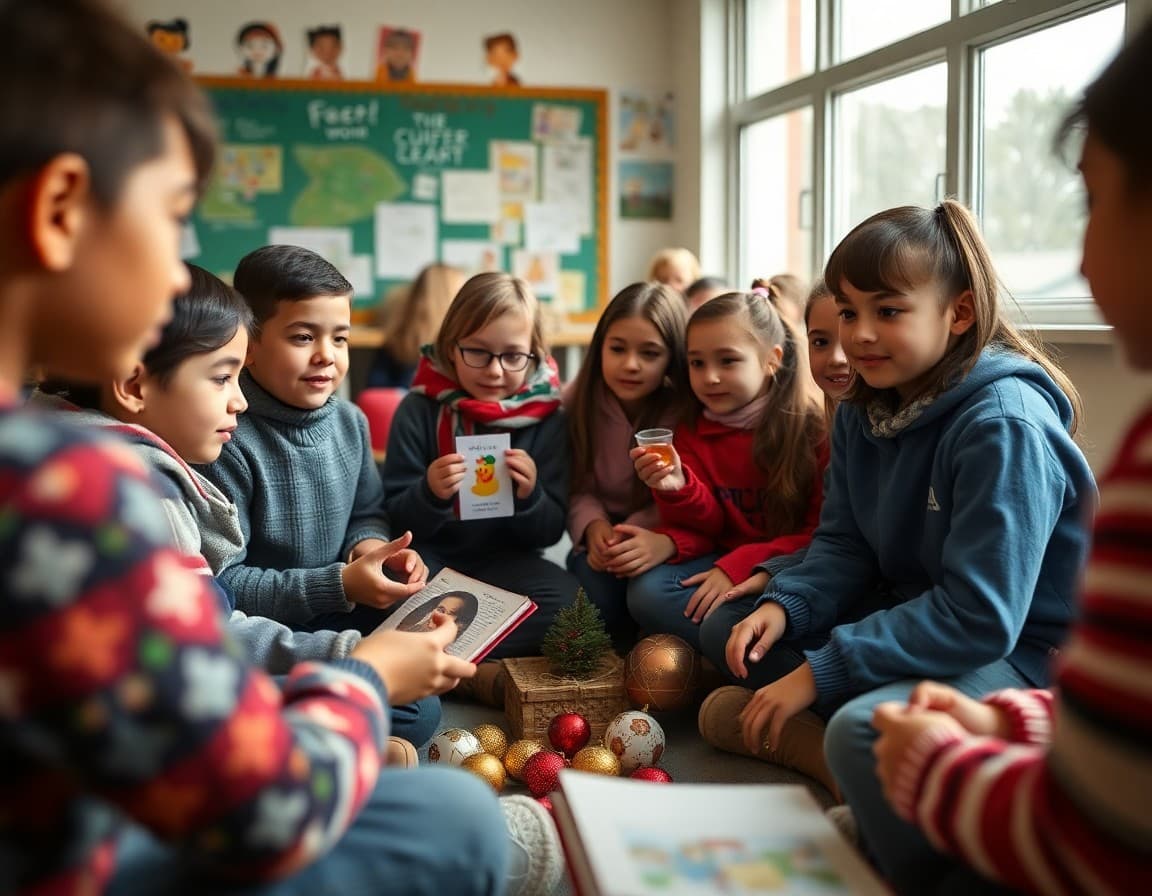
Cultural holidays are one of the richest entry points into the kind of learning that genuinely broadens students' worldviews. A newsletter that introduces upcoming celebrations, invites families to share their traditions, and sets expectations for how the class will engage with cultural diversity builds something real rather than decorating a bulletin board and calling it multicultural education.
Name the Upcoming Celebrations
Open the newsletter with a calendar of cultural and religious celebrations coming up in the next month or two that are relevant to your classroom community or your curriculum. Include brief descriptions: what the holiday is, who observes it, and what it marks. A sentence or two per celebration gives students and families a starting point for genuine curiosity rather than a vague awareness that a holiday exists.
Invite Families to Share Their Traditions
Some families will want to share their cultural celebrations with the classroom; others will prefer privacy. Invite both responses as equally valid. If your family observes a cultural holiday you would like to share with the class, please reach out and we can find a way to include your tradition. If you prefer to keep your observance private, that is entirely respected. The invitation is what matters; the acceptance is optional.
Explain How Cultural Learning Happens in Class
Give families a picture of what cultural holiday learning looks like in your classroom: a brief informational read-aloud, a class discussion, an artifact or photo shared by a family member, a book from the classroom library. Parents whose children come home with questions about unfamiliar holidays benefit from knowing the classroom context in which they encountered the topic.
Address Respectful Curiosity
Students in the class will have different levels of familiarity with different celebrations. Students who observe a holiday may be asked questions by classmates who are genuinely curious but not always tactful. The newsletter can give families language to help their child handle that situation: you can share what you want to share and keep private what you want to keep private. Questions from classmates are usually curiosity, not criticism.
Connect Cultural Holidays to Academic Learning
Cultural holidays do not have to stand apart from the curriculum. Harvest festivals connect to social studies units on agriculture and trade. New Year celebrations across cultures connect to geography and history. Religious holiday calendars connect to the mathematics of lunar and solar cycles. Naming these connections in the newsletter helps families see cultural learning as part of the curriculum, not a pause from it.
Close with an Invitation to Build Community
Cultural holiday learning is most powerful when it builds real relationships between families rather than just providing information about other cultures. Using Daystage, you can close the newsletter with a specific invitation: a classroom cultural celebration, a family share fair, or a simple request for families to send in a photo of their holiday traditions. Community is built through specific invitations, not general statements of welcome.
Get one newsletter idea every week.
Free. For teachers. No spam.
Frequently asked questions
What should a cultural holidays newsletter cover?
Name the upcoming cultural celebrations relevant to your classroom community, invite families to share their traditions if they are willing, explain how cultural learning will happen in the classroom, and set expectations for respectful curiosity among students.
How do I ensure cultural holiday coverage is not performative?
Invite families to lead or contribute to any classroom learning rather than relying entirely on outside resources or your own interpretation. Let families decide how much they want to share and in what form. Follow their lead on accuracy. Cultural learning built with the community is more authentic than a curated display.
What if a family does not celebrate the holiday you are covering?
Cultural holiday learning is educational, not devotional. A student whose family does not observe Diwali can still learn what Diwali is, why it is significant, and how families who observe it celebrate. The goal is cultural awareness, not participation.
How do I handle requests to bring food for cultural celebrations?
If families want to bring food related to a cultural holiday, coordinate in advance for allergy awareness, serving logistics, and timing. Food is often a meaningful entry point into cultural learning, but the newsletter should note that sharing a tradition is optional, not expected.
What tool helps teachers send newsletters efficiently?
Daystage makes cultural holiday newsletters visually engaging with images, a calendar of upcoming celebrations, and family invitation sections all in one polished message.

Adi Ackerman
Author
Adi Ackerman is a former classroom teacher and curriculum writer with 8 years in K-8 schools. She writes about school communication, parent engagement, and what actually works in real classrooms.
More for Classroom Teachers
Teacher Newsletter for Religious Holidays: Communicate Absence Policies Respectfully
Classroom Teachers · 6 min read
Teacher Newsletter for Cultural Competency Units in Your Classroom
Classroom Teachers · 6 min read
Teacher Newsletter for Eid in the Classroom: Celebrate with Respect
Classroom Teachers · 6 min read
Ready to send your first newsletter?
3 newsletters free. No credit card. First one ready in under 5 minutes.
Get started free