
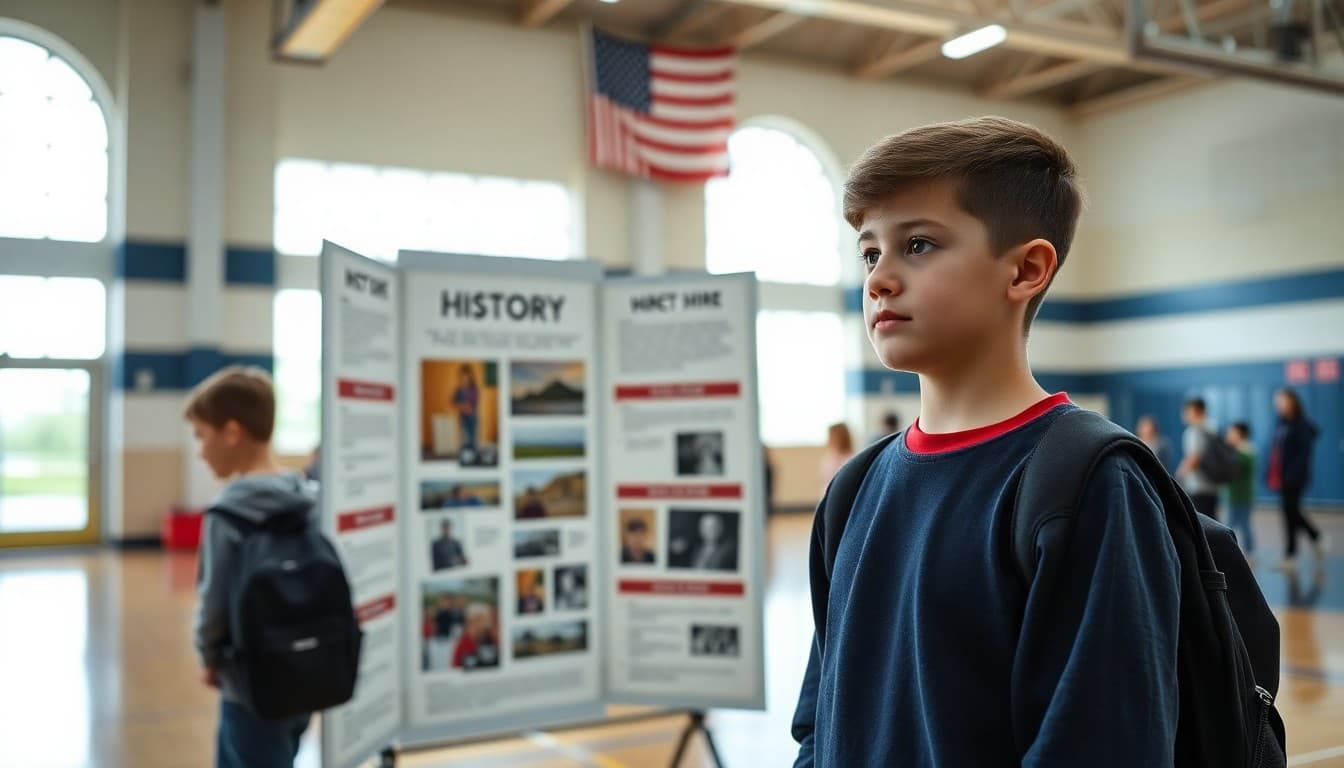
Teacher Newsletter for History Fair: What to Tell Parents and When
History fair is one of those projects that generates more parent questions than almost anything else you do all year. The scope is large, the timeline is long, and the connection to home is obvious enough that parents feel involved whether you invite them to be or not. A clear newsletter strategy from kickoff to exhibition day reduces the confusion, sets the right parent boundaries, and builds genuine excitement for a project that deserves it.
Send a kickoff newsletter the day you introduce the project
Do not wait for parents to ask. The day you introduce history fair to students, send a newsletter home that covers the essentials: the theme, what category options are available, the timeline, and the criteria for judging. When parents hear about the project from their student first, they come in with half the information and a lot of questions. When they receive your newsletter the same evening, they already have context.
Define the parent role explicitly
History fair is one of the few projects where parent over-involvement is a real problem. State your expectations clearly. Parents can help their student brainstorm topics, find books at the library, and proofread for spelling. They should not write sections, design layouts, or direct the argument. When you put this in writing, most parents comply and appreciate the clarity.
Share the project timeline in a visual, scannable format
A paragraph of due dates is hard to track. A simple list or table with dates and deliverables is far more useful for busy families. Include: topic selection due, annotated bibliography due, rough draft or outline due, final project due, and presentation date. Families who can see the whole arc plan better and nag less.
Explain what good research looks like at this level
Many parents learned to research by using encyclopedias. Their instinct is to point students toward Wikipedia or the top Google result. Use your newsletter to explain what primary and secondary sources are, why the distinction matters, and where students can find quality resources. A short list of databases or library tools your school provides is worth including.
Send a mid-project check-in newsletter
Somewhere around the research-to-draft transition, send a progress newsletter. Tell parents where students should be, what common struggles look like at this stage, and how you are supporting students in class. This is also the right moment to remind families of the parent involvement boundaries, since this is usually when well-meaning parents start to step in more than they should.
Prepare parents for exhibition day
A week before the fair, send logistics: location, schedule, how judging works, and what parents should say to students before and after. Coaching parents on how to ask about the project rather than just evaluating the display board makes a real difference in how students experience the day.
Close with what students actually learned
After the fair, send a brief reflection newsletter. Name the research skills students built, the arguments they made, and the experience of presenting to judges. Do not make the final newsletter entirely about who advanced to the next level. The majority of students who did not advance still did something significant and deserve acknowledgment for it.
Get one newsletter idea every week.
Free. For teachers. No spam.
Frequently asked questions
What should I cover in a history fair kickoff newsletter?
Cover the theme, the project categories available, the timeline with key deadlines, what students are expected to produce, and what the judging criteria are. Include a clear statement about what parent involvement should and should not look like. This is the newsletter that prevents the most problems.
How do I handle parents who do too much of the project?
Address it in your newsletter before it happens. State clearly that student work must be the student's own, that judges can tell the difference, and that a project that exceeds expectations but reflects parent rather than student thinking actually puts the student at a disadvantage in terms of learning and sometimes scoring.
Should I send progress newsletters during the research phase?
Yes, at least one. Let parents know where students should be in the process, common sticking points at this stage, and how to help without taking over. A mid-process newsletter prevents both panic from behind-schedule students and over-involvement from over-eager parents.
How do I communicate history fair requirements without overwhelming parents?
Break requirements into phases. In the kickoff newsletter, cover the overview. In subsequent newsletters, go deeper on whichever phase is current. Parents do not need every requirement at once, and overwhelming them in the first email leads to them tuning out.
Can Daystage help me send history fair newsletters at the right intervals?
Yes. You can write all your history fair newsletters at once, then schedule them to go out at the right points in the project timeline. Daystage handles the delivery so you can focus on teaching.

Adi Ackerman
Author
Adi Ackerman is a former classroom teacher and curriculum writer with 8 years in K-8 schools. She writes about school communication, parent engagement, and what actually works in real classrooms.
More for Classroom Teachers
Teacher Newsletter for Primary Sources: Helping Families Understand Historical Evidence
Classroom Teachers · 6 min read
Teacher Newsletter for Timelines: How to Explain This History Skill to Families
Classroom Teachers · 6 min read
Teacher Newsletter for Informational Writing: What Families Should Know
Classroom Teachers · 6 min read
Ready to send your first newsletter?
3 newsletters free. No credit card. First one ready in under 5 minutes.
Get started free