

Teacher Newsletter for Informational Writing: What Families Should Know
Informational writing is the genre students will use most throughout their academic and professional lives. Lab reports, research papers, proposals, manuals, and news articles are all informational writing. The unit you are teaching right now is laying the structural and research foundation for all of that. A newsletter that frames the unit this way helps parents understand why it deserves serious attention and sustained effort, not just a rushed report submitted the night before it is due.
Define informational writing clearly
Informational writing teaches the reader something by presenting factual, organized content. Unlike personal narrative, it is not about the writer's experience. Unlike argumentative writing, it is not about convincing the reader of a position. It is about organizing and communicating what is known about a topic in a way that is clear, accurate, and useful. Most parents will recognize this as the kind of writing they do at work.
Explain the specific topics students are writing about
Tell families what topics students have chosen or been assigned. If students selected their own topics, let parents know the range and the selection process. When families know the specific topic, they can have real conversations about it, suggest additional sources, and show genuine curiosity about what their student is learning. This turns the writing unit into a dinner table subject rather than an invisible school task.
Walk parents through the organizational structure
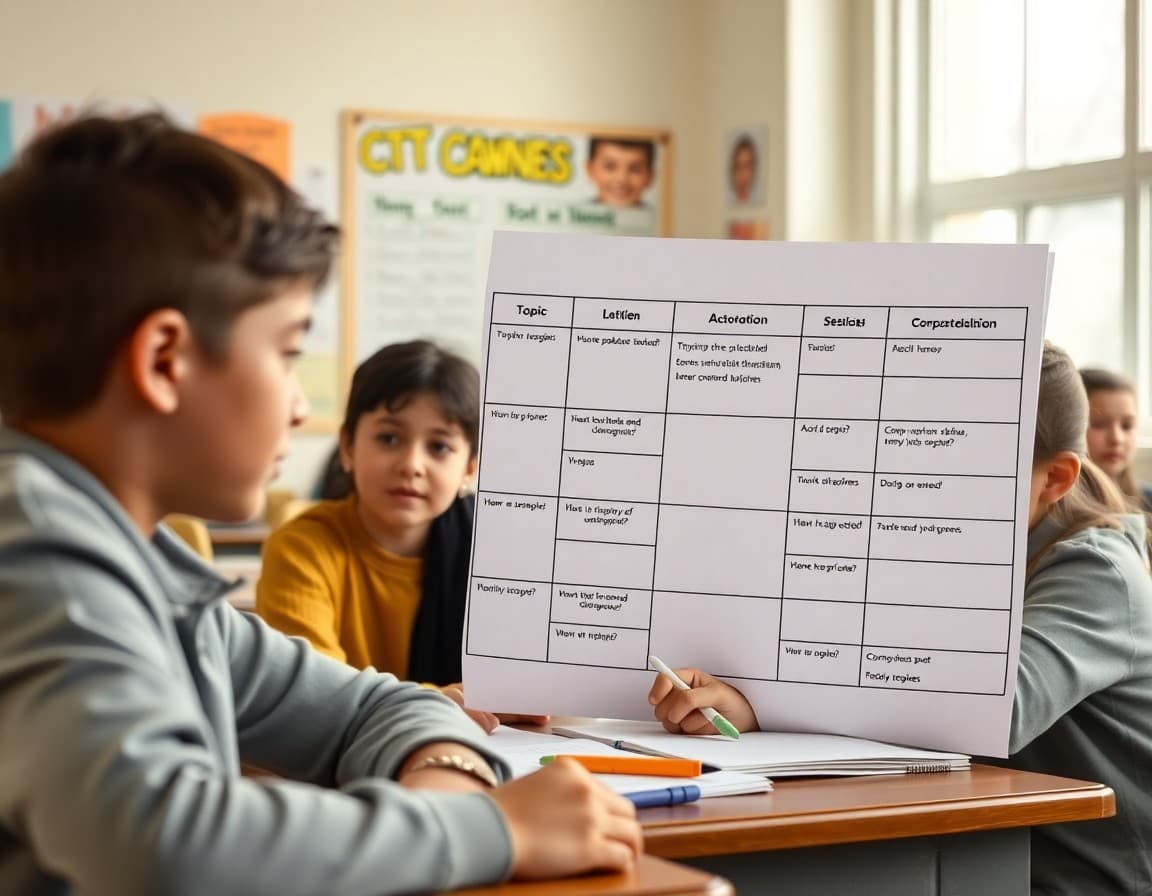
Informational writing has a predictable structure: an introduction that establishes the topic and previews the content, body paragraphs or sections organized by subtopic, and a conclusion that synthesizes the main ideas. Many students learn this structure through a graphic organizer. If you use a specific organizer, share what it looks like so parents can help their student fill it in correctly rather than guessing.
Explain the research component
Most informational writing units include a research phase. Tell parents how students are expected to find information, what sources are approved, and how they should take notes. The single most important home support you can ask for here is discouraging copy-paste research. Students who read a paragraph, close the book, and write what they remember are learning to synthesize. Students who copy sentences are not.
Share the timeline and key milestones
A research done date, a rough draft date, a revision date, and a publishing date: list them. If students are going to publish or share their writing in some form, mention that at the start. Students who know their writing will have a real audience write differently than students who know only their teacher will read it.
Describe the language features of informational writing
Domain-specific vocabulary, precise language, third-person perspective, and transition words that signal structure: these are the language features that make informational writing effective. Share one or two that you are specifically teaching this week. Parents who know what their student is practicing can listen for it at home and acknowledge it when they hear it.
Close with the publishing plan
If students are publishing their work as a class book, a digital document, a hallway display, or a presentation, tell families. The prospect of a real audience changes everything about how students approach revision. It also gives parents something to look forward to and a reason to celebrate the finished work as more than just an assignment.
Get one newsletter idea every week.
Free. For teachers. No spam.
Frequently asked questions
What should I cover in an informational writing newsletter?
Explain what informational writing is, what topics students are writing about, what structure they are learning, how the research component works, the timeline and due dates, and what parents can do to support topic exploration and drafting at home.
How is informational writing different from a book report?
A book report summarizes what you read. Informational writing teaches the reader something by organizing factual content under clear headings, using domain-specific vocabulary, and presenting information that the writer has synthesized from multiple sources. The writer is the expert sharing knowledge, not a student reporting on a text.
How can families help with informational writing research at home?
Point students to reliable sources: library books, approved websites, educational databases. Help them take notes rather than copying sentences. Ask them to explain what they found in their own words before they write it. These habits build the research and synthesis skills the writing unit targets.
Should families proofread informational writing drafts?
Yes, but only at the level of a reader: does this make sense? Is anything confusing? Does the information feel accurate? Leave the formatting, sentence revision, and structural decisions to the student and the classroom. Proofreading for meaning is appropriate. Rewriting is not.
How does Daystage help me keep families updated through a multi-week writing unit?
Daystage lets you send organized, well-formatted newsletters throughout the unit. You can share a current topic list, a sample organizer, or a student excerpt all in the same newsletter, keeping the update informative and engaging.

Adi Ackerman
Author
Adi Ackerman is a former classroom teacher and curriculum writer with 8 years in K-8 schools. She writes about school communication, parent engagement, and what actually works in real classrooms.
More for Classroom Teachers
Teacher Newsletter for Essay Unit: Preparing Families for the Writing Process
Classroom Teachers · 6 min read
Teacher Newsletter for Nonfiction Unit: Helping Families Support Informational Reading
Classroom Teachers · 6 min read
Teacher Newsletter for Citing Sources: What Families Need to Know
Classroom Teachers · 6 min read
Ready to send your first newsletter?
3 newsletters free. No credit card. First one ready in under 5 minutes.
Get started free