
Teacher Newsletter for Primary Sources: Helping Families Understand Historical Evidence
Teaching students to analyze primary sources is one of the most transformative things history teachers do. It shifts history from a story received from a textbook to a discipline built from evidence. Students who learn to question who created a document, why they created it, and what it tells us about a moment in time are developing exactly the critical thinking the world requires. Your newsletter can bring that work home in a way that makes families feel like participants rather than spectators.
Define primary and secondary sources with concrete examples
A primary source was created at the time of the event by someone with direct knowledge of it: a letter, a photograph, a newspaper from the day an event happened, a speech, a court document, a tool. A secondary source interprets or analyzes primary sources: textbooks, biographies, and documentaries. The distinction matters because students need to know what kind of evidence they are working with and how to treat it. Concrete examples in the newsletter make this clear without requiring a lecture.
Describe the specific sources students are working with
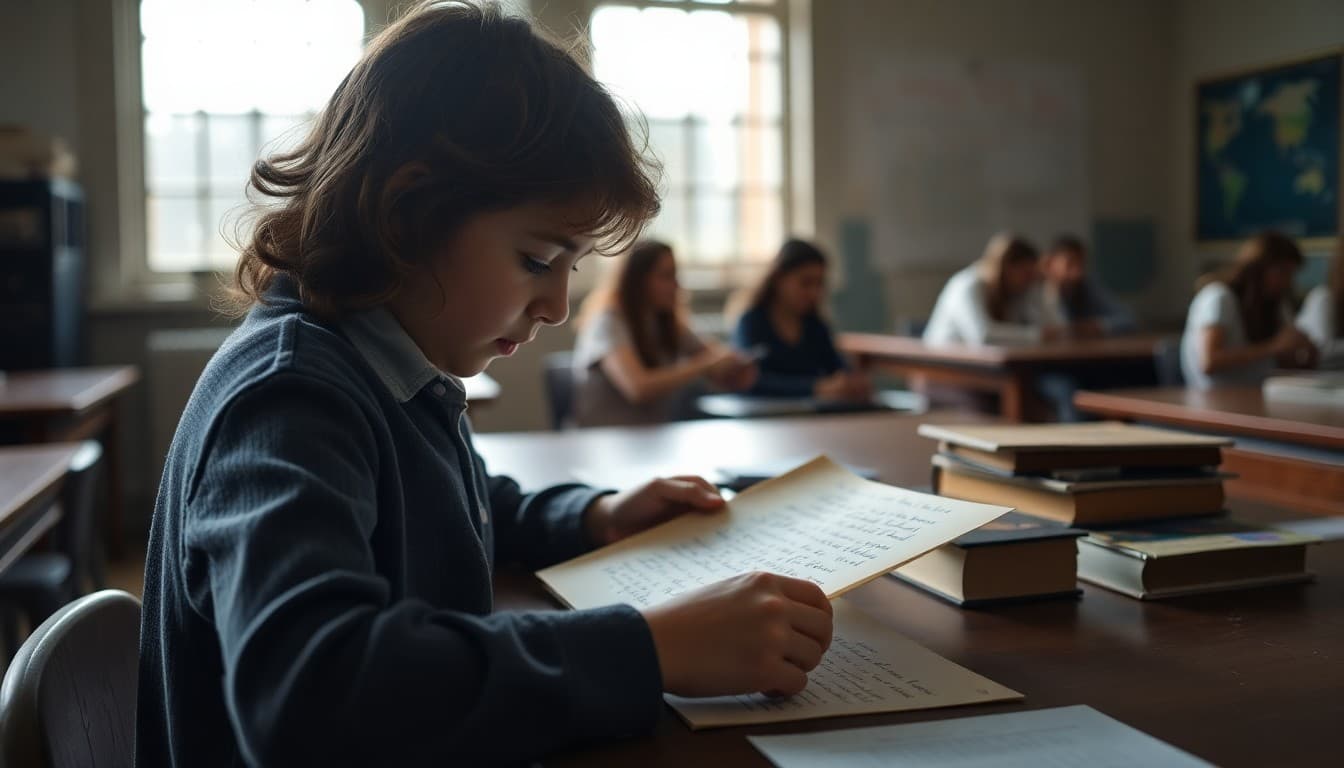
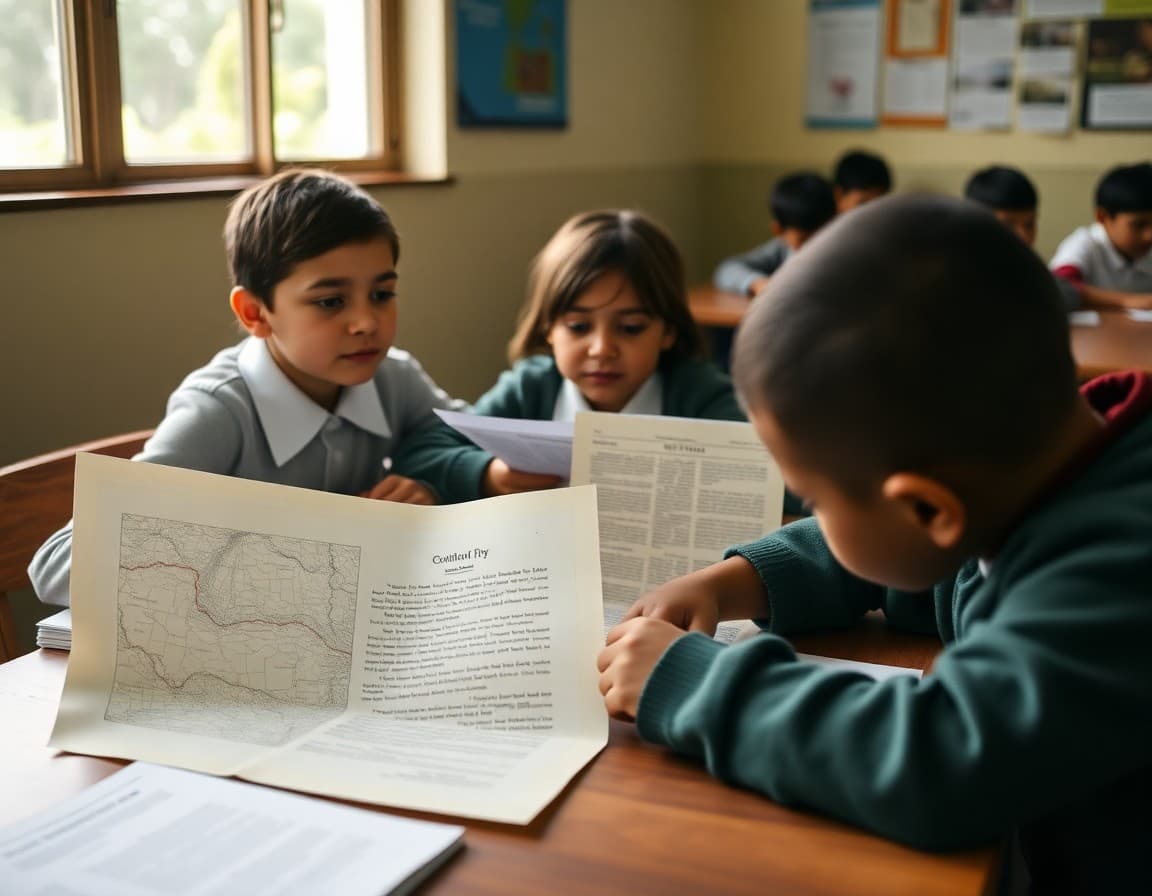
Tell families what sources the class is analyzing. A photograph from a specific decade, an excerpt from a historical speech, a political cartoon: naming the actual materials gives families something to discuss with their student. If you can share a public domain image of one, include it. Parents who see what students are looking at can ask much better questions.
Name the analysis moves you are teaching
Primary source analysis is a learnable skill with specific steps. Students learn to observe before they interpret, to identify the creator and their perspective, to consider the context in which the source was made, and to compare it with other sources. These are transferable thinking moves. When parents know what steps you are teaching, they can practice them in conversation at home.
Connect primary sources to the family's own history
Every family has primary sources: photographs, letters, objects, and documents. Suggest that families look through a box of old photos or ask a grandparent about a kept letter or document. "This photograph of our family from 1980 is a primary source for what life was like then. What can you observe in it?" This activity brings the classroom skill directly into the household.
Explain why this work matters beyond history class
The ability to evaluate the source of information, consider who created it and why, and compare it against other sources is a media literacy skill as much as a history skill. Students who learn primary source analysis in history class are building the same critical thinking that helps them evaluate a news article or a social media post. That connection is worth making in the newsletter.
Recommend the Library of Congress for home exploration
The Library of Congress digital collections at loc.gov are free, accessible, and extraordinary. Students can browse photographs, maps, letters, and recordings from across American history. If your class is studying a specific era or topic, recommend a collection that connects to it. Families who explore these together are doing genuine historical thinking at home.
Close with a reflection question for the dinner table
Give families one question to ask their student about the sources they have been analyzing. "What did you learn from the source that you would not have found in a textbook?" This question gets at the heart of primary source analysis and produces a better conversation than "what did you do in history today?"
Get one newsletter idea every week.
Free. For teachers. No spam.
Frequently asked questions
What is a primary source and how do I explain it to parents?
A primary source is any document, artifact, photograph, letter, map, or recording created at the time of the event being studied by someone who was there. Diaries, original newspaper articles, speeches, photographs, and official documents are all primary sources. A textbook is not. It is a secondary source that interprets primary sources.
Why do students need to analyze primary sources rather than just reading about history?
Primary sources teach students that history is constructed from evidence, not received as fact. When students read a soldier's letter or examine a political cartoon, they are doing the actual work of historical thinking: observing, questioning, contextualizing, and drawing conclusions from evidence.
What primary source analysis skills are students learning?
Observation, context-setting, sourcing (who created this and why), corroboration (comparing this with other sources), and making inferences. These are the same skills used in any evidence-based analysis. Your newsletter should name them so parents can ask about them.
How can families explore primary sources at home?
The Library of Congress has a free online collection of photographs, documents, and maps. Older family members can share personal documents, letters, or photographs that function as primary sources for family history. Both options extend the skill into real-world practice.
Can Daystage help me include images of primary sources in my classroom newsletter?
Yes. Daystage supports image uploads, so you can include a public domain photograph or document excerpt directly in the newsletter to give families a concrete example of what students are analyzing.

Adi Ackerman
Author
Adi Ackerman is a former classroom teacher and curriculum writer with 8 years in K-8 schools. She writes about school communication, parent engagement, and what actually works in real classrooms.
More for Classroom Teachers
Teacher Newsletter for History Fair: What to Tell Parents and When
Classroom Teachers · 6 min read
Teacher Newsletter for Timelines: How to Explain This History Skill to Families
Classroom Teachers · 6 min read
Teacher Newsletter for Current Events Friday: Building News Literacy With Families
Classroom Teachers · 6 min read
Ready to send your first newsletter?
3 newsletters free. No credit card. First one ready in under 5 minutes.
Get started free