
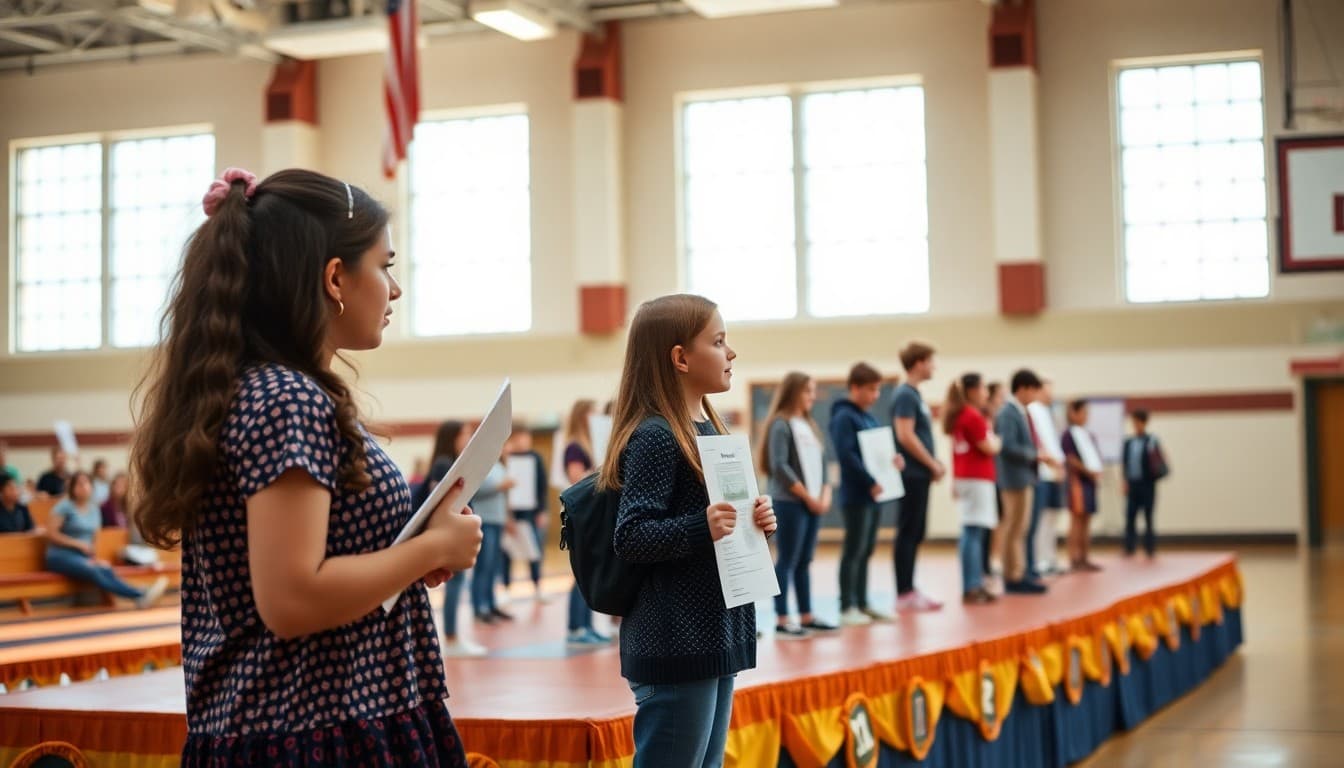
Teacher Newsletter for History Day Results: Celebrate Student Research

History Day asks students to do something genuinely difficult: identify a historical question worth investigating, locate and analyze primary sources, build an argument, and present their findings to judges who know the subject. A results newsletter that only covers who advanced misses the depth of what every student accomplished. Lead with the work before you announce the outcomes.
Honor the Research Every Student Did
Open the newsletter by naming the work directly. Students selected a historical topic, located primary and secondary sources, evaluated the reliability of those sources, developed a historical argument, and presented their conclusions in a competition setting. That is a college-level research process executed by elementary or middle school students. Say so before announcing any placement.
Explain the Judging Criteria
History Day judges evaluate how well a project makes and supports a historical argument, how thoroughly the student researched the topic, how clearly the project connects to the annual theme, and how effectively the student presents the work. A project that scores lower than expected may have a compelling topic but a less developed argument. Families who understand what judges look for can help their child grow from the feedback rather than reacting to the placement alone.
Name the Award Winners
Announce first, second, and third place in each category, as well as any special awards or honorable mentions. Include the student's name and project title with their permission and a brief description of the historical topic they investigated. A sentence about what made each winning project strong gives context beyond the ribbon.
Recognize Projects Worth Calling Out
Several projects may not have placed but demonstrated exceptional primary source use, original research, or a particularly nuanced historical argument. Naming one or two of those projects tells students that quality of thinking is recognized beyond the competition structure. It also validates the students who put significant work into a project that the judging day did not reward.
Announce Students Advancing
If students are advancing to a regional, state, or national competition, announce that clearly and give families the logistics they need: next competition date, location, what preparation the student should do between now and then, and whether parent support or transportation is needed. Students who advance deserve a clear picture of what comes next.
Close with What the Class Learned
History Day teaches historical thinking, research skills, argument construction, and presentation under pressure. Those skills transfer to every class, every research paper, and every situation where a student needs to evaluate evidence and make a case. Using Daystage, you can close the newsletter with a genuine summary of what students learned from the process and what you will build on next in social studies and research writing.
Get one newsletter idea every week.
Free. For teachers. No spam.
Frequently asked questions
What should a History Day results newsletter include?
Acknowledge every student who participated, explain the judging criteria, name award winners with their permission, highlight one or two projects for their research quality regardless of placement, and explain what students are advancing to the next level of competition.
How do I frame results for students who did not advance?
Emphasize that History Day evaluates a specific set of skills under competition conditions, not the quality of the student as a historian. Many strong projects do not advance. What students learned about historical research, primary sources, and argument construction transfers regardless of outcome.
What do History Day judges evaluate?
Judges typically assess historical argument (does the project make a clear, supported claim?), research quality (were primary and secondary sources used?), relation to the annual theme, presentation quality, and historical significance of the topic. A brief explanation of these criteria in the newsletter helps families interpret results.
What project categories are typical for History Day?
National History Day categories include individual and group papers, exhibits, documentaries, performances, and websites. Each category has its own standards. Your newsletter can name the categories your class entered and describe what strong work in each category looks like.
What tool helps teachers send newsletters efficiently?
Daystage makes History Day results newsletters easy to produce with photos from the event, award announcements, and project highlights all in one polished message that reaches every family the same day results are available.

Adi Ackerman
Author
Adi Ackerman is a former classroom teacher and curriculum writer with 8 years in K-8 schools. She writes about school communication, parent engagement, and what actually works in real classrooms.
More for Classroom Teachers
Ready to send your first newsletter?
3 newsletters free. No credit card. First one ready in under 5 minutes.
Get started free