
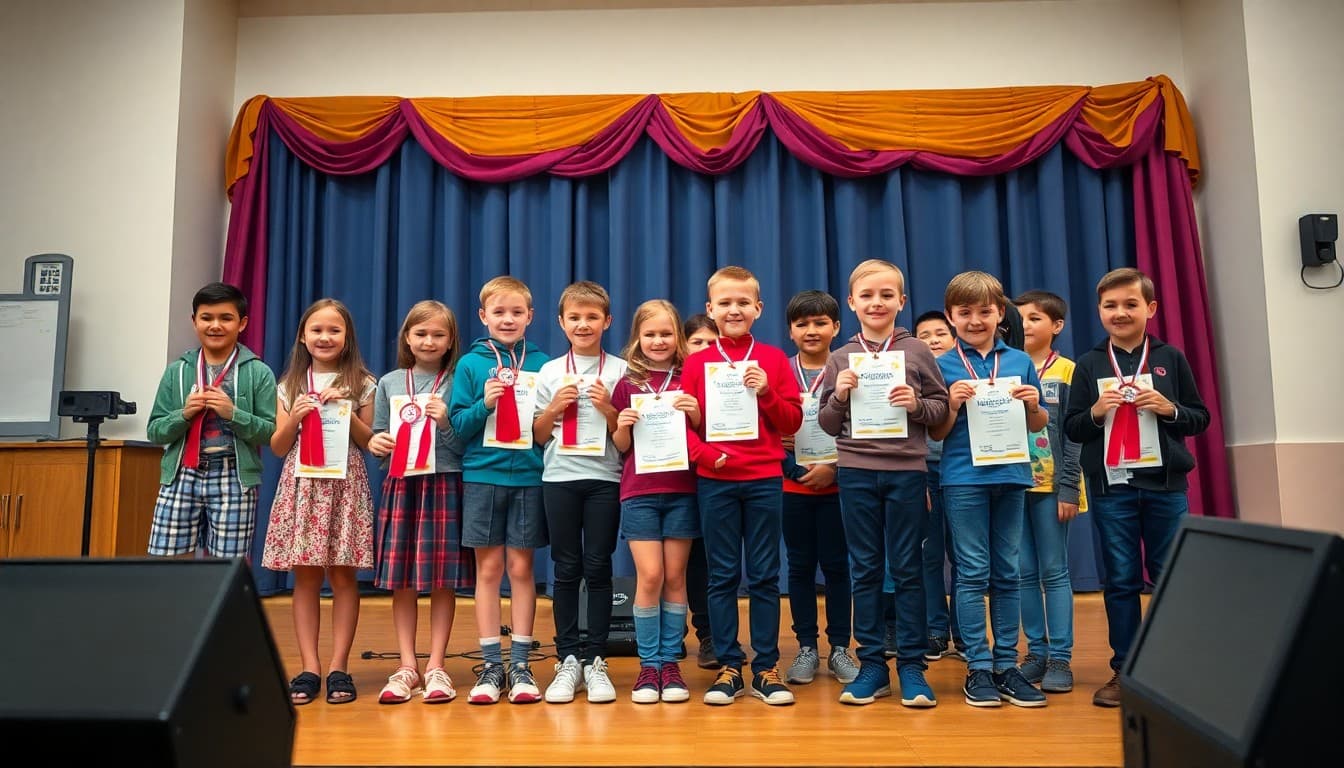
Teacher Newsletter for Science Fair Results: Celebrate Every Student
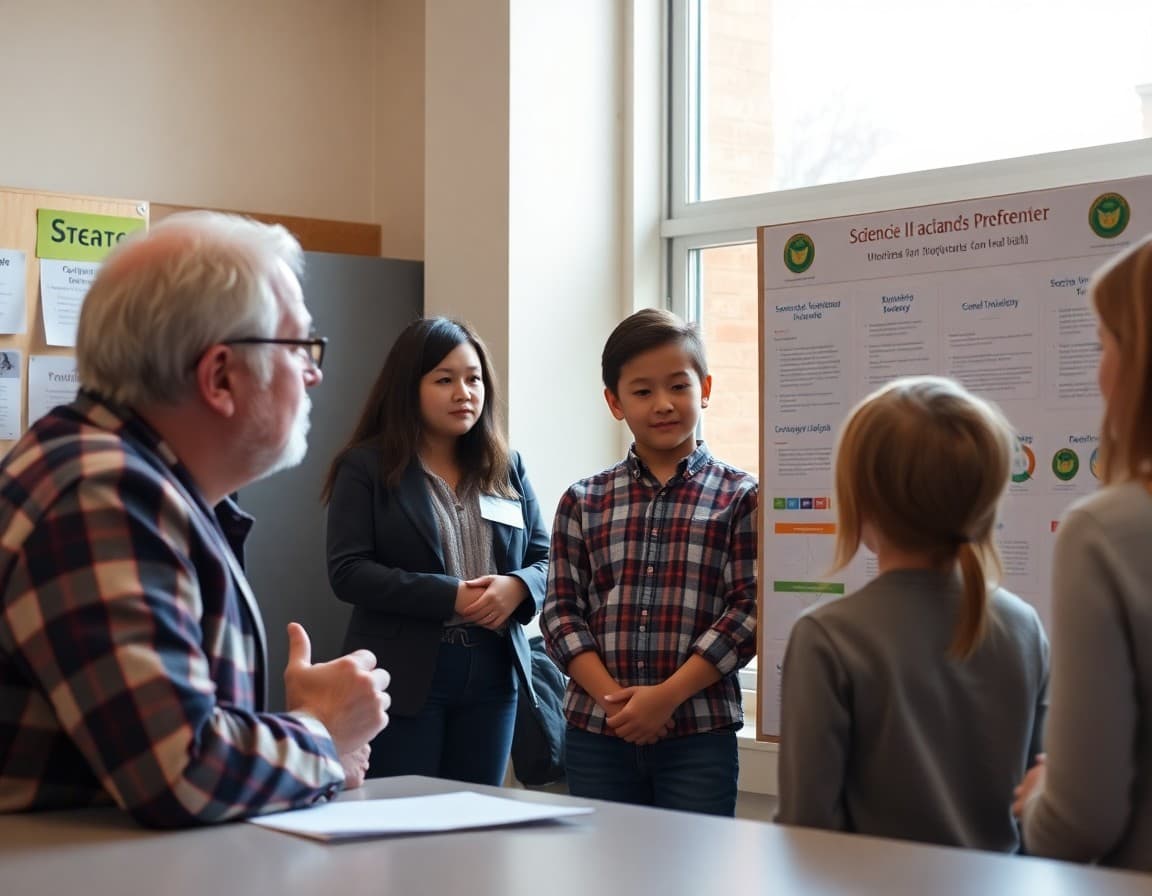
The science fair results newsletter has two jobs: celebrate the students who placed, and honor every student who participated. A newsletter that only covers winners ignores the vast majority of the scientific work your class produced. A newsletter that frames the science fair as a learning experience for everyone reflects the actual purpose of the event.
Thank Everyone Who Participated
Open the newsletter with a genuine acknowledgment of what all students did: they identified a question worth investigating, formed a hypothesis, designed an experiment, collected and analyzed data, and presented their findings to judges. That is a significant piece of academic work regardless of the final score. Say so directly before announcing anything else.
Describe What Judges Were Looking For
Families who understand the evaluation criteria make better sense of the results. Most science fair judges evaluate scientific method adherence (was the experiment designed fairly?), data quality (was enough data collected?), analysis accuracy (were the conclusions supported by the data?), and presentation clarity. A brief description of those criteria helps families discuss the judging thoughtfully with their child rather than simply reacting to the placement.
Celebrate Award Winners
Name award winners with their permission and a brief description of what they investigated. Include first, second, and third place if applicable, as well as any special category awards. A sentence about what made each winning project strong gives other students and families insight into what excellent science fair work looks like.
Highlight Interesting Projects Regardless of Placement
A newsletter that notes one or two particularly creative or well-executed projects, whether they placed or not, sends a message that scientific quality and originality are recognized beyond the prize structure. Many of the most interesting experiments at any science fair are not the winners. Acknowledging them validates the students behind them.
Note Students Advancing to the Next Level
If any students are advancing to a district, regional, or state science fair, announce that clearly. Families of advancing students need to know the next steps, and the class community benefits from celebrating the advancement together.
Close with the Learning, Not Just the Results
End the newsletter by naming what the whole class learned from the science fair experience: how to design a fair test, how to present findings to an audience, how to receive feedback on scientific work, and how to ask better questions for next time. Using Daystage, you can design that closing section to feel genuinely celebratory and educational rather than like a standard event recap.
Get one newsletter idea every week.
Free. For teachers. No spam.
Frequently asked questions
What should a science fair results newsletter include?
Recognize all participants, share any award winners with permission, describe the judging criteria, highlight one or two standout experiments regardless of placement, and share what the whole class learned from the experience. A results newsletter that only covers winners misses the majority of the student achievement worth celebrating.
How do I handle students who did not place?
Frame the newsletter around the scientific thinking and effort all students demonstrated, not just the outcomes. Note that rigorous scientific work is valuable regardless of placement and that many professional scientists invest significant effort in experiments that produce unexpected results. The experience is the learning, not the ribbon.
Should I share individual student project topics in the newsletter?
Yes, with appropriate privacy considerations. A class-wide overview that names interesting project topics without identifying specific students who did not win (unless they want to be named) honors everyone's work. Award winners can be named with their permission.
What judging criteria should the newsletter explain?
Scientific method adherence, clarity of hypothesis, quality of data collection, accuracy of analysis, clarity of presentation, and creativity or originality are common criteria. Families who understand what judges evaluated can help their child learn from the feedback rather than viewing the score as a mysterious outcome.
What tool helps teachers send newsletters efficiently?
Daystage makes science fair results newsletters engaging with photos from the event, award announcements, and project highlights in one polished message that reaches every family the same day results are announced.

Adi Ackerman
Author
Adi Ackerman is a former classroom teacher and curriculum writer with 8 years in K-8 schools. She writes about school communication, parent engagement, and what actually works in real classrooms.
More for Classroom Teachers
Ready to send your first newsletter?
3 newsletters free. No credit card. First one ready in under 5 minutes.
Get started free