
Teacher Newsletter for History Presentations: Showcase Student Research
A history research project is one of the most academically demanding things elementary and middle school students take on. They research a topic, synthesize what they found, and communicate their understanding in front of an audience. Your newsletter is what gives families the context to fully appreciate that work and support their child through the final preparation.
Describe the Research Topic and Scope
What historical period or topic did students investigate? What were the research parameters? Did each student choose their own subject or work from a shared list? A brief description of the unit gives families the context to understand what their child spent three or four weeks studying. A family that understands the scope of the project engages with the presentation differently.
Explain What Students Produced
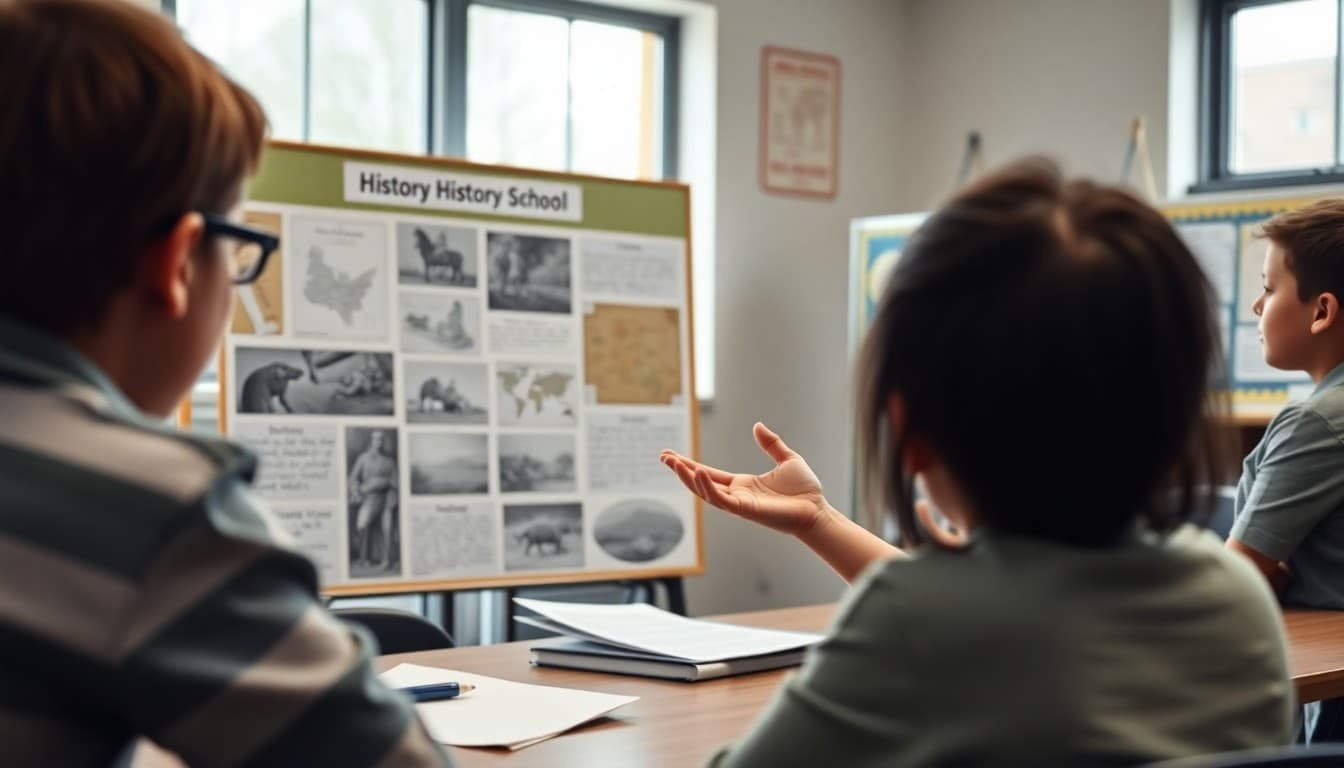
Name every component of the project: a written report, a display board, an oral presentation, a visual aid, a timeline, a model. Give families the full picture of what students were asked to do. When families see the finished product at the presentation, they can appreciate all the pieces that went into it rather than just the performance in the moment.
Guide Appropriate Family Involvement
Families want to help and sometimes do not know where to stop. Your newsletter can give them specific ways to support their child without doing the work: help them locate credible sources, ask them questions about their topic that push deeper thinking, listen to a rehearsal and give one piece of feedback. A boundary like "we encourage family questions and conversation but the words and analysis should come from your child" protects academic integrity while still inviting home support.
Prepare Families for the Presentation Event
If families are invited to attend, describe the format. Will students present to small groups? Is it a gallery walk? Are there designated time slots? What should families do when they arrive? Remove every logistical question so families focus on their child rather than on where to stand or when to leave.
Give Families Questions to Ask After
Preparing families with a few post-presentation questions makes the experience richer for students. What was the most interesting thing you discovered? What would you research further? How does this connect to our lives today? Students who are asked thoughtful questions process their learning more deeply than students who simply receive applause and move on.
Celebrate the Academic Work
History research projects require independent thinking, source evaluation, and sustained effort. Your newsletter should honor that before the presentations happen. Students who know their teacher is proud of the work they did arrive to present with the confidence the work deserves. Using Daystage, you can send a warm, specific acknowledgment of the unit's depth as part of the invitation newsletter.
Get one newsletter idea every week.
Free. For teachers. No spam.
Frequently asked questions
What should a history presentations newsletter explain?
Describe the research project: what period or topic students investigated, what format the presentation takes, whether families can attend, what students were expected to produce (written report, display board, oral presentation, or all three), and how families can support their child in final preparation.
Should families help with the research component?
Your newsletter can give guidance on appropriate family involvement: helping find sources, discussing the historical context, reviewing a draft, or listening to a rehearsal. Draw a clear line between support and doing the work for the student. Families who understand that boundary provide more meaningful help.
How do I prepare families to be an engaged audience for history presentations?
Suggest questions families can ask after a presentation: what surprised you most about your research? What would you investigate further if you had more time? How does this historical event connect to something happening today? Families who have questions ready engage more meaningfully than those who simply watch.
What presentation formats work best for history projects?
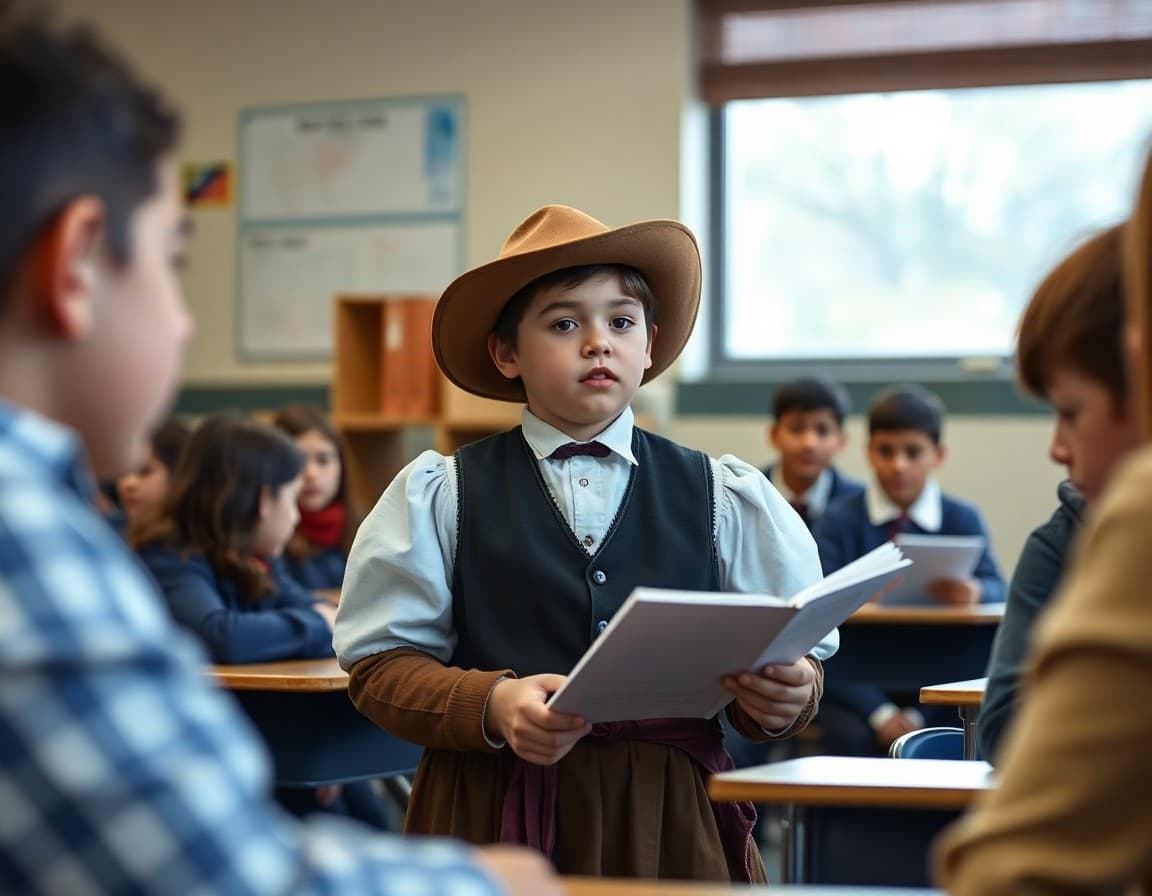
Oral presentations with a poster or display board are most common. Some classes use living museum formats or biography fair approaches. Your newsletter should describe the specific format your class is using so families know what to expect and can help their child prepare for the performance aspect.
What tool helps teachers send newsletters efficiently?
Daystage makes history presentation newsletters easy to produce. You can include a project preview, the research rubric or expectations, family support suggestions, and event logistics in one message sent to every parent before the presentations begin.

Adi Ackerman
Author
Adi Ackerman is a former classroom teacher and curriculum writer with 8 years in K-8 schools. She writes about school communication, parent engagement, and what actually works in real classrooms.
More for Classroom Teachers
How to Write About Social Studies Projects in Your Classroom Newsletter
Classroom Teachers · 5 min read
Teacher Newsletter for Biography Presentation Projects and Events
Classroom Teachers · 6 min read
Teacher Newsletter for Living Museum: Bring History to Life for Families
Classroom Teachers · 6 min read
Ready to send your first newsletter?
3 newsletters free. No credit card. First one ready in under 5 minutes.
Get started free