
Teacher Newsletter for Food System Unit: From Farm to Family Table
A food systems unit asks students to follow the journey of food from the places it is grown to the tables where it is eaten. That journey involves biology, geography, economics, and ethics. When families understand what their child is studying, they can reinforce it at every meal, every grocery store visit, and every food conversation they have at home.
Describe the Unit's Arc
Open the newsletter by walking families through what the unit covers. Students begin by exploring where different foods come from and how plants and animals are grown or raised. They trace the processing and packaging journey from farm to distribution center to store shelf. They examine how food gets from producers to consumers across local, regional, and global supply chains. That overview gives families the context to see the full picture rather than isolated pieces.
Name the Academic Skills
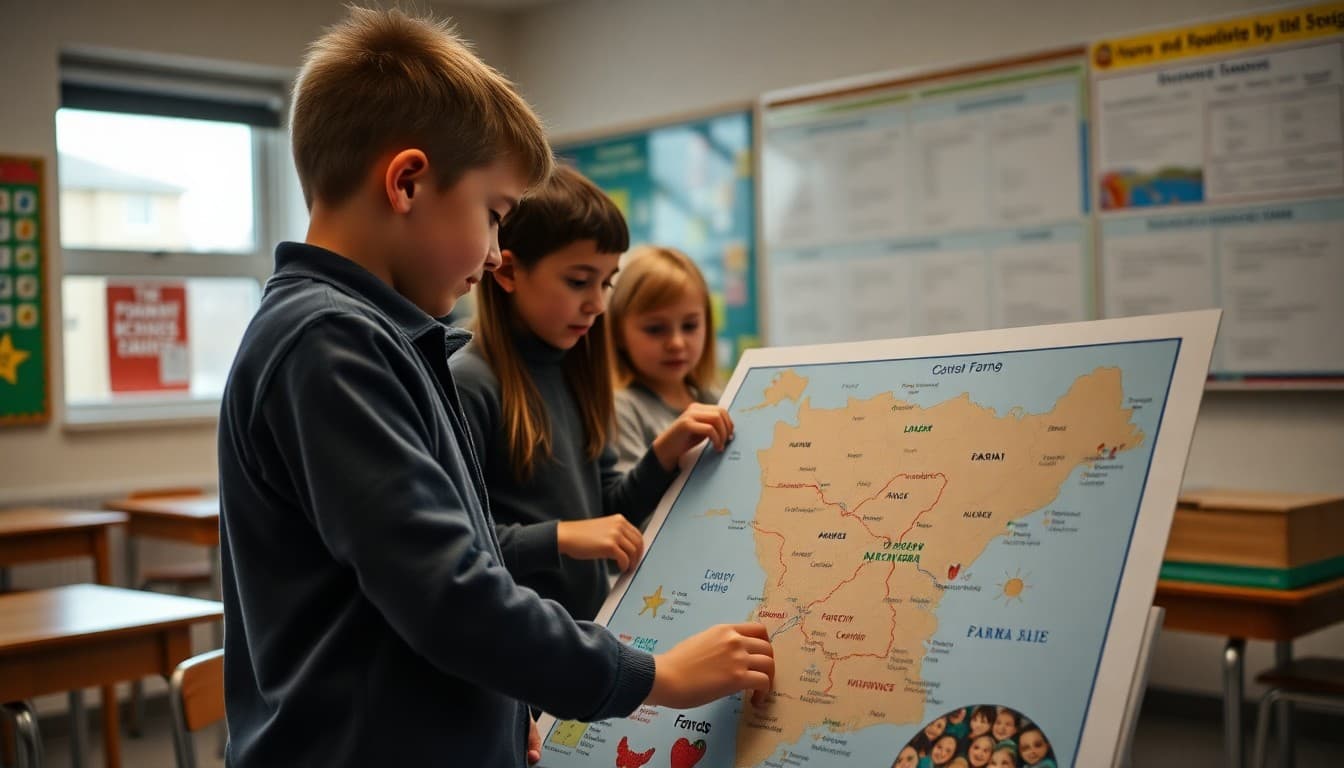
Food system learning is genuinely multi-disciplinary. Students read maps to trace supply chains, mathematics to calculate food miles, science to understand soil and plant biology, and language arts to evaluate claims on food packaging. Your newsletter can name two or three of these skills so families understand the academic rigor behind what might look like a cooking or gardening activity.
Suggest Grocery Store and Kitchen Activities
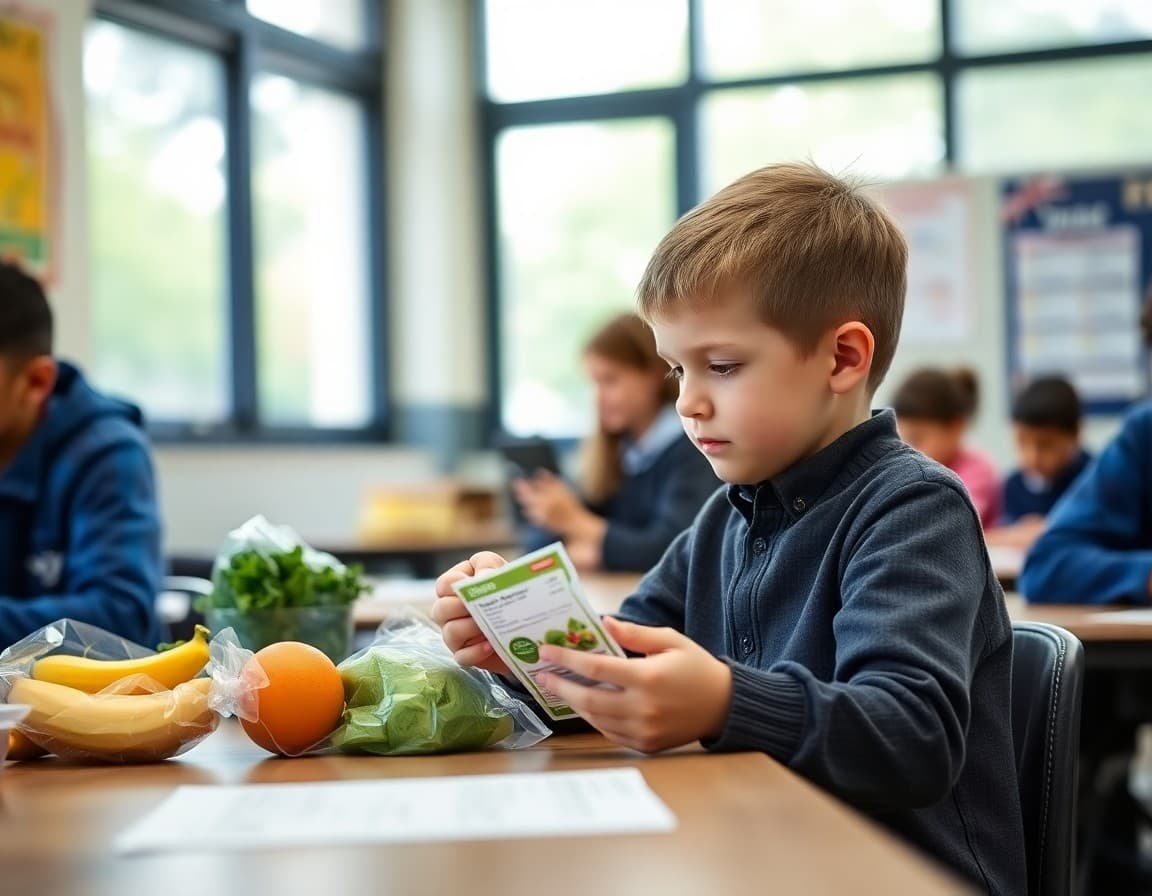
A food system unit extends naturally into the places families already spend time. Suggest checking the origin label on a piece of produce together. Discussing where a packaged food ingredient comes from. Comparing a processed version of a food to its whole ingredient version. These small activities give students real data to bring back to class and give families a new way of engaging with something they do every day.
Address Food Equity With Care
One of the most important questions a food systems unit raises is who has access to fresh, nutritious food and why. Your newsletter can introduce this dimension in an age-appropriate way that prepares families for the conversations their child may bring home. Framing it as a question about how the food system is designed and who it serves, rather than as a political statement, creates productive curiosity rather than controversy.
Connect to Local Food Sources
If there are local farms, community gardens, farmers markets, or food organizations in your area, mention them. A unit that connects to places families can actually visit builds a bridge between classroom learning and community engagement. Students who see the food system operating in their own community understand it differently than students who only study it on paper.
Close with a Food Literacy Goal
The goal of a food systems unit is not just knowledge. It is the ability to make more informed choices about food, understand where it comes from, and appreciate the people and systems that produce it. Using Daystage, you can frame that goal clearly in your final unit wrap-up and share it with every family as a tangible takeaway from the unit.
Get one newsletter idea every week.
Free. For teachers. No spam.
Frequently asked questions
What does a food systems unit teach students?
Students learn where food comes from, how it is grown and raised, how it is processed and packaged, how it travels to stores and tables, and what happens to food waste. The unit develops food literacy, which is the ability to understand and make informed choices about what you eat and where it comes from.
What academic subjects connect to a food systems unit?
Science covers plant biology, soil health, and decomposition. Social studies covers agricultural geography and trade. Math covers data about food production and transportation distances. Language arts covers reading food labels, research writing, and persuasive communication about food choices. A newsletter that names these connections builds parent appreciation for the academic depth.
How can families extend food system learning at home?
Read a food label together and trace where ingredients come from. Visit a farmers market and ask a vendor about their growing practices. Cook a meal using ingredients your child identifies as locally sourced. Check the origin sticker on produce at the grocery store. These small activities make the curriculum tangible.
How do I handle food insecurity sensitivity in the newsletter?
Acknowledge that food access is not equal and that part of understanding the food system is understanding who has access to nutritious food and why. Frame the conversation as one of curiosity and justice rather than judgment. Families who are experiencing food insecurity should never feel their situation is being used as a classroom example without consent.
What tool helps teachers send newsletters efficiently?
Daystage makes food system unit newsletters easy to produce. You can include a graphic of the food chain, activity descriptions, and home connection ideas in one polished message that every family receives before the unit begins.

Adi Ackerman
Author
Adi Ackerman is a former classroom teacher and curriculum writer with 8 years in K-8 schools. She writes about school communication, parent engagement, and what actually works in real classrooms.
More for Classroom Teachers
Ready to send your first newsletter?
3 newsletters free. No credit card. First one ready in under 5 minutes.
Get started free