

Teacher Newsletter for Farm to Table Classroom Project and Field Trip
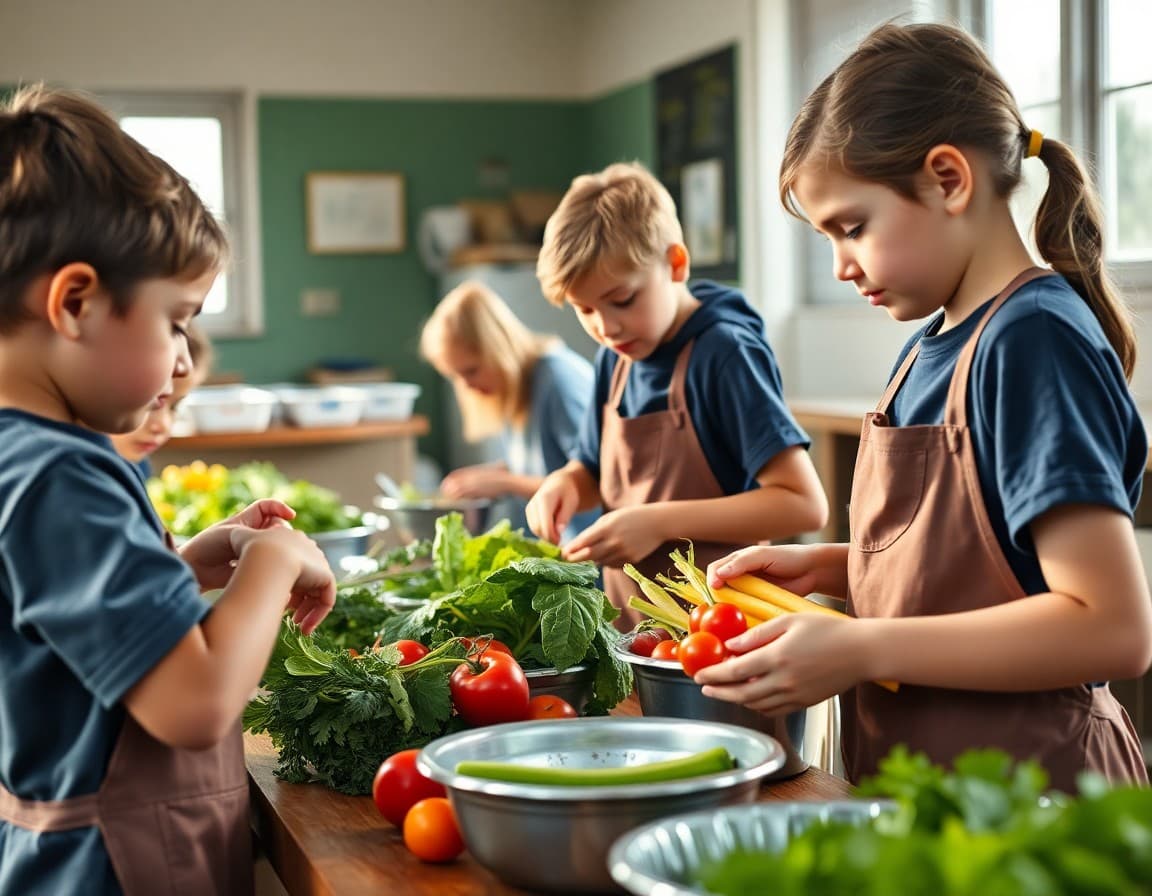
Farm to table is more than a restaurant trend. As a classroom project, it gives students a direct experience of where food comes from, what it takes to grow it, and how preparation transforms raw ingredients into a meal. Your newsletter connects that hands-on experience to families who can extend it at every dinner table in your class.
Describe the Full Project Journey
Open the newsletter by walking families through the arc of the project. Students may start by visiting a local farm or planting seeds in the school garden. They follow the food through washing, preparation, and cooking. They eat what they made. That complete journey from seed to plate is what makes the project experiential rather than instructional. Families who understand the arc can ask their child about each stage as it happens.
If There Is a Farm Visit, Cover All the Logistics
A farm field trip newsletter should include: the farm name and location, transportation method and time, what students will see and do, what to wear (closed-toe shoes, comfortable clothes that can get dirty), whether any food will be tasted on site, and the allergy management plan. Complete logistics prevent last-minute family questions and help students arrive dressed and prepared for the experience.
Connect to the Curriculum Standards
A farm to table project connects to life science (plant growth, soil ecology), health (nutrition, food groups), social studies (local agriculture, food economy), and language arts (research, description, narrative). Naming these connections in the newsletter positions the project as rigorous curriculum rather than a fun activity.
Invite Families into the Kitchen
After the classroom cooking activity, suggest that families recreate it at home. Include the recipe or a link to it. Families who cook the same dish at home as their child made at school have a specific, shared conversation topic that deepens the meaning of the unit. Even one family dinner connected to the classroom project is worth the mention in the newsletter.
Celebrate Local and Seasonal Food
Part of the farm to table mindset is appreciating what grows locally and eating it when it is in season. Your newsletter can mention one or two seasonal foods available right now in your region and suggest that families look for them at the grocery store or farmers market. That small connection extends the unit into real food choices.
Share Photos and Results
A follow-up newsletter with photos of students on the farm or plating their finished dish is one of the most-opened newsletters of the year. Using Daystage, you can include those photos easily and send a short recap of what the project produced, both in food and in learning.
Get one newsletter idea every week.
Free. For teachers. No spam.
Frequently asked questions
What is a farm to table classroom project?
A farm to table project follows food from its growing origin through preparation to a meal. Students may grow food in a school garden, visit a local farm, study the steps of food processing, and cook or prepare something from scratch. The project builds food literacy, science understanding, and culinary skills.
What should the newsletter explain about a farm visit?
If the project includes a farm field trip, cover the date, location, transportation logistics, what students will see and do, what to wear, whether families can attend, and what to bring. Also describe the curriculum connection so the trip feels like a learning experience, not an outing.
How can families connect the farm to table project to home meals?
Suggest that families cook one meal together using only ingredients purchased at a farmers market or from a local farm stand. Or research where a specific food in your kitchen came from. Or compare the taste of a fresh ingredient to a processed version. These connections make the unit practical and memorable.
Are there food handling concerns on a farm visit?
Yes. Your newsletter should note any handwashing or hygiene protocols that will be in place, whether gloves are used when handling produce, and how the classroom manages allergies during any tasting activities. Proactive health communication prevents last-minute family anxiety.
What tool helps teachers send newsletters efficiently?
Daystage makes farm to table project newsletters easy to build with photos, field trip logistics, cooking activity descriptions, and home extension suggestions in one message sent to your full parent list.

Adi Ackerman
Author
Adi Ackerman is a former classroom teacher and curriculum writer with 8 years in K-8 schools. She writes about school communication, parent engagement, and what actually works in real classrooms.
More for Classroom Teachers
Ready to send your first newsletter?
3 newsletters free. No credit card. First one ready in under 5 minutes.
Get started free