
Teacher Newsletter for Cooking Unit: Engage Families in Kitchen Learning
A cooking unit is one of the most multi-disciplinary classroom experiences a teacher can run. Students practice math, reading, science, and social skills all at once. The newsletter you send before and during the unit ensures families understand the learning happening in the kitchen, handles the logistics of food safely, and invites them to extend the experience at home.
Introduce the Unit with Its Learning Goals
Families who see a cooking unit on the schedule often assume it is enrichment, not academics. Your newsletter can correct that perception directly. This unit connects fraction work to real measurement, uses recipe reading as a comprehension task, and gives students hands-on experience with physical and chemical changes in matter. Framing the goals upfront builds parent buy-in and prevents anyone from asking why the class is "just cooking."
List Every Ingredient in Advance
Food allergy management starts in the newsletter, not at the classroom door. If you know the full ingredient list for the unit, include it. If recipes will vary by week, commit to sending an ingredient preview at the start of each week. Ask families to contact you immediately if their child has an allergy to any listed item so you can plan substitutions before the lesson, not during it.
Explain Your Allergy and Substitution Policy
Students with dietary restrictions should be able to participate fully in the cooking unit. Your newsletter can outline your approach: what accommodations are available, whether ingredient substitutions are possible, and how you handle situations where cross-contamination is a risk. Families who see a clear policy trust that their child will be safe and included.
Invite Family Volunteers
Cooking activities with a whole class run more smoothly with extra adult hands. If your school allows parent volunteers in the classroom, include a sign-up option in the newsletter. Be specific about what helpers will do: supervising a small group station, measuring ingredients, or managing cleanup. A concrete role gets more responses than a vague "we would love your help."
Suggest At-Home Extension Activities
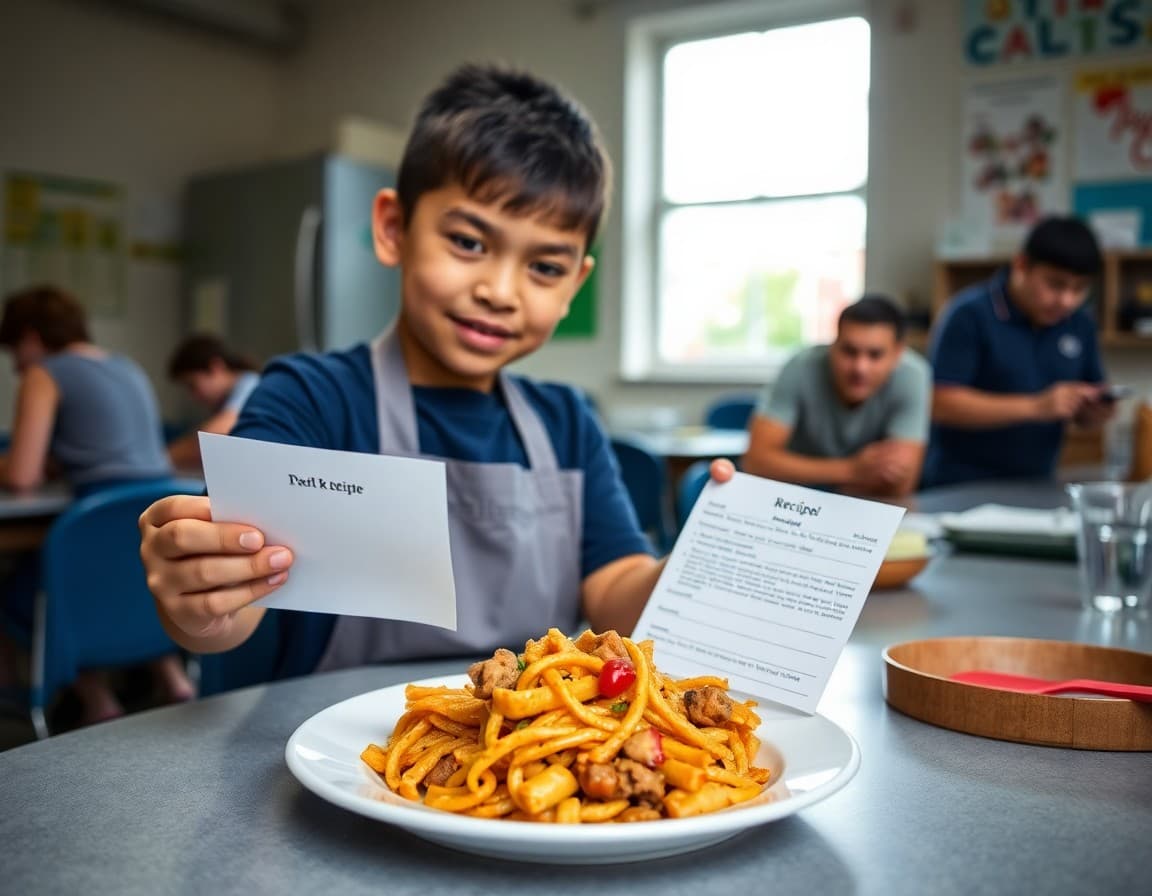
A cooking unit that ends at the classroom door misses an opportunity. Suggest a recipe families can try together that connects to what students learned in class. Include a short note about what skill to practice, whether it is measuring, following a sequence, or identifying changes in texture. Families who cook together at home based on your newsletter have a richer relationship with the unit and with your class.
Share Photos When You Can
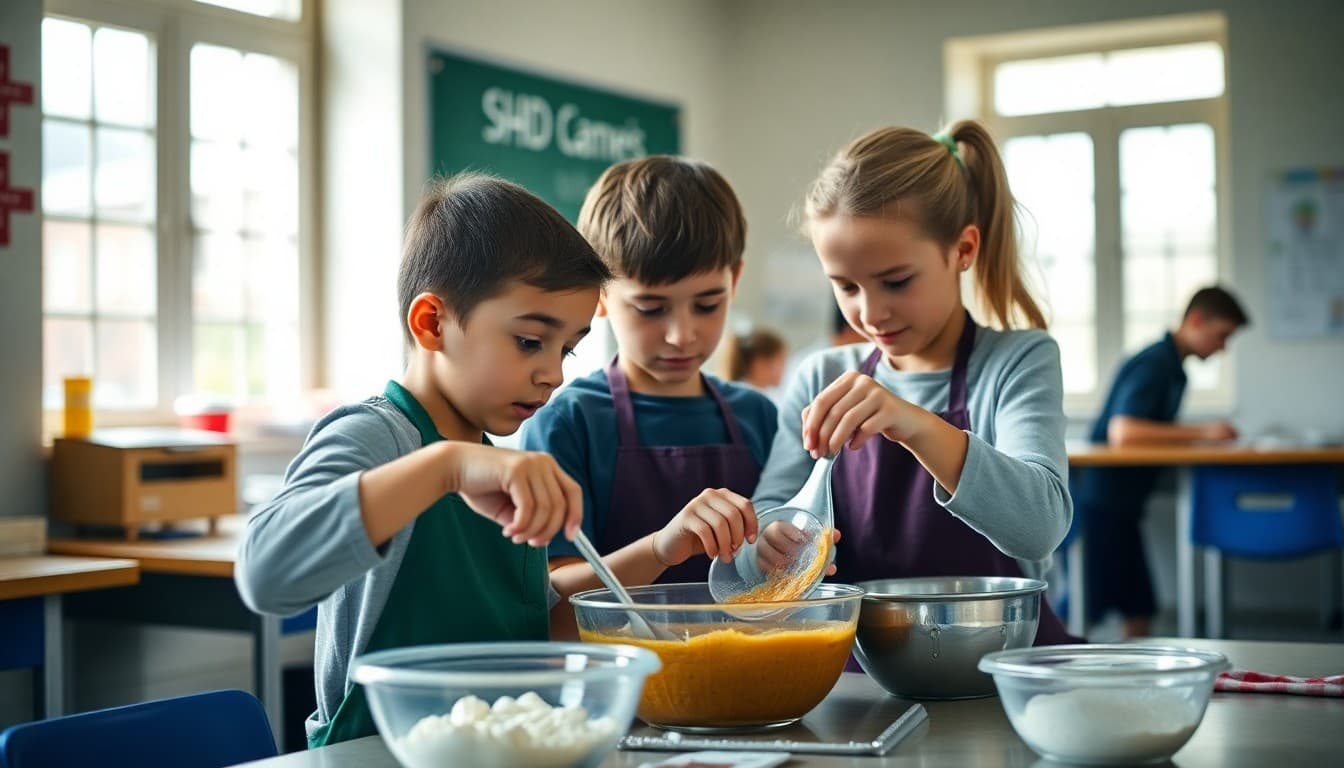
Cooking lessons produce some of the best classroom photos of the year. Students focused on tasks, laughing at outcomes, and holding finished products are images families treasure. With appropriate photo permissions in place, a cooking unit newsletter that includes action photos makes the curriculum visible and celebrates student work in a way words alone cannot. Daystage makes embedding those photos simple so the newsletter stays clean and fast to read.
Get one newsletter idea every week.
Free. For teachers. No spam.
Frequently asked questions
What curriculum connections should a cooking unit newsletter mention?
Cooking connects to math through measurement and fractions, science through states of matter and chemical reactions, reading through recipe comprehension, and social-emotional learning through collaboration. Naming two or three of these connections in the newsletter shows families that cooking class is curriculum time, not just fun.
How should the newsletter handle food allergies?
List every ingredient used in the unit and ask families to confirm their child's allergies or restrictions before the unit begins. Include a direct email or form link for that response. The newsletter should also mention your substitution policy for students with dietary needs so no child is excluded.
Should I ask families to volunteer for cooking lessons?
If you welcome adult helpers during cooking sessions, mention it in the newsletter with a sign-up link or contact method. Parent volunteers are genuinely useful in a cooking unit, especially for activities that require supervision of multiple small groups. Keep the ask specific about what they would be doing.
Can families support the cooking unit at home?
Yes. Suggest a recipe from the unit that families can try together at home. Share the recipe in the newsletter or link to it. Families who cook alongside their child reinforce the skills from the classroom and turn the unit into a lasting household memory.
What tool helps teachers send newsletters efficiently?
Daystage lets you design a cooking unit newsletter with photos of past sessions, ingredient lists, allergy notes, and volunteer requests in one clean message. Families receive everything they need without a back-and-forth email chain.

Adi Ackerman
Author
Adi Ackerman is a former classroom teacher and curriculum writer with 8 years in K-8 schools. She writes about school communication, parent engagement, and what actually works in real classrooms.
More for Classroom Teachers
Ready to send your first newsletter?
3 newsletters free. No credit card. First one ready in under 5 minutes.
Get started free