

Teacher Newsletter for Fishbowl Discussion: What Families Should Know
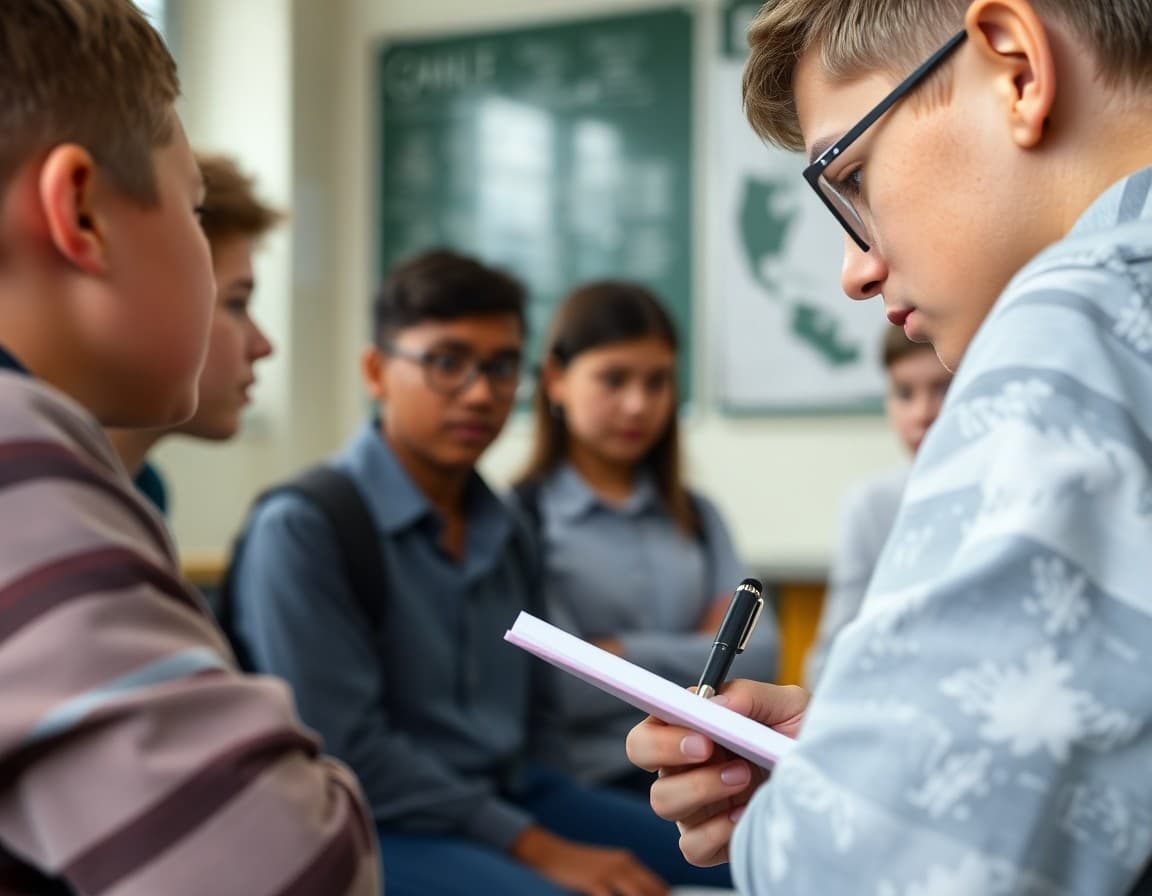
Fishbowl discussions are one of the most powerful discussion structures in the classroom. They teach students to listen as carefully as they speak, to think about an argument while someone else is making it, and to build a collaborative conversation rather than a series of individual speeches. A newsletter that explains the format to families sets students up to prepare thoughtfully and arrive ready to participate.
Describe the fishbowl structure clearly
The name is unusual enough that most parents will not know what it means. Explain it directly. A small group sits in the center and discusses a topic or text while a larger group surrounds them, observes, and takes notes. Then the groups switch. The inner circle is "in the fishbowl" where everyone can see and hear. Both roles require active engagement: discussing and listening.
Name the topic or text the discussion will focus on
Tell families what the discussion is about. If students are discussing a shared text, give the title. If they are discussing an issue or question, state it. "Students will be discussing whether the protagonist in our novel made the right decision when he left his family" gives parents and students something specific to think about before the day of the discussion.
Explain what makes a strong discussion contribution
Many students default to agreeing with the previous speaker or making a general comment. The fishbowl format requires more. Tell families what you are teaching students to do: cite evidence from the text, build on someone else's idea by naming it first, introduce a new angle when the conversation stalls, and push back respectfully. These are named skills, not vague expectations.
Give parents a home preparation protocol
Students who have thought through their position before the discussion participate more confidently and more substantively. Give families a simple prep routine. "Ask your student: what do you think about the discussion question? What specific evidence from the text supports that? What is the strongest argument against your position?" Ten minutes of this conversation the night before makes a real difference.
Explain the observer role as equally valuable
Students in the outer circle sometimes feel like they are waiting their turn. Reframe that in your newsletter. Observing a discussion, noticing what moves work and what falls flat, and preparing to respond to what was said is a sophisticated skill. Many professional environments require people to observe and enter a discussion strategically. The outer circle is active learning, not waiting.
Connect fishbowl skills to writing
The skills students practice in a fishbowl discussion map directly onto essay writing. Stating a claim, supporting it with evidence, anticipating counterarguments, and building on the ideas of others are the same moves good academic writing requires. When parents see this connection, they understand the discussion as more than a participation exercise.
Share what students said, with permission
After the discussion, a newsletter note that captures a few strong contributions, without naming students unless you have permission, shows families the quality of thinking happening in your classroom. "One student argued that the character's choice actually reflects fear rather than courage, and another built on that by pointing to an earlier scene as evidence" is compelling to read and makes parents wish they had been in the room.
Get one newsletter idea every week.
Free. For teachers. No spam.
Frequently asked questions
What is a fishbowl discussion and why should I explain it to parents?
A fishbowl discussion is a structured speaking and listening activity where one group discusses a topic while another group observes and takes notes, then the groups switch. Parents who understand the format can help students prepare their thinking and practice discussion skills at home before the activity.
What skills does fishbowl discussion develop?
Active listening, evidence-based argument, building on others' ideas, respectful disagreement, and observational analysis. These are the same skills students use in academic essays, debates, and professional meetings. Your newsletter should name these explicitly.
How can parents help students prepare for a fishbowl?
Have students practice stating their position and supporting it with a specific example. 'I think the author is arguing that... because on page... the text says...' is the structure you want. Give parents this sentence frame in the newsletter so home practice mirrors classroom expectations.
What do students do when they are in the outer circle?
They observe the inner circle, take notes on what they hear, notice the quality of the arguments and evidence used, and prepare to continue or challenge the conversation when the groups switch. Explain this clearly in the newsletter so families understand that both roles are active and demanding.
How does Daystage help me communicate about discussion activities like fishbowl?
Daystage makes it easy to send a focused, professional newsletter about a single activity so parents understand the purpose and can support it at home, without it getting buried in a general weekly update.

Adi Ackerman
Author
Adi Ackerman is a former classroom teacher and curriculum writer with 8 years in K-8 schools. She writes about school communication, parent engagement, and what actually works in real classrooms.
More for Classroom Teachers
Explaining Accountable Talk to Families in Your Teacher Newsletter
Classroom Teachers · 6 min read
How to Explain Think-Pair-Share to Families in Your Teacher Newsletter
Classroom Teachers · 6 min read
Teacher Newsletter for Close Reading: Explaining the Strategy to Parents
Classroom Teachers · 6 min read
Ready to send your first newsletter?
3 newsletters free. No credit card. First one ready in under 5 minutes.
Get started free