

Teacher Newsletter for Close Reading: Explaining the Strategy to Parents
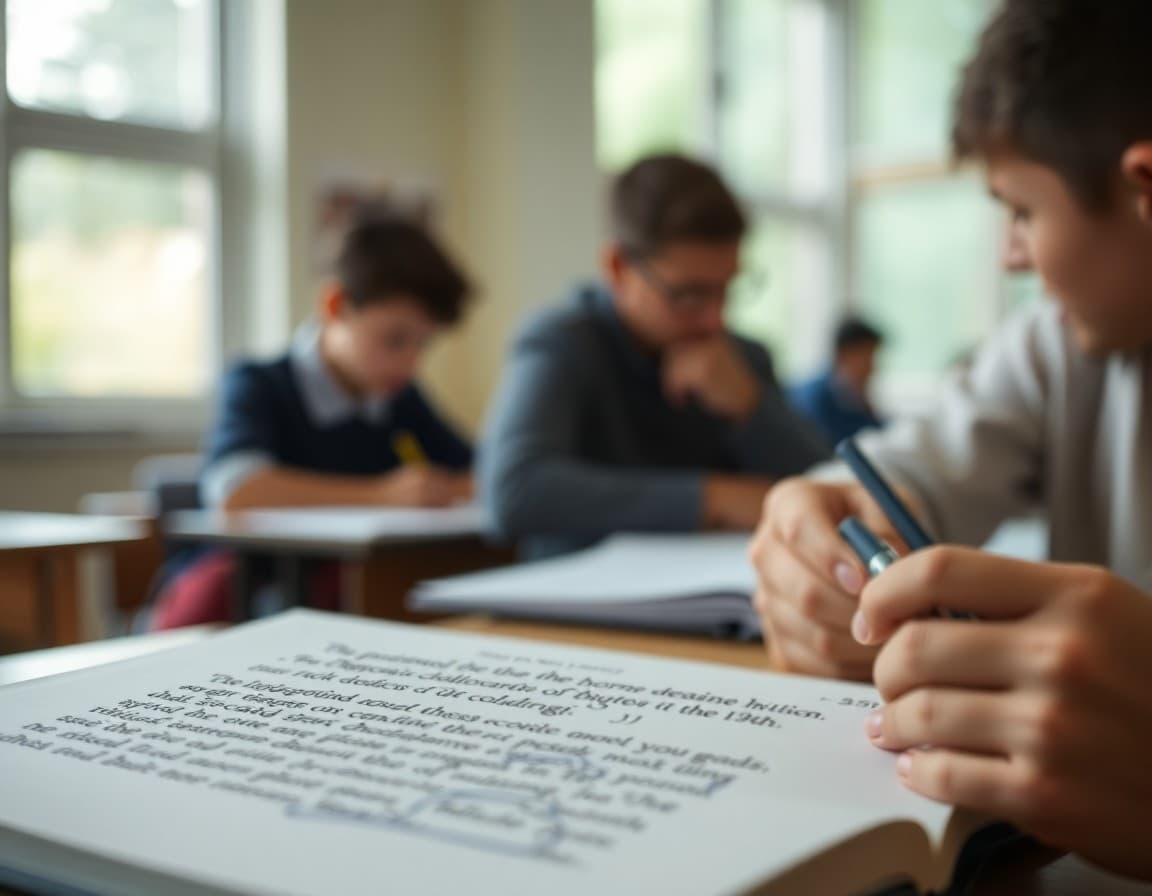
Close reading is one of those instructional approaches that looks strange to anyone who was not taught this way. Reading the same short paragraph four times on purpose, marking it up with notes, and then talking about why the author chose a specific word: from the outside, this can look like slow, laborious, unnecessary repetition. From the inside, it is how students build the capacity to think critically about any text they encounter. Your newsletter is how you make the inside visible.
Define close reading in plain language
Start with the clearest possible definition. Close reading means returning to a short, difficult text multiple times to understand not just what it says but how it is built and why it is built that way. Each reading has a different focus. The first pass answers the question "what is this about?" Later passes answer "how does the author create that meaning?" Most parents will immediately see the value once you put it that simply.
Explain why multiple readings are necessary
Complex texts reward rereading. A student who reads a paragraph once and moves on gets the surface meaning at best. A student who reads the same paragraph three times with different questions in mind discovers things that are invisible on the first pass. This is a discipline, and it takes practice. Parents who understand this stop worrying when their student is on the third read of the same text.
Name the annotation tools students are using
Tell families what students are doing to the text as they read: what they are circling, underlining, bracketing, questioning. If students are using a specific annotation code in your classroom, share it. When parents see the same symbols at home, they can ask about them and reinforce the practice rather than wondering why their student's reading passage looks like it has been attacked with a pencil.
Give families a close reading protocol to try at home
A simple, accessible version of close reading works for any household. Find a short newspaper article or a paragraph from a magazine. Read it once for understanding. Then ask: what words did the author choose that surprised you? What sentence carries the most important idea? Why do you think the author put that example in the middle instead of at the end? These questions approximate what students practice in class.
Connect close reading to academic writing
Students who read closely write better arguments. The skill of identifying how an author constructs a point transfers directly to the skill of constructing your own. If your class is writing essays alongside the close reading unit, tell parents that connection is intentional. The reading and writing units are the same skill from different directions.
Explain how you assess close reading progress
Parents want to know how success is measured. Tell them what you are looking for: annotation quality, ability to answer text-dependent questions, participation in discussion grounded in the text. If there is a formal assessment, describe it briefly. Parents who understand the evaluation criteria support their students more effectively.
Normalize the difficulty
Close reading is hard. That is the point. Students who find it frustrating are often working at exactly the right level of challenge. Tell parents this. "If your student says the passage is confusing, that is expected. The goal is to sit with that confusion, use strategies, and find meaning. That struggle is where the learning actually happens." Families who understand this stop rescuing students from the productive difficulty.
Get one newsletter idea every week.
Free. For teachers. No spam.
Frequently asked questions
What is close reading and why do I need to explain it to parents?
Close reading is the practice of reading a short, complex text multiple times with different purposes each time, noticing how word choice, structure, and detail create meaning. Many parents were taught to read once and summarize. Close reading looks different and takes more time, so explaining the approach prevents parents from thinking their student is struggling when they reread the same paragraph three times.
How many times should a student read a close reading passage?
Typically two to four times, each with a different lens: first for general understanding, second for vocabulary and language, third for structure and author's craft, fourth for argument or theme. Let parents know this so they don't assume rereading means the student did not understand it.
What annotation strategies are appropriate to share with families?
Circling unknown words, underlining key sentences, writing a question mark next to confusing parts, writing a brief margin note after each paragraph. These are accessible for most families to reinforce at home without needing to teach the strategy from scratch.
Can parents do close reading at home without formal training?
Yes, on a simplified level. Reading the same short paragraph together twice, asking different questions each time, is close reading. The first time: what is this saying? The second time: what words did the author choose and why does that matter? Simple approaches build the habit.
How does Daystage help me explain instructional strategies like close reading to families?
Daystage lets you build clear, formatted newsletters that explain a strategy in plain language and share what students are working on, making it easy for families to understand and support the work.

Adi Ackerman
Author
Adi Ackerman is a former classroom teacher and curriculum writer with 8 years in K-8 schools. She writes about school communication, parent engagement, and what actually works in real classrooms.
More for Classroom Teachers
Teacher Newsletter for Annotation Strategies: Building Active Reading Habits
Classroom Teachers · 6 min read
Teacher Newsletter for Text Evidence: Helping Families Understand This Core Skill
Classroom Teachers · 6 min read
Teacher Newsletter for Nonfiction Unit: Helping Families Support Informational Reading
Classroom Teachers · 6 min read
Ready to send your first newsletter?
3 newsletters free. No credit card. First one ready in under 5 minutes.
Get started free