
How to Write a First Aid Unit Newsletter to Families
First aid unit newsletters serve a purpose that most curriculum communication does not: the skills students are learning could one day save a life. A newsletter that treats this unit with the weight it deserves, explaining what students are learning, why it matters, and how families can help reinforce these skills at home, sends a message that health and safety education is as serious as any academic content.
Name the specific skills students are learning
Tell families exactly which first aid skills the unit covers. Recognizing an emergency and knowing when to call for help. Applying pressure to a wound. Cleaning and bandaging a cut. Responding to choking. Recognizing signs of serious injury. Awareness of basic CPR steps. Being specific matters because families often do not know what age-appropriate first aid instruction looks like and may underestimate how practical and important the content is.
Explain why this content belongs in school
First aid knowledge saves lives in real situations where trained adults may not be immediately present. Children who know what to do in an emergency can take effective action at home, on a playground, or anywhere a situation arises before an adult arrives. Research on bystander CPR shows that immediate response by anyone present dramatically increases survival rates. Most of those responders learned the skill in a classroom setting.
Describe how the unit is taught
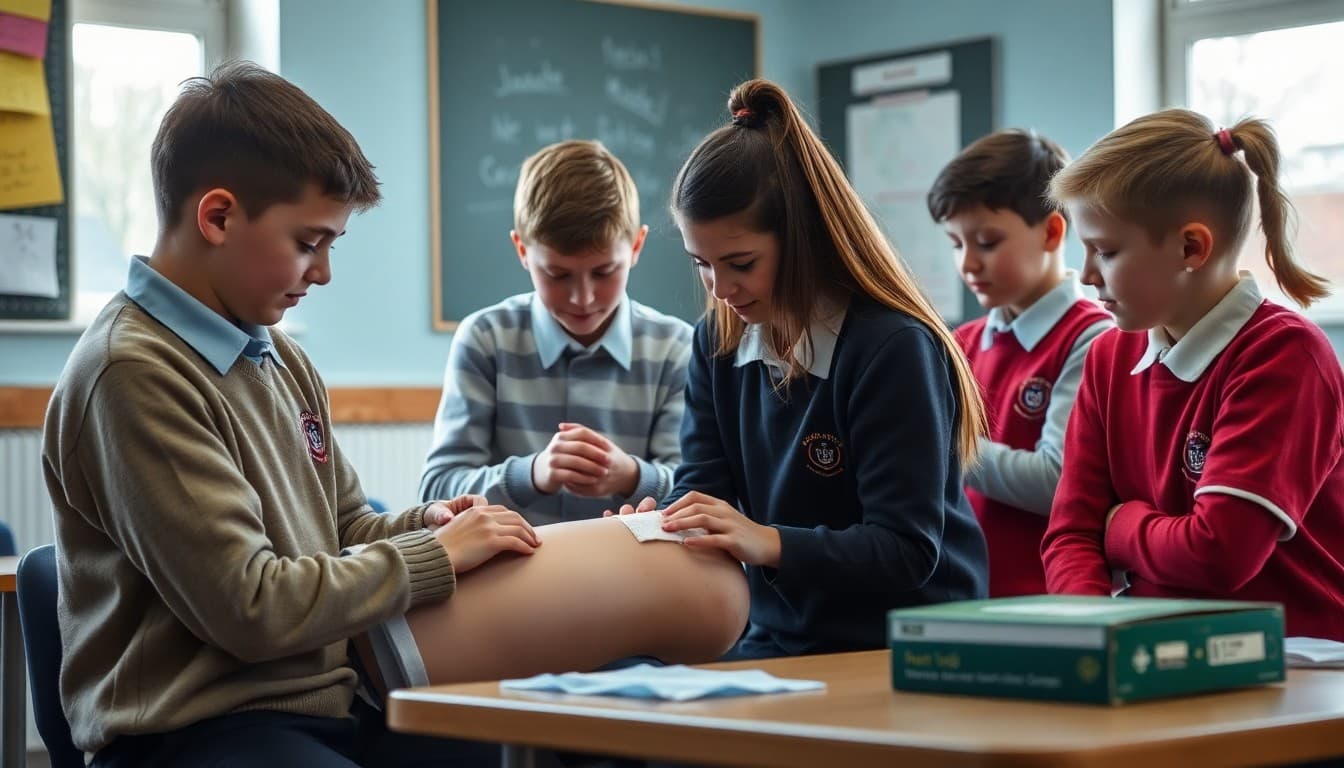
Walk families through the instructional approach. Demonstration and hands-on practice, not just watching a video. Students practice skills on each other and on training mannequins if available. They learn to assess situations, prioritize actions, and stay calm rather than panic. The hands-on nature of first aid education is what makes it stick.
Suggest a home first aid kit check
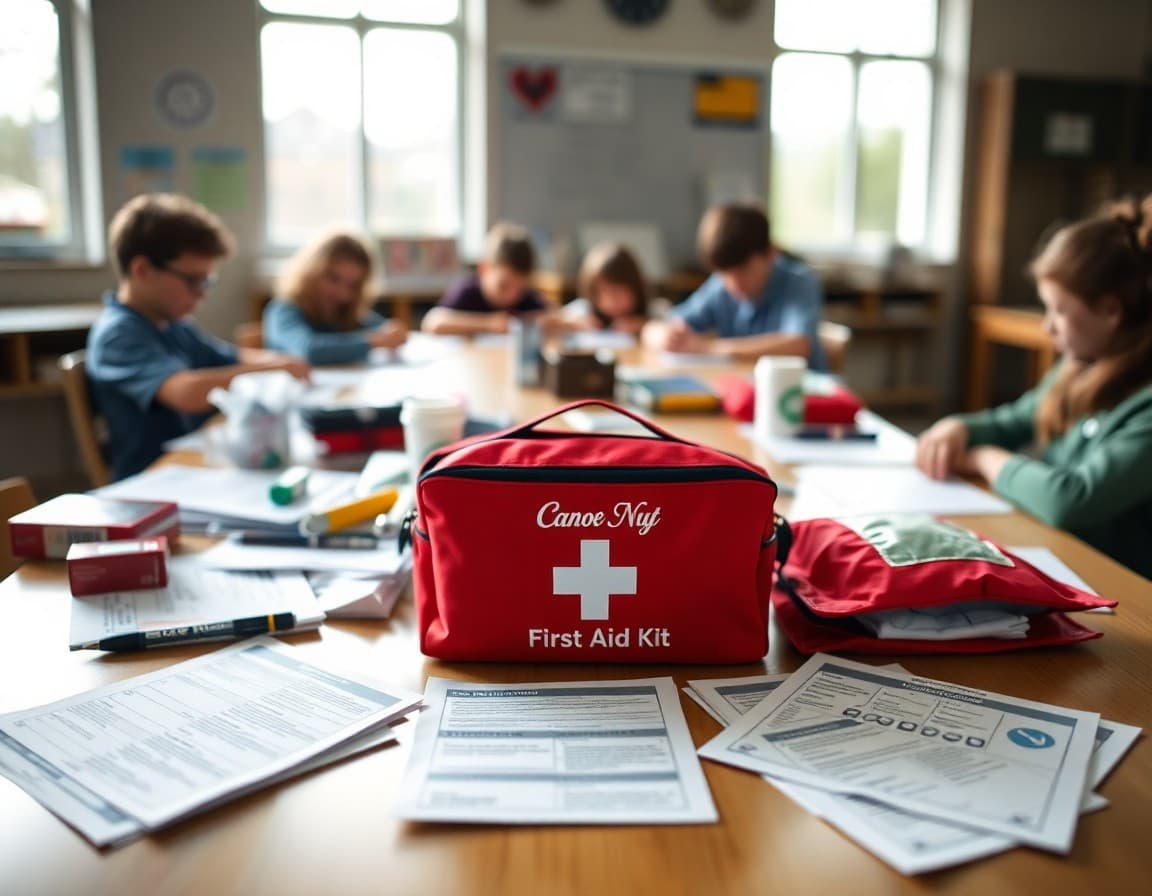
One of the most practical extensions of a first aid unit is showing students where the home first aid kit is and going through what is in it. Families who do not have a first aid kit can use the unit as an occasion to put one together. A basic kit with bandages, antiseptic, medical tape, and gloves is inexpensive and genuinely useful. Students who know where the kit is and what is in it are far more prepared than those who know the theory but not the resources available to them.
Invite a skills demonstration at home
The best way for families to reinforce first aid learning is to ask their student to demonstrate what they practiced. Show me how you would clean and bandage a cut. What would you do if someone was choking? What do you do first when you find someone who is hurt? Asking the student to teach the skill reinforces it through retrieval and explanation, which are both more effective than simply reviewing notes.
Address common family concerns directly
Some families worry that teaching emergency response will make children anxious or fearful. Research consistently shows the opposite: children who know what to do in an emergency feel more confident and less afraid, not more anxious. Preparedness reduces fear. Students who have practiced staying calm and taking a clear first step are less likely to freeze in a real situation than students who have never thought about it.
Note any certifications or ongoing practice
If the unit includes a formal certification component or if students are completing any kind of assessment on their first aid knowledge, let families know. If your school offers CPR certification through a recognized program, mention it and note how families can learn more about getting certified themselves. First aid knowledge compounds when more people in a community have it.
Daystage makes it easy to send a first aid unit newsletter with specific at-home practice suggestions so students carry the skills they learned in class into the real environments where they might one day need to use them.
Get one newsletter idea every week.
Free. For teachers. No spam.
Frequently asked questions
What first aid skills do students typically learn in a classroom unit?
A classroom first aid unit typically covers recognizing emergencies and when to call for help, basic wound care (cleaning, bandaging, pressure), responding to choking, recognizing signs of serious conditions like a broken bone or severe allergic reaction, and the basics of CPR awareness. The exact scope depends on grade level and any certified instruction available at your school.
How can families reinforce first aid learning at home?
Practicing skills at home with simple scenarios helps students retain what they learned. Showing their student where the home first aid kit is kept and what is in it, walking through what they would do if someone fell and was hurt, and asking them to demonstrate the skills they practiced all reinforce the learning in a realistic context.
At what age should students learn first aid?
Basic first aid concepts such as calling for help, not panicking, and applying pressure to a wound are appropriate from early elementary school. More complex skills like hands-only CPR are typically introduced around age 10 or in middle school when students have the physical capacity to perform chest compressions effectively. Age-appropriate first aid education saves lives.
Why does first aid education belong in school?
Students who know what to do in an emergency can take effective action at home, at school, in the community, or anywhere. Research shows that bystander CPR significantly increases cardiac arrest survival rates, and most of those bystanders are ordinary people who learned the skill in a school or community setting.
What tool helps teachers communicate about first aid units?
Daystage makes it easy to send a first aid unit newsletter with specific skills families can practice at home so students move from classroom knowledge to genuine preparedness they can use in real situations.

Adi Ackerman
Author
Adi Ackerman is a former classroom teacher and curriculum writer with 8 years in K-8 schools. She writes about school communication, parent engagement, and what actually works in real classrooms.
More for Classroom Teachers
Ready to send your first newsletter?
3 newsletters free. No credit card. First one ready in under 5 minutes.
Get started free