
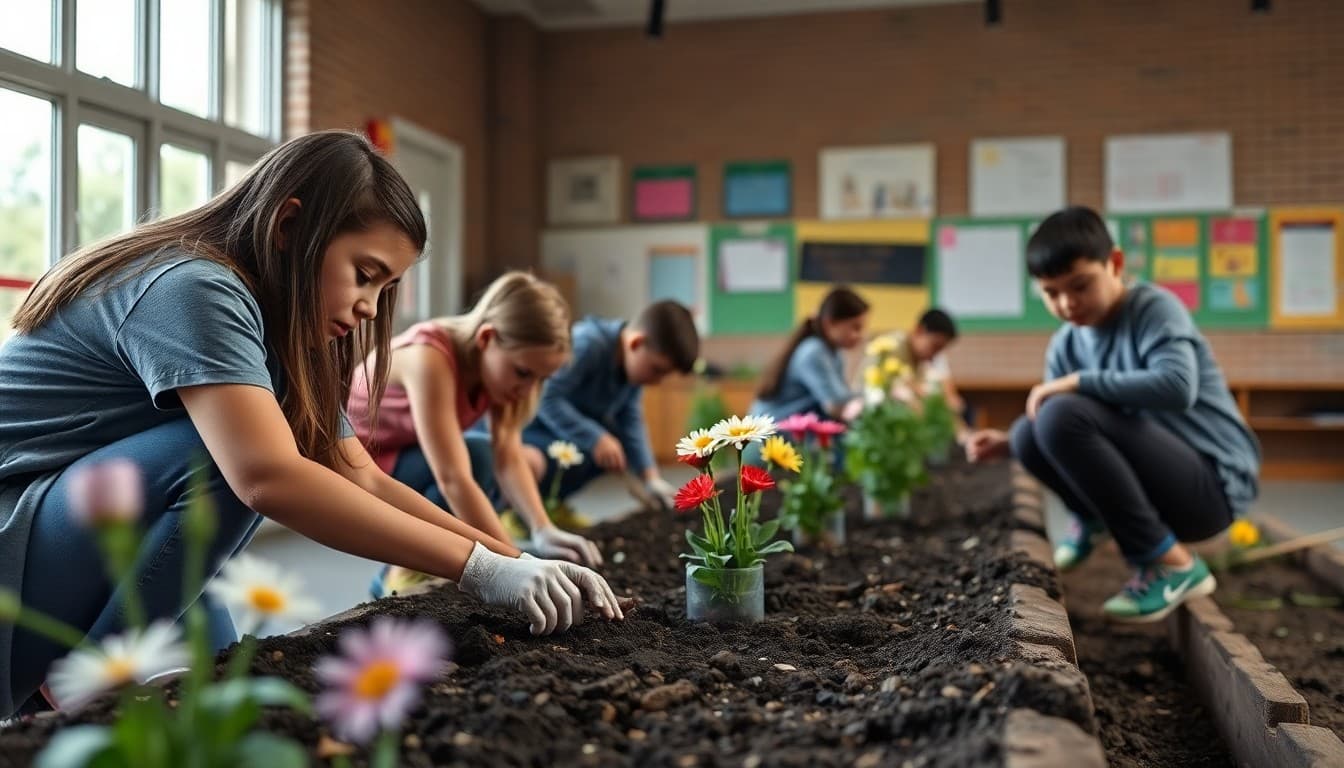
How to Write a Community Service Project Newsletter to Parents
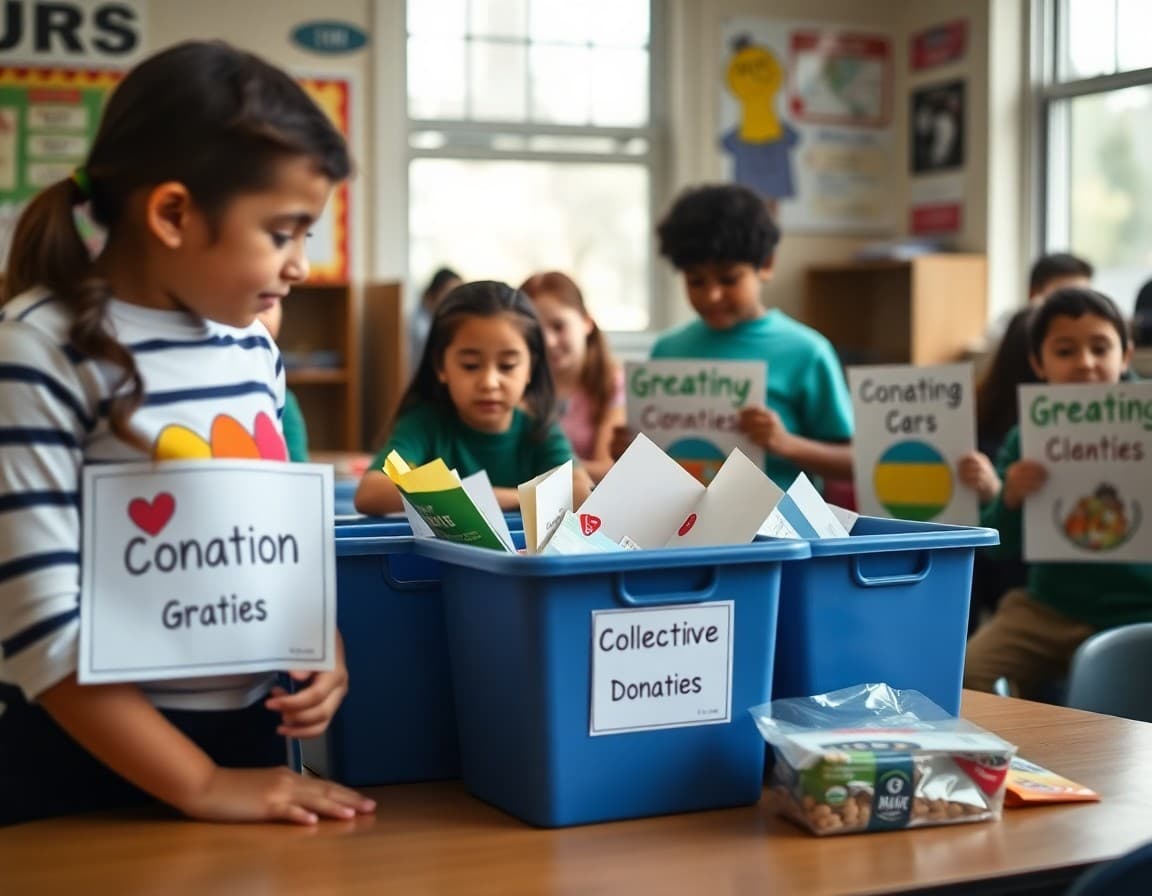
Community service projects are some of the most meaningful work students do all year. They build empathy, civic responsibility, and real-world skills all at once. But they only reach their potential when families understand the project, feel connected to it, and know how to support it. That starts with a strong newsletter.
Open with the why, not the what
Before you describe what students will be doing, explain why the class is doing it. What community need does this project address? Why does it matter to your students? A sentence or two that connects the project to something real and meaningful sets the tone for everything that follows. Parents who understand the purpose before they learn the logistics are far more likely to engage.
Connect the project to curriculum
Be explicit about how the service work connects to what students are learning. This is not about justifying the project academically. It is about helping families see that your students are doing meaningful work that also develops real skills. A letters-to-seniors project builds persuasive writing. A canned food drive involves graphing and data analysis. Both things can be true.
Describe the project in concrete terms
Walk families through the actual plan. What will students do, when will they do it, who are they serving, and what will the finished project look like. Concrete details replace imagination with fact, and families who know what is happening feel far more comfortable supporting it than families who are filling in blanks on their own.
Tell parents exactly how they can help
Some community service projects need donations. Some need chaperones. Some need families to help students research a cause or practice a presentation at home. Be specific about what would help most and give families multiple options so there is an accessible level of involvement for everyone regardless of schedule or resources.
Include a timeline and key dates
Nothing kills project momentum like surprises. Give families a clear timeline: when materials need to be in, when the service event happens, when the class will share results. A simple list of dates is enough. Parents who can plan ahead are far more likely to follow through on their commitments than parents who get three days of notice.
Explain how students will reflect on the experience
Reflection is what turns a service activity into genuine learning. Let families know how you plan to help students process the experience. Written journals, class discussions, presentations, or thank-you letters. When parents know that reflection is built into the process, they can reinforce it at home by asking thoughtful questions about what their student noticed and felt.
Share the results when the project wraps up
Close the loop with a follow-up newsletter or a quick update about what the class accomplished. Numbers help: how many cans were collected, how many letters were sent, how many hours were contributed. Families who see the impact of their support are more likely to engage with the next project you run.
Daystage lets you send the launch newsletter, mid-project updates, and a results summary all through the same tool so families get a coherent story from start to finish rather than disconnected emails scattered across the project.
Get one newsletter idea every week.
Free. For teachers. No spam.
Frequently asked questions
What should I include in a community service project newsletter?
Cover the project goal and the community it serves, the connection to curriculum or character development, the timeline, any materials or donations needed, how families can participate, and how students will reflect on the experience. The more context you provide, the more buy-in you get.
How do I connect community service to academic learning in my newsletter?
Be explicit about the skills and standards the project addresses. A food drive can connect to data collection and graphing. A letter-writing campaign to seniors connects to persuasive and friendly letter writing. Students do not benefit less from the service work because it also meets a learning goal.
How can families participate in a classroom community service project?
Give families multiple levels of participation. Some can volunteer time, others can donate supplies, and others can support the project at home by helping students research their cause or practice their presentation. Not every family can do everything, so offering options increases overall participation.
How should I handle community service projects that require permission?
Any off-campus service activity or project involving external organizations should include a clear permission section in your newsletter. Be specific about dates, locations, supervision, and what students will be doing. Parents are far more likely to sign and return permissions when all the details are in the original communication.
What tool helps teachers communicate about community service projects?
Daystage makes it easy to send a well-organized project newsletter with all the logistics, a volunteer sign-up, and donation information in one place so families have everything they need to get involved.

Adi Ackerman
Author
Adi Ackerman is a former classroom teacher and curriculum writer with 8 years in K-8 schools. She writes about school communication, parent engagement, and what actually works in real classrooms.
More for Classroom Teachers
Ready to send your first newsletter?
3 newsletters free. No credit card. First one ready in under 5 minutes.
Get started free