
How to Write a Classroom Culture Newsletter to Parents
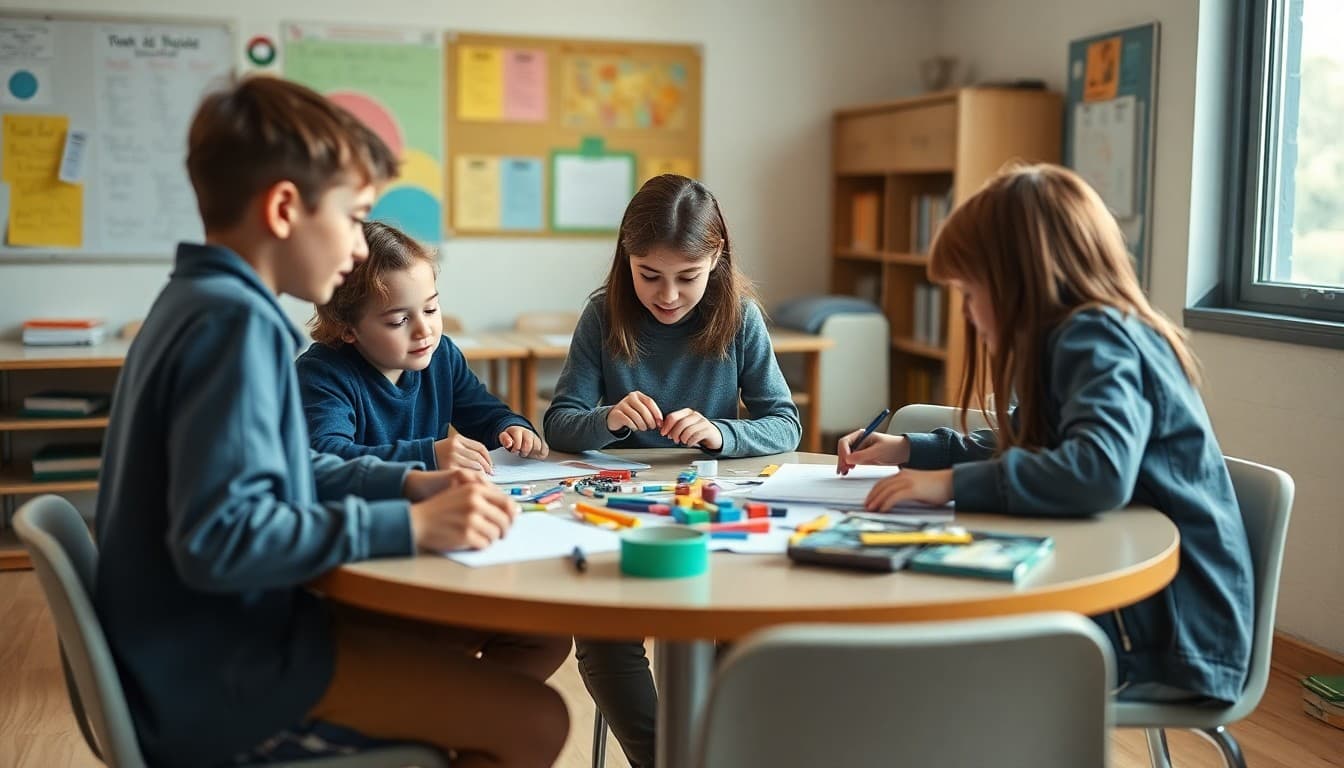
Classroom culture is the invisible force that determines how learning actually happens. A classroom where mistakes are expected gets different results than one where mistakes are feared. A classroom where students support each other functions differently than one where competition is the default. Families cannot see your culture from outside the room, but they can feel its effects when their student comes home. A classroom culture newsletter gives them the context they need to understand what their student is experiencing every day.
Define your classroom culture intentionally
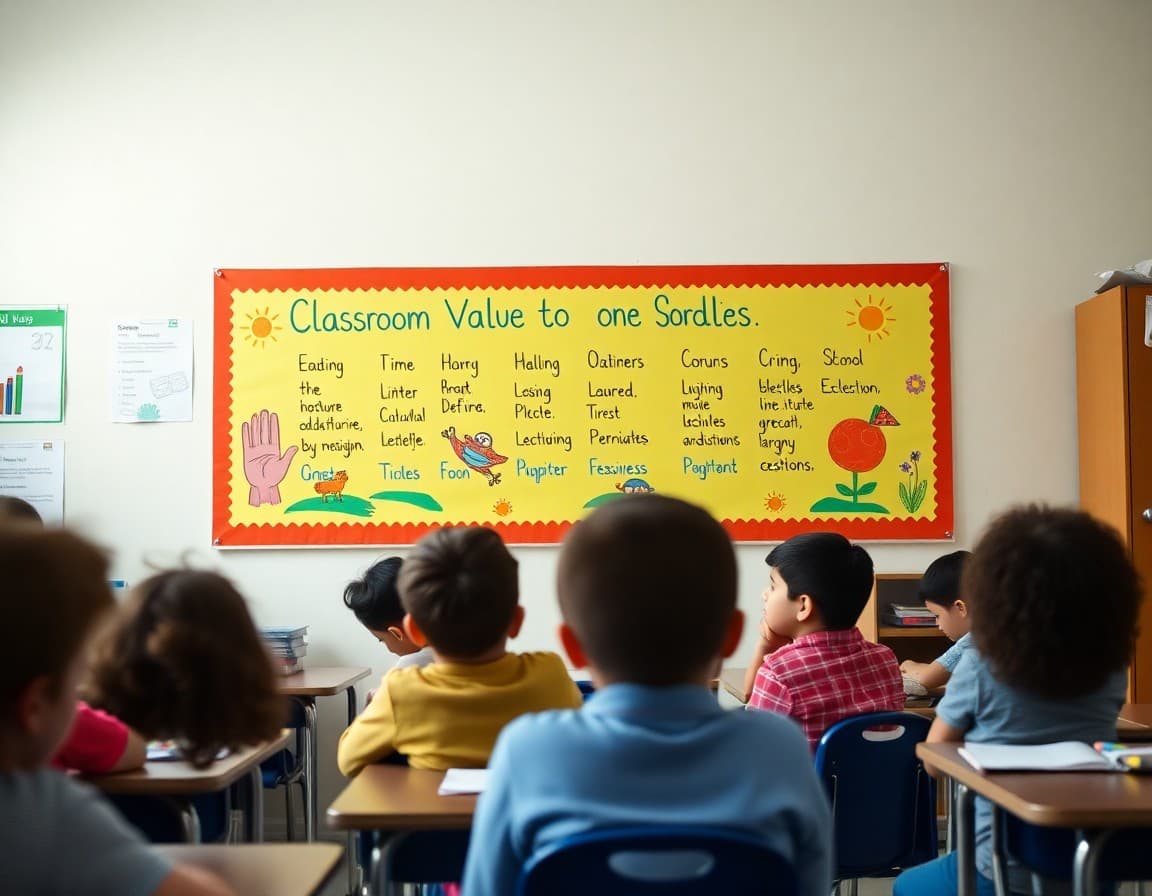
Start by naming what you have built and what you are still building. Not a list of values but a description of behavior. "In our classroom, students are expected to ask questions when they are confused rather than waiting until they are lost. We practice this by normalizing wrong answers and treating mistakes as information, not failure." That is a culture description. It is specific enough to be meaningful.
Describe how the culture was created
Families who know their student had a role in shaping the classroom culture invest in it differently than families who think the teacher simply imposed rules. Share the process. "At the start of the year, students completed a reflection about what kind of classroom community they wanted to be part of. We built our norms from their answers." This elevates student ownership and gives families insight into why your classroom functions the way it does.
Name the culture habits in plain terms
Culture lives in repeated habits. Name yours concretely. "When a student finishes early, they ask a classmate if they need a thought partner. When someone makes a mistake on a public presentation, the class applauds the effort, not just the result. When we disagree, we say 'I see it differently because...' rather than just shutting down the other person." These specifics make the culture real to families.
Connect culture to academic outcomes
Some families wonder whether culture work takes time away from learning. Address this head-on. "The habits we are building directly affect academic performance. A student who is comfortable asking for help before they are completely lost misses fewer concepts. A student who has practiced productive disagreement can engage with challenging texts more deeply. Culture is not separate from learning. It is the condition that makes learning possible."
Be honest about what is still developing
Culture takes months to build and is never finished. A newsletter that acknowledges this is more credible than one that implies everything is perfect. "We are still working on our listening habits during whole-class discussion. Students are getting better at waiting their turn and building on each other's ideas rather than just waiting to share their own. It is a real skill and we are getting there."
Tell families what they can reinforce at home
Culture extends beyond the classroom when families echo the same norms. Give them specific language. "If your student uses phrases like 'I respectfully disagree' or 'I want to build on what you said,' they are using our classroom conversation norms. You can reinforce these at home by using them yourself in family conversations." The most effective classroom cultures are the ones that travel home.
Celebrate specific culture wins
The most powerful part of any classroom culture newsletter is a specific example of the culture working. "This week a student pointed out that we were not following our agreement about listening and asked the class to reset. The class agreed. That is exactly what self-governance looks like, and it was entirely student-driven." This kind of story makes the culture real in a way that abstract descriptions cannot.
Daystage makes it straightforward to include a classroom culture section in every newsletter with examples, photos, and student reflections. Families who see the culture over time understand its value in a way that a single newsletter cannot convey.
Get one newsletter idea every week.
Free. For teachers. No spam.
Frequently asked questions
What should I include in a classroom culture newsletter?
The values and norms your classroom operates by, how you created them, what they look like in practice, and how families can support the same culture at home. Culture is visible in behavior. Show families what the behavior looks like.
How do I describe my classroom culture without sounding vague?
Use examples, not just values. 'We have a culture of curiosity' is vague. 'In our classroom, students are expected to ask questions when they are confused rather than sitting quietly. We practice what to do when you do not know the answer' is specific and observable.
How does classroom culture connect to academic performance?
Directly and measurably. Students in high-trust, high-expectation classrooms take more intellectual risks, ask for help earlier, and persist longer under difficulty. Classroom culture is not separate from academic achievement. It is one of its most reliable predictors.
What if my classroom culture is still developing in October?
Say that. A newsletter that describes culture as a work in progress is more honest and credible than one that implies everything is fully formed. 'We are still building some of these habits and I am proud of how far we have come' is true and useful.
Can I use Daystage to consistently share classroom culture updates throughout the year?
Yes. Daystage lets you add a regular classroom culture section to your weekly newsletter template so families see the evolution of your class community over time.

Adi Ackerman
Author
Adi Ackerman is a former classroom teacher and curriculum writer with 8 years in K-8 schools. She writes about school communication, parent engagement, and what actually works in real classrooms.
More for Classroom Teachers
Ready to send your first newsletter?
3 newsletters free. No credit card. First one ready in under 5 minutes.
Get started free