

How to Write a Behavior Management Update Newsletter to Parents
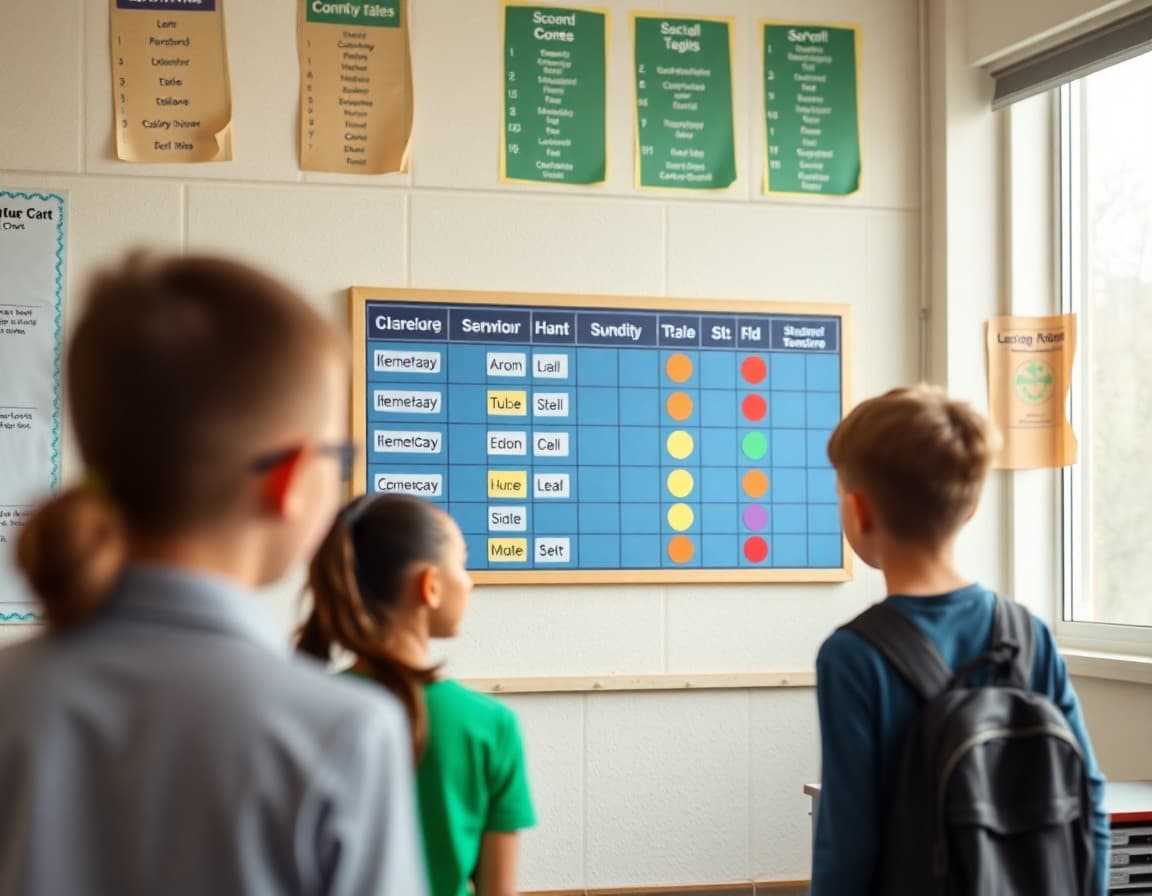
Behavior management newsletters sit in a tricky spot. Too vague and parents do not know what is happening. Too specific and you risk singling out students or alarming families before they have context. Done right, this type of newsletter keeps parents informed, reinforces your expectations, and builds the kind of home-school alignment that makes behavior improvement actually stick.
Introduce your system before problems come up
The best time to explain your behavior management approach is September, before any consequences have been issued. A newsletter that walks families through your expectations, your consequence sequence, and how you communicate with parents gives everyone a shared framework. When something does happen later in the year, parents already have context and you spend less time explaining and defending.
Separate individual and class-wide communication
Your newsletter is for the whole class. Keep it that way. Class-wide patterns, general updates, and system explanations belong in the newsletter. Individual behavior concerns belong in a direct call or email. Mixing these creates confusion about who the message is for and can expose students to information that should have stayed private.
Describe patterns, not incidents
When you need to address a current challenge in the newsletter, stay at the pattern level. "We have been working through some transition challenges during the last ten minutes of the day. I have added a structured wrap-up routine this week to help." This communicates what is happening and what you are doing about it without assigning blame or giving parents enough information to interrogate their students about specific incidents.
Explain what you are doing first
Parents are more receptive to a partnership ask when they can see that you are already handling your side of the equation. Lead with your actions before making a request of families. "I have introduced a new calm-down corner this week for students who need a moment to reset. At home, it can help to ask your student about their day using specific prompts..." This sequencing matters. It shows competence before asking for help.
Give parents specific reinforcement language
Vague asks produce vague results. Instead of "please talk to your child about classroom behavior," give families actual phrases. "You can ask: what did you do when you felt frustrated today? What choices did you make that you felt good about?" These questions open a dialogue that reinforces your classroom work without making the conversation an interrogation.
Acknowledge what is going well
A behavior update newsletter that only covers challenges reads as alarming even when the challenges are minor. Balance your message. "We have done well with our morning routine and I am proud of how students have handled the transition from PE. We are still building our skills around independent work time." Families who see both sides trust your assessment more than families who only hear about what is wrong.
Close with your door open
A final line that invites conversation keeps this from feeling like a report card on the class. "If you have questions about how this week went for your student specifically, I am happy to chat. Reach out anytime." This signals that individual conversations are welcome and that the newsletter was a general update, not the final word on anyone's child.
Daystage makes it straightforward to send targeted behavior updates to the families most affected while sending a general class-wide version to everyone else. One platform, two audiences, no confusion about who received what.
Get one newsletter idea every week.
Free. For teachers. No spam.
Frequently asked questions
When should I send a behavior management update to parents?
At the start of the year to introduce your system, when you make a significant change mid-year, or when classroom behavior patterns are affecting the whole group. General updates should be proactive rather than reactive. Save individual behavior communication for direct messages or calls, not the class newsletter.
How do I discuss class-wide behavior challenges without embarrassing students?
Keep it general and focused on patterns, not people. 'We have been working on transition times this week and it is taking longer than expected' communicates the challenge without pointing at anyone. Never name students in a newsletter about behavior. Ever.
Should I explain my consequence system in the newsletter?
Yes, at least broadly. Parents who understand the framework feel less blindsided when a consequence comes home. You do not need to list every scenario. A general outline of your warning, consequence, and communication sequence is enough.
How do I ask parents to reinforce behavior expectations without blaming them?
Frame it as a partnership request rather than an assumption that home behavior is the problem. 'If you hear about classroom challenges at home, here is what I am doing on my end and here is how you can support that' is collaborative. 'Please talk to your child about this' sounds like blame.
Can I use Daystage to send behavior updates to specific groups of parents?
Yes. Daystage lets you create targeted newsletters so you can send a general behavior update to the whole class while sending specific follow-up to the subset of families most affected. One tool handles both.

Adi Ackerman
Author
Adi Ackerman is a former classroom teacher and curriculum writer with 8 years in K-8 schools. She writes about school communication, parent engagement, and what actually works in real classrooms.
More for Classroom Teachers
Ready to send your first newsletter?
3 newsletters free. No credit card. First one ready in under 5 minutes.
Get started free