

Classroom Makeover Newsletter: Share the New Space With Families
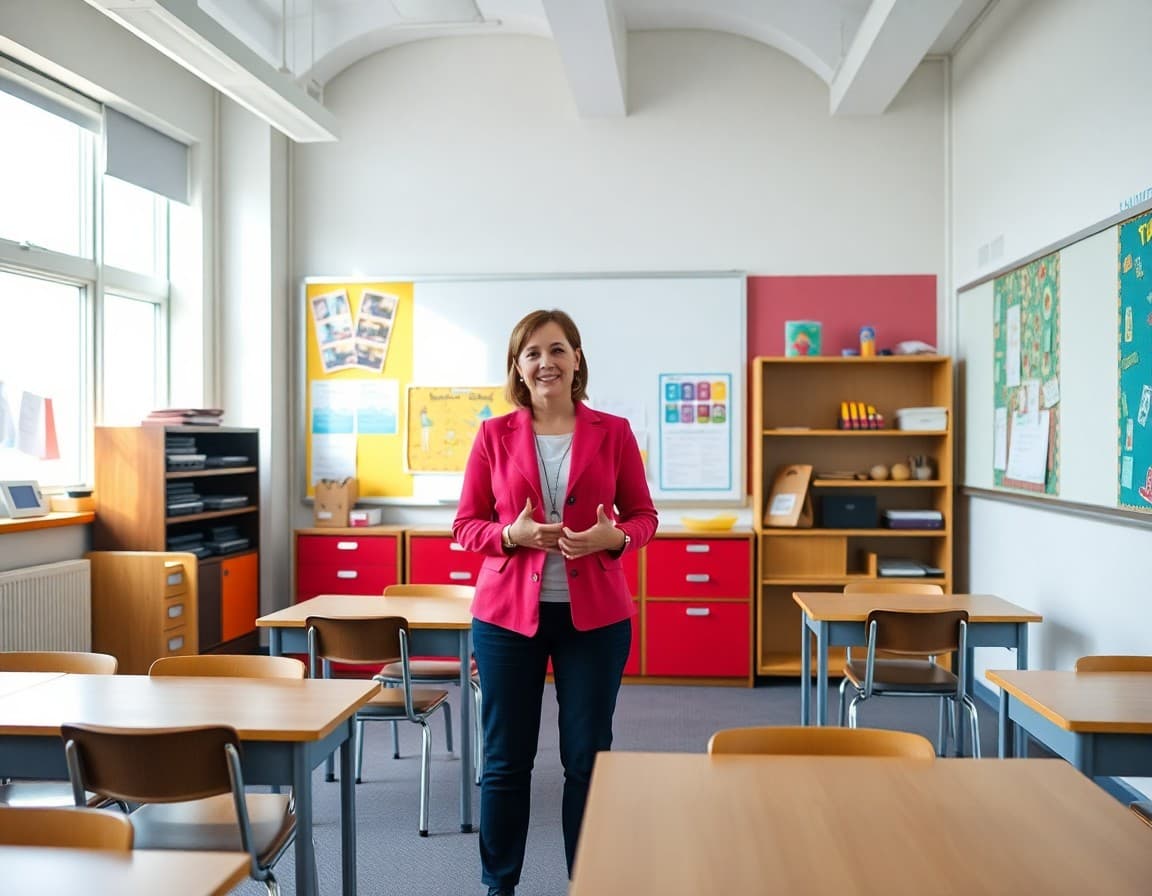
A classroom redesign, whether it is a full makeover or a shift to flexible seating, generates genuine curiosity and sometimes concern from families. Students come home talking about it. Parents wonder what changed, why, and whether it is actually good for learning. A newsletter that addresses all of this proactively turns curiosity into engagement rather than worry.
Describe What Changed
Be specific and concrete. "We reorganized our classroom into four distinct areas: a traditional table cluster for focused individual work, a collaborative floor space for group projects, a reading corner with beanbag chairs, and a standing work area along the windows." Families who can visualize the space understand what their child is describing when they come home talking about the "reading corner." Vague descriptions leave families with only their child's incomplete account.
Explain the Why
Tell families the pedagogical reason for the change. Not in academic jargon, but in plain language. "I made this change because different kinds of work benefit from different physical setups. Independent reading is more focused in a quieter corner. Collaborative problem-solving works better at a large table where everyone can see the work. The goal is to match the space to the task." That kind of explanation transforms skepticism into understanding.
Connect It to Specific Learning Benefits
A sentence or two on what you have already observed since the change is more persuasive than any research citation. "In the first week with the new setup, I noticed that students transitioned into reading more quickly and sustained focus longer in the reading area than they did at the traditional desks. That is exactly what I was hoping for." Real, observable results are compelling to families in a way that theory is not.
What the Expectations Look Like Now
Families may worry that a less traditional setup means less structure. Address this directly. "Our classroom agreements and academic expectations are unchanged. What has changed is where different kinds of work happen. Students know the expectations for each area and have been practicing them this week." That sentence reassures families that the change is in environment, not in rigor.
Invite Families to See It
If you have an open house, curriculum night, or any upcoming event where families will be in the classroom, mention that they can see the new setup for themselves. "If you are coming in for curriculum night on October 9th, you will get to see the new layout. I am happy to show you how each area functions." An invitation to see it reduces the unknown.
Share a Photo
One good photo of the new setup is worth all the description in the world. Families who see the space know immediately whether it looks organized or chaotic. If it looks organized, purposeful, and like a real learning environment, the photo does your explaining for you. Send it with a caption that names the different areas.
Promise a Follow-Up
Commit to sharing how it is going in a follow-up newsletter in three to four weeks. "I will give you an update in November on how students are responding to the new setup and what adjustments I have made based on what I observe." That commitment makes the change feel thoughtful and evidence-based rather than a permanent experiment families have no input on.
Get one newsletter idea every week.
Free. For teachers. No spam.
Frequently asked questions
Should teachers communicate classroom changes to families?
Yes, especially significant changes like a new seating arrangement, flexible seating, learning stations, or a major reorganization of the room. When students come home excited or confused about a change, families who already know about it can have a more informed conversation.
What should a classroom makeover newsletter explain?
What changed, why you made the change, how it supports learning, and what students can expect in terms of expectations and routines in the new setup. If there are new materials or tools families will hear about, introduce those too.
How do I explain flexible seating to families who might be skeptical?
Connect it to specific learning outcomes. 'Flexible seating lets students choose the physical setup that helps them focus best. We still have assigned seats for focused work. The choice is for independent and collaborative periods.' Research framing helps but concrete explanation is more persuasive.
What if parents are worried the new setup will be too distracting?
Acknowledge the concern and describe your structure. 'I understand this looks less traditional. The expectations for student focus and work quality are unchanged. What has changed is the physical environment where that work happens. I will share results in a follow-up newsletter.'
Can Daystage help me share photos of my classroom makeover with families?
Yes. Daystage lets you include a photo gallery in your newsletter so families can see the new space alongside your written explanation. Seeing it makes the description much more meaningful.

Adi Ackerman
Author
Adi Ackerman is a former classroom teacher and curriculum writer with 8 years in K-8 schools. She writes about school communication, parent engagement, and what actually works in real classrooms.
More for Classroom Teachers
Ready to send your first newsletter?
3 newsletters free. No credit card. First one ready in under 5 minutes.
Get started free