
Classroom Garden Newsletter: Introduce the Project to Families
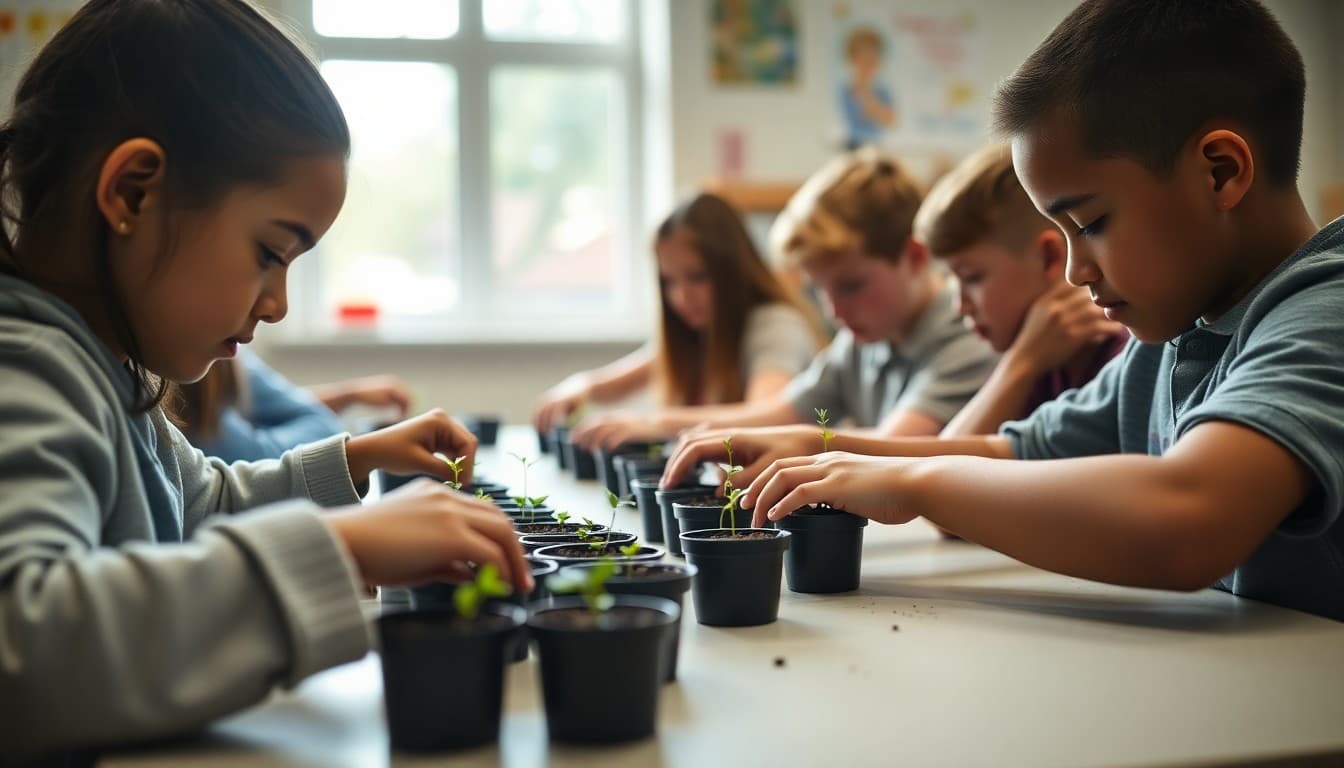
A classroom garden is one of the most tangible science activities available to elementary teachers. Plants grow visibly over weeks, observations connect directly to life science standards, and the care routine builds responsibility. A newsletter that explains all of this turns the garden from "a thing in the window" to a curriculum anchor families can track and talk about at home.
What We Are Growing and Why
Start with specifics. "We are growing radishes, bean sprouts, and sunflowers in our classroom garden. I chose these plants because they sprout quickly so students can observe germination within days, grow at a pace that allows weekly measurement, and represent three different plant structures. Each student is responsible for one plant throughout the unit." That kind of specific selection rationale tells families this was a pedagogically intentional choice, not a random activity.
The Science Connection
Name the standards or concepts explicitly. "Our classroom garden connects directly to our plant life cycles unit. Students will observe and document germination, measure and graph growth weekly, compare growth rates across plant types, and investigate how variables like light and water affect growth." Families who see the science connection understand why you are spending classroom time on this and are more likely to reinforce the vocabulary and concepts at home.
What Students Will Do Each Week
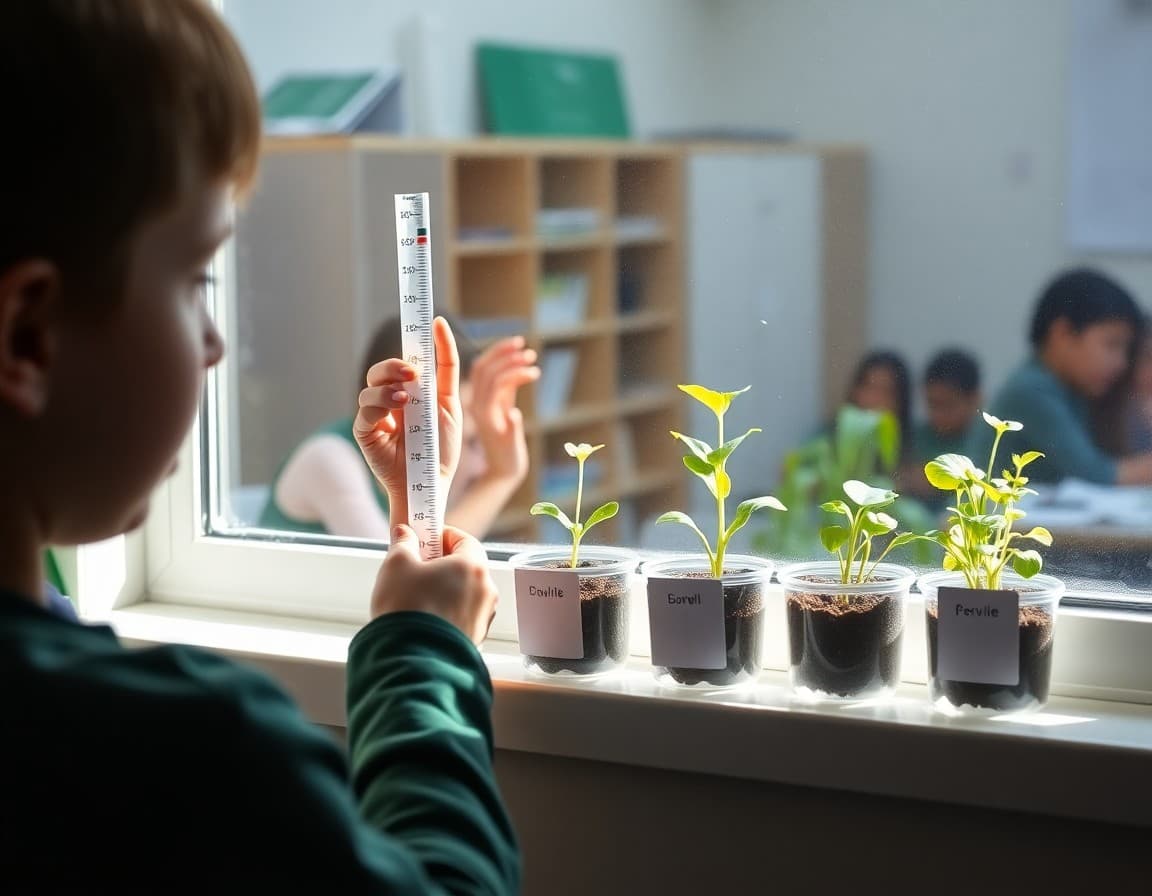
Describe the ongoing student role. "Each Monday students measure their plant and record data in their garden journals. Each Friday we observe and discuss any changes as a class. Students rotate through a watering schedule so everyone participates in care. At the end of the unit, students write a reflection connecting what they observed to what they learned about plant biology." That weekly cadence gives families a reference when their child comes home talking about their plant.
How Families Can Participate
If families can contribute materials, say so. "If you have small gardening gloves, a spray bottle, or quality potting soil to donate, we would welcome it. If you have gardening experience and would be willing to visit as a guest expert during our unit, please reach out." Some families will have neither time nor resources to contribute, and that is fine. The invitation is for those who want to engage, not a requirement.
Extending the Garden at Home
A simple home activity reinforces classroom learning. "If your child wants to try growing something at home, a bean seed in a damp paper towel in a plastic bag is one of the fastest and most observable germination experiments available. No special equipment needed. They can watch the root emerge in just a few days." Specific, low-cost, and directly connected to what they are doing in class.
What Happens to the Plants
Tell families what the end plan is so no one is surprised. "At the end of the unit, students will take their plants home. Sunflowers may need to be transferred to an outdoor pot by that time. I will send home care instructions with each plant." Families who know this plan can prepare a spot for the plant rather than arriving home with a sunflower and no idea what to do with it.
Updates Throughout the Unit
Commit to sharing photos in future newsletters. "I will include a garden update photo in my weekly newsletter throughout the unit. You will be able to watch the plants grow alongside your child." That ongoing documentation makes the garden feel like a shared experience between school and home, which is exactly the connection that makes this kind of project so memorable.
Get one newsletter idea every week.
Free. For teachers. No spam.
Frequently asked questions
What should a classroom garden newsletter include?
What plants students are growing and why, the science curriculum connection, how students will observe and document growth, the garden care schedule, whether families can help, and one activity families can try at home to extend the plant science experience.
How do I connect a classroom garden to academic standards?
Name the specific standards or science concepts. 'Our classroom garden connects to our life cycles unit. Students will observe germination, measure plant growth weekly, and document the stages of a plant's development from seed to full plant.' That makes it clear this is curriculum, not decor.
Can families donate supplies for the classroom garden?
Yes, and many families appreciate being asked. 'If you would like to contribute, we could use small gardening gloves for children, a spray bottle, and any quality potting soil. A donated packet of fast-growing seeds like beans or radishes is always welcome.' Be specific.
What happens to the garden during school breaks?
Tell families your plan before anyone asks. 'During spring break, I will take responsibility for watering the classroom plants. Students who want to take a plant home for the break are welcome to do so with a note home.' Planning for breaks prevents the question and the crisis.
How does Daystage help communicate classroom garden progress?
Daystage lets you send regular garden update newsletters with photos of seedling growth, student observations, and milestone moments so families feel like they are watching the garden grow alongside their child.

Adi Ackerman
Author
Adi Ackerman is a former classroom teacher and curriculum writer with 8 years in K-8 schools. She writes about school communication, parent engagement, and what actually works in real classrooms.
More for Classroom Teachers
Ready to send your first newsletter?
3 newsletters free. No credit card. First one ready in under 5 minutes.
Get started free