
How to Write a Social Emotional Learning Newsletter to Parents
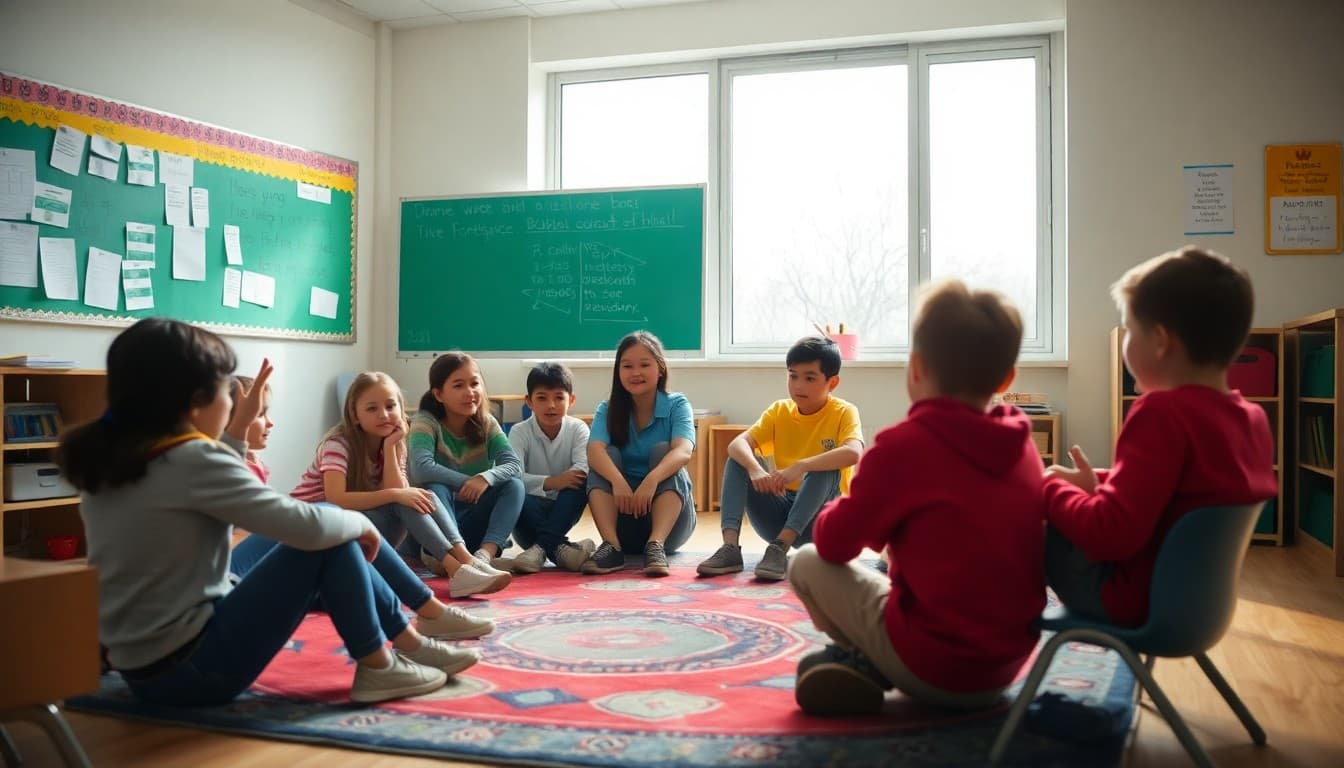
You spend time each week on SEL. Students practice naming emotions, managing conflict, and building empathy. Then families, who have not seen any of this, get a behavior update about a conflict that sounds like it came out of nowhere. An SEL newsletter closes that gap. It tells families what you are teaching, why it matters, and what they can do at home to build the same skills you are building at school.
Name what you are teaching right now
Start with the specific SEL skill or concept you are currently working on. Not "social emotional learning" as a broad category but something precise. "This month we are working on identifying emotions in the body before they escalate. Students are learning to recognize their personal warning signs and practice pausing before they respond." That level of specificity makes the newsletter actionable.
Explain why this skill matters at this grade level
What matters for a kindergartner, a third grader, and a sixth grader are different. Tie your newsletter to the developmental reality of your students. "At this age, peer relationships become more complex and conflicts around fairness, belonging, and inclusion are very common. We are building the tools students need to navigate these situations with intention rather than reaction."
Translate the classroom language for families
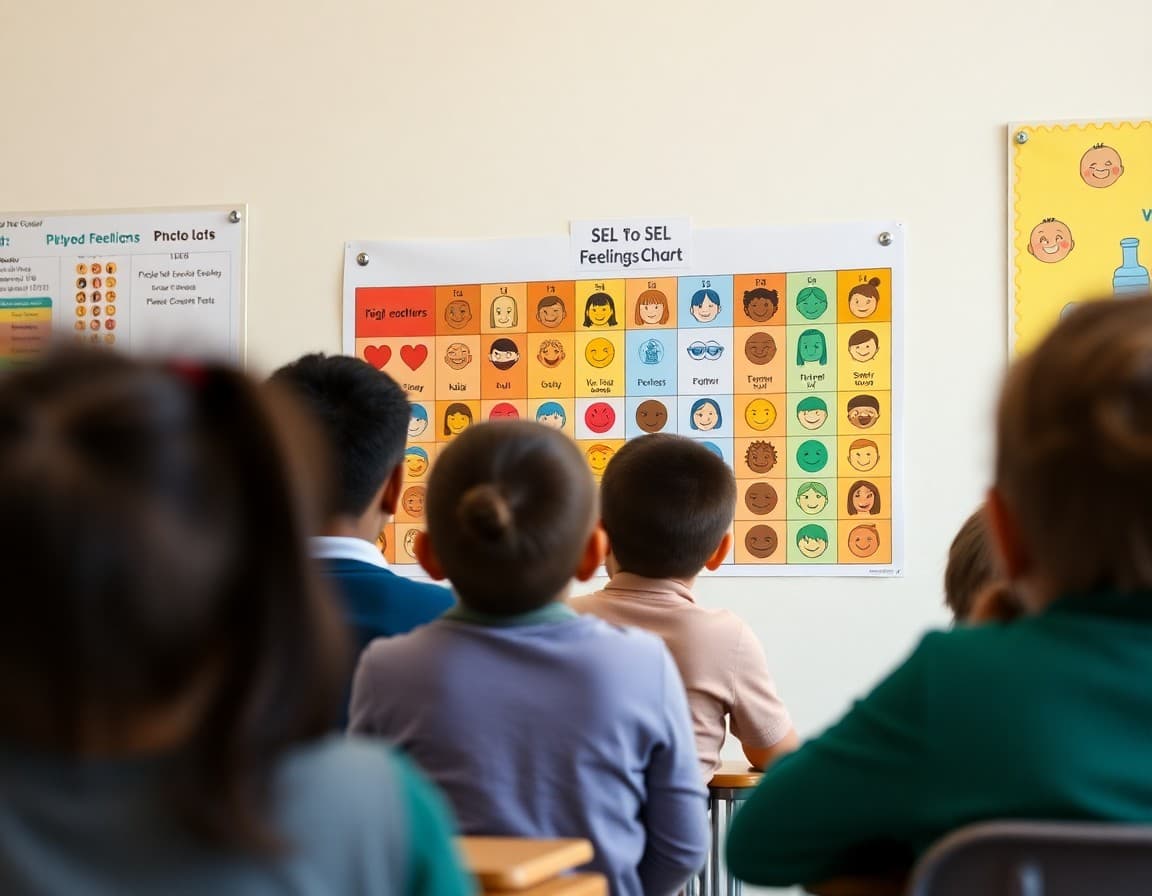
Your students have vocabulary they use in class. Give families that same language so the conversation can continue at home. "In class, we use the phrase 'name it to tame it' when students feel flooded by a strong emotion. If your student uses this phrase at home, they are using a tool they learned in class. You can use it too: 'Can you name what you are feeling right now?'" Parents who speak the same language as the classroom reinforce the learning without even trying.
Offer practical home application
The most valuable part of an SEL newsletter is the section that tells families what to do. Not "talk to your child about feelings" but specific suggestions. "When your student is upset, try asking 'where do you feel that in your body?' before trying to solve the problem. This helps them practice the skill we are working on and often makes them feel more understood." Concrete is always better than general.
Respond to the common skepticism
Some families will privately wonder whether SEL takes time away from academics. Address this directly in your newsletter. "Research consistently shows that students who can manage their emotions and work through conflict learn more effectively and sustain focus longer. This is not separate from academic work. It is what makes academic work possible." Most skeptical families become supporters once they understand this connection.
Share a classroom example without identifying students
A brief, anonymized example from class makes the newsletter feel grounded in real life rather than theory. "This week a group of students had a disagreement during a project. They used our calm-down sequence before the conversation and resolved it without needing me to step in. That is exactly what this looks like when it works." Real examples build trust.
Connect to the year ahead
Close with a brief note about how SEL skills build across the year and why investing in them now pays off in ways that are visible. "The tools we practice now carry through every challenge your student will face this year. Students who can name what they feel and make deliberate choices about what to do next are better prepared for everything from a hard test to a social conflict on the playground."
Daystage makes it easy to include an SEL section in your regular classroom newsletter with linked conversation starters and a downloadable home practice guide, so families receive both the why and the how in the same send.
Get one newsletter idea every week.
Free. For teachers. No spam.
Frequently asked questions
What should I include in an SEL newsletter to parents?
What specific SEL skills you are currently teaching, why they matter for your grade level, what the language or framework you use in class sounds like, and how families can reinforce those skills at home. The more concrete the home connection, the more useful the newsletter.
How do I explain SEL to parents who are skeptical about it?
Connect it to outcomes they care about. Students who can regulate their emotions, work through conflict, and persist under frustration are better learners and better collaborators. SEL is not therapy or soft skills. It is the foundation for every other kind of learning.
How much SEL jargon should I use in a parent newsletter?
Almost none. Every acronym and term you use is one more thing a parent has to translate before they can act on it. 'We are working on self-regulation skills' is fine. A three-page explanation of the CASEL framework is not.
What if parents think SEL is taking time away from academics?
Address this directly. Research consistently shows that students with stronger SEL skills perform better academically because they can focus, persist, and collaborate more effectively. You are not trading academic time for feelings time. You are building the conditions that make academic learning possible.
Can Daystage help me include SEL resources and conversation starters in my newsletter?
Yes. Daystage lets you embed links, attach tip sheets, and include a conversation starter section directly in your newsletter so families get both the context and the tools in one place.

Adi Ackerman
Author
Adi Ackerman is a former classroom teacher and curriculum writer with 8 years in K-8 schools. She writes about school communication, parent engagement, and what actually works in real classrooms.
More for Classroom Teachers
Ready to send your first newsletter?
3 newsletters free. No credit card. First one ready in under 5 minutes.
Get started free