

How to Write an Anti-Bullying Newsletter to Parents
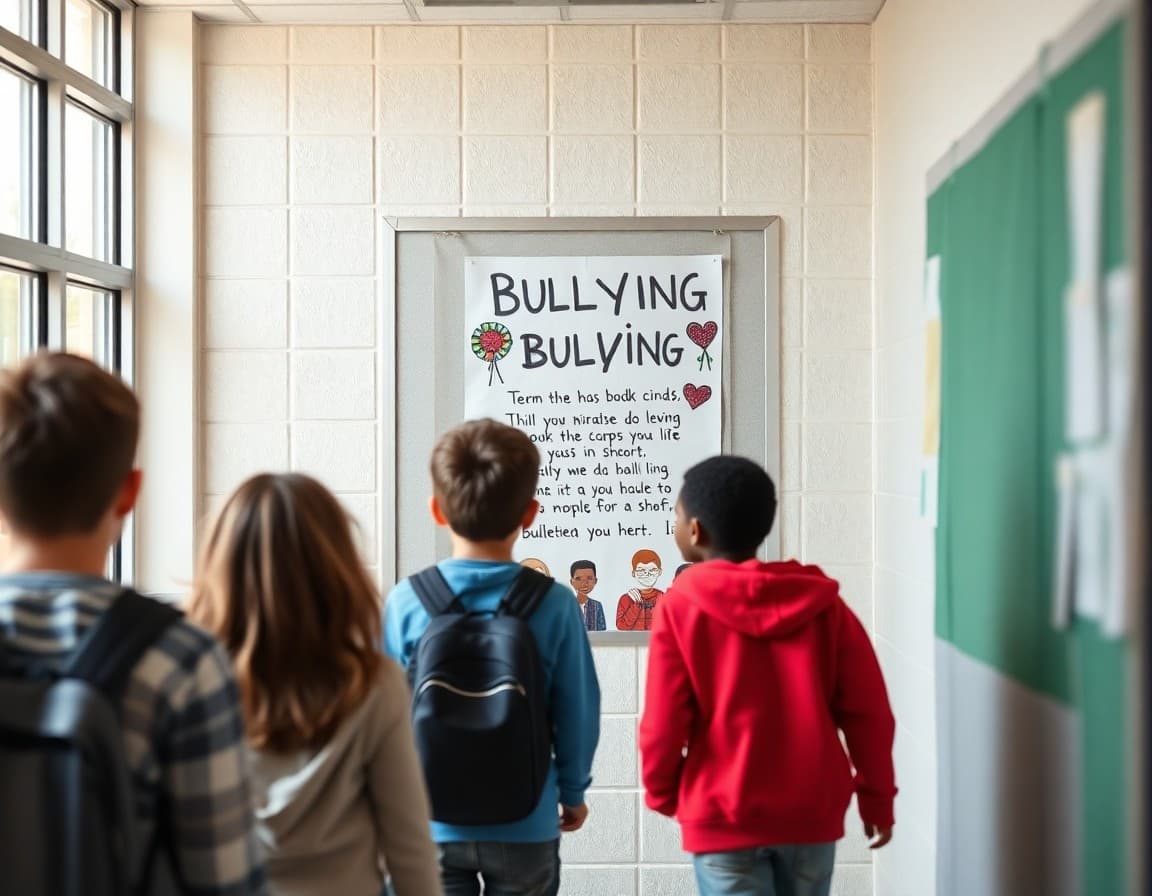
An anti-bullying newsletter sends a different message depending on what triggered it. If it arrives after a visible classroom incident, families will read between the lines. If it arrives as part of your regular school-year communication, it reads as proactive prevention work. The same information lands completely differently. Send this one early in the year, before problems come up, and your newsletter becomes a prevention tool rather than a reaction.
Define bullying specifically
Many parents and students use the word bullying to describe any unkind interaction. A newsletter that offers a clear definition prevents misunderstandings and helps families respond proportionally. "Bullying involves three elements: a power imbalance between the students involved, repeated behavior over time, and intentional harm. A single conflict between friends or peers is unkind but is not the same as bullying. Both matter, but they call for different responses."
Describe warning signs at home
Families are often the first to notice when something is wrong, even before students report it directly. Give them specific things to watch for. "Students who are being bullied may become reluctant to go to school, lose interest in activities they previously enjoyed, come home unusually quiet or upset, or show changes in eating and sleeping patterns. These signals are worth a gentle conversation."
Tell parents what to say when a student reports bullying
Many parents respond poorly to a bullying report not because they do not care but because they do not know what to say. Give them language. "The most helpful response is to listen fully before problem-solving. 'Tell me what happened.' Not 'just ignore them' and not 'did you do something to start it?' Those responses close the conversation down. Listening keeps it open."
Explain your reporting process
Parents who see their student being bullied want to know what happens when they report it. Be specific. Tell families who they should contact first (you), what information to include, what the school's investigation process looks like, and what follow-up communication they can expect. Families who understand the process are more likely to go through the right channels rather than circumventing the school entirely.
Address what families should not do
Some well-meaning parent responses to bullying make the situation significantly worse. Contacting the other family directly. Telling the student to fight back. Publicly posting about it on a neighborhood group. A brief note in your newsletter that covers these directly prevents the escalations you have seen before. "If you believe your student is being bullied, please reach out to me first rather than contacting the other family. This protects your student and gives us the best chance of resolving the situation."
Include a section on bystander behavior
Bystanders are often the most powerful factor in bullying situations. Families can teach this. "We talk in class about what to do when you see someone being treated unkindly. You can support your student in this role at home by asking: 'If you saw someone being left out or treated badly today, what did you do?' This question normalizes being an active bystander rather than a passive one."
Cover cyberbullying specifically
Online unkindness is a separate but related issue that families need specific guidance on. "Cyberbullying happens on apps and platforms we may not be monitoring. The warning signs are similar to in-person bullying, but the evidence trail is clearer. If your student shows you a screenshot, take it seriously and contact me with the details."
Daystage lets you include school reporting links, downloadable parent guides, and age-appropriate resource lists directly in your anti-bullying newsletter so families have everything in one place.
Get one newsletter idea every week.
Free. For teachers. No spam.
Frequently asked questions
What should I include in an anti-bullying newsletter to parents?
What bullying is and is not, how to distinguish bullying from conflict, what warning signs to watch for at home, how to respond if a student reports being bullied, and what your classroom and school do when bullying is reported. Clear information prevents both underreaction and overreaction.
How do I distinguish bullying from normal conflict in the newsletter?
Bullying involves a power imbalance, is repeated, and is intentional. Conflict between equal peers who have a one-time disagreement is not bullying even when it is unkind. Making this distinction helps families respond proportionally and helps students understand what warrants a formal report.
What should parents do if their child reports being bullied?
Listen without minimizing. Do not tell the student to just ignore it or fight back. Contact the teacher with specific details, including dates, what was said, and who was involved. A direct conversation with the teacher is the first step, not a call to the principal or a confrontation with the other family.
How do I address cyberbullying in an anti-bullying newsletter?
Name it as a separate but related issue. The behaviors are similar but the context is different. Cyberbullying happens outside school hours and on devices families often cannot see. Giving parents specific guidance on monitoring and what to do when they see it is more useful than general warnings.
Can I use Daystage to share an anti-bullying resource list with families?
Yes. Daystage lets you embed links to vetted resources, include downloadable tip sheets, and share school reporting procedures all within a single newsletter send.

Adi Ackerman
Author
Adi Ackerman is a former classroom teacher and curriculum writer with 8 years in K-8 schools. She writes about school communication, parent engagement, and what actually works in real classrooms.
More for Classroom Teachers
Ready to send your first newsletter?
3 newsletters free. No credit card. First one ready in under 5 minutes.
Get started free