
Teacher Newsletter for Art Competition: Sharing Student Work With Families
Art competition newsletters carry a specific tension: you want to build excitement without making the experience feel high-stakes. Art is personal, judging is subjective, and students who tie their self-worth to a ribbon result are going to have a hard day regardless of the outcome. Your newsletter can frame the experience well before that day arrives.
Introduce the competition with the right frame
Your first newsletter about the competition should establish what the experience is about. The goal is to make something worth making, to practice the elements of good composition, and to see your work displayed for others. The competition adds structure to that process, but it is not the point. Parents who receive that message early pass it on to their students.
Explain the theme or prompt with context
If there is a theme, give families a sense of how students are interpreting it in class. "We have been exploring what 'community' means visually, and students are working in several different directions" is more interesting than "the theme is community." Parents who see the creative diversity in your classroom are less likely to redirect their student toward a narrow, safe interpretation.
Describe the medium and materials students are using
Let parents know what materials are involved, especially if there is any home component. If students are finishing work at home or need to protect a piece during transport, give specific instructions. "Watercolor pieces should be stored flat and away from humidity until the submission date" is the kind of detail that prevents a lot of last-minute disasters.
Define what support at home looks like
Parents who want to help sometimes end up directing the art rather than supporting the artist. Suggest the right kind of engagement: "Ask your student to tell you about the choices they made, what they tried first that did not work, and what they want someone to notice about their piece." This keeps the conversation centered on the student's creative thinking rather than the parent's aesthetic preferences.
Prepare families for the display or show
Tell parents when and where the work will be displayed. If there is a reception or viewing event, give them the details early. Families who plan to attend show up feeling invested. Those who cannot attend appreciate a photo or summary in a follow-up newsletter.
Handle results with care in your communication
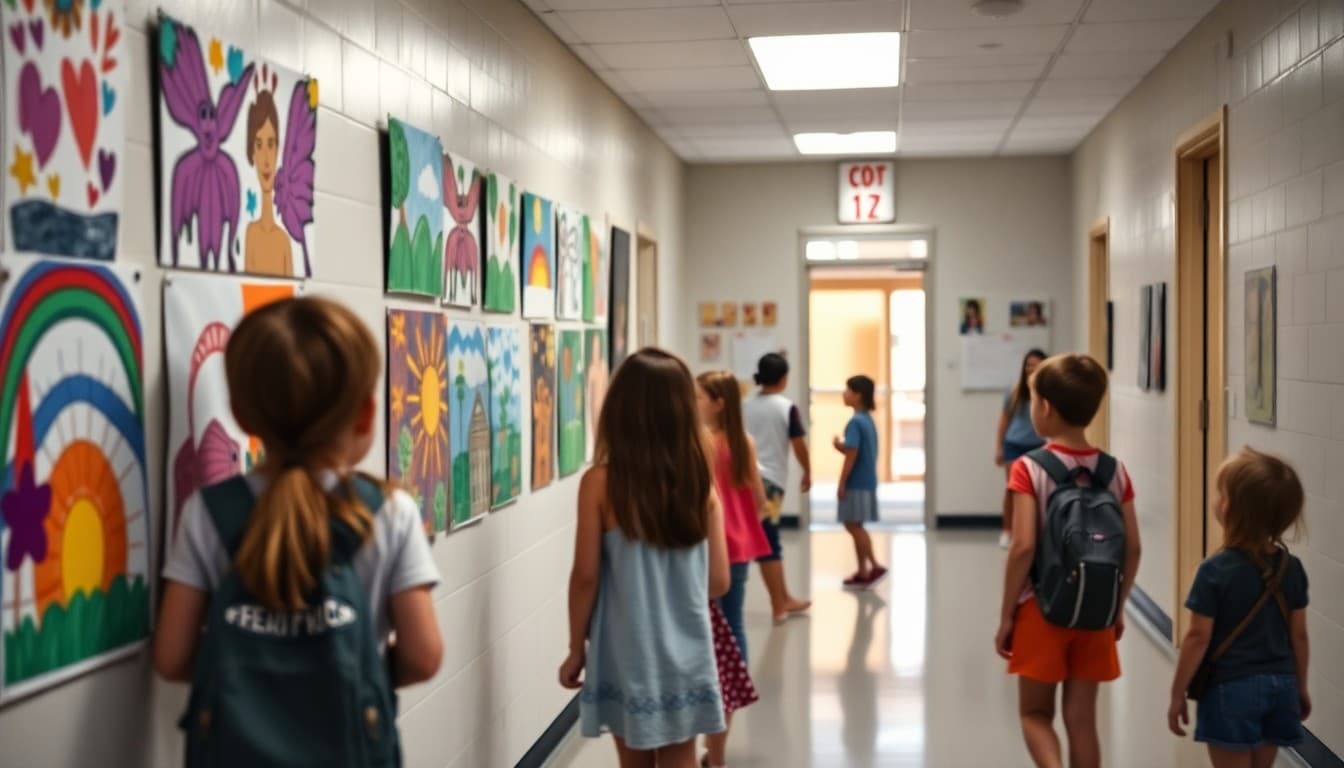
When results are announced, share them in a way that celebrates the selected works without dismissing the rest. "Three pieces from our class were selected for the district show. All submitted work will be displayed in our school hallway through the end of the month." This structure acknowledges the outcome without making it the whole story.
Close with a reflection on what students made
Your final art newsletter should describe what students created and what skills they practiced, not just who placed. This is the newsletter parents actually want to keep, and it is the one that makes students feel proud of their work for the right reasons.
Get one newsletter idea every week.
Free. For teachers. No spam.
Frequently asked questions
What should I include in an art competition newsletter?
Describe the theme or prompt, the medium students are working in, the timeline, how judging works, where and when work will be displayed, and how families can support the creative process at home without directing it.
How do I talk about judging criteria without making art feel like a test?
Frame criteria as guides, not standards. 'Judges will look at use of color, composition, and connection to the theme' tells students what to think about without implying there is one right answer. Emphasize that art is subjective and that quality is about intention and craft, not comparison.
How should I handle a student who is upset about not being selected?
Acknowledge the disappointment privately, then remind the student that their work still has value and will still be displayed or celebrated in some form. Your newsletter can help by establishing in advance that all submitted work matters, not just selected pieces.
Can I share photos of student artwork in the newsletter?
Yes, with the standard photo permission your school requires. A photo of a student with their artwork is one of the most personal and engaging things you can put in a newsletter. Most parents save those.
How does Daystage make sharing art competition updates easier?
Daystage supports image-rich newsletters, so you can share photos of student work alongside your written update. It's designed for teachers who want to send polished, visual communication without a design background.

Adi Ackerman
Author
Adi Ackerman is a former classroom teacher and curriculum writer with 8 years in K-8 schools. She writes about school communication, parent engagement, and what actually works in real classrooms.
More for Classroom Teachers
Teacher Newsletter for Student Showcase Events That Drive Turnout
Classroom Teachers · 6 min read
How to Explain Photo Essay Projects to Families in Your Teacher Newsletter
Classroom Teachers · 6 min read
How to Invite Families to an Exhibition Night in Your Teacher Newsletter
Classroom Teachers · 6 min read
Ready to send your first newsletter?
3 newsletters free. No credit card. First one ready in under 5 minutes.
Get started free