Teacher Newsletter for Student Showcase Events That Drive Turnout

A student showcase is one of the most motivating moments in the school year. Students spend weeks building something they are proud of, and the newsletter you send is what determines whether the families who matter most to them actually show up. Writing that newsletter well is not about promotional language. It is about making families feel like missing this would genuinely be a loss.
Lead with What Their Child Made
The single most effective thing you can do in a showcase newsletter is tell each family exactly what their child worked on. Even a general version works: every student in our class has spent the past three weeks building a science model and writing a research summary. Families immediately picture their child. They start to feel pride before they have seen a single project. That emotional hook is what drives calendar decisions.
Paint the Experience, Not Just the Event
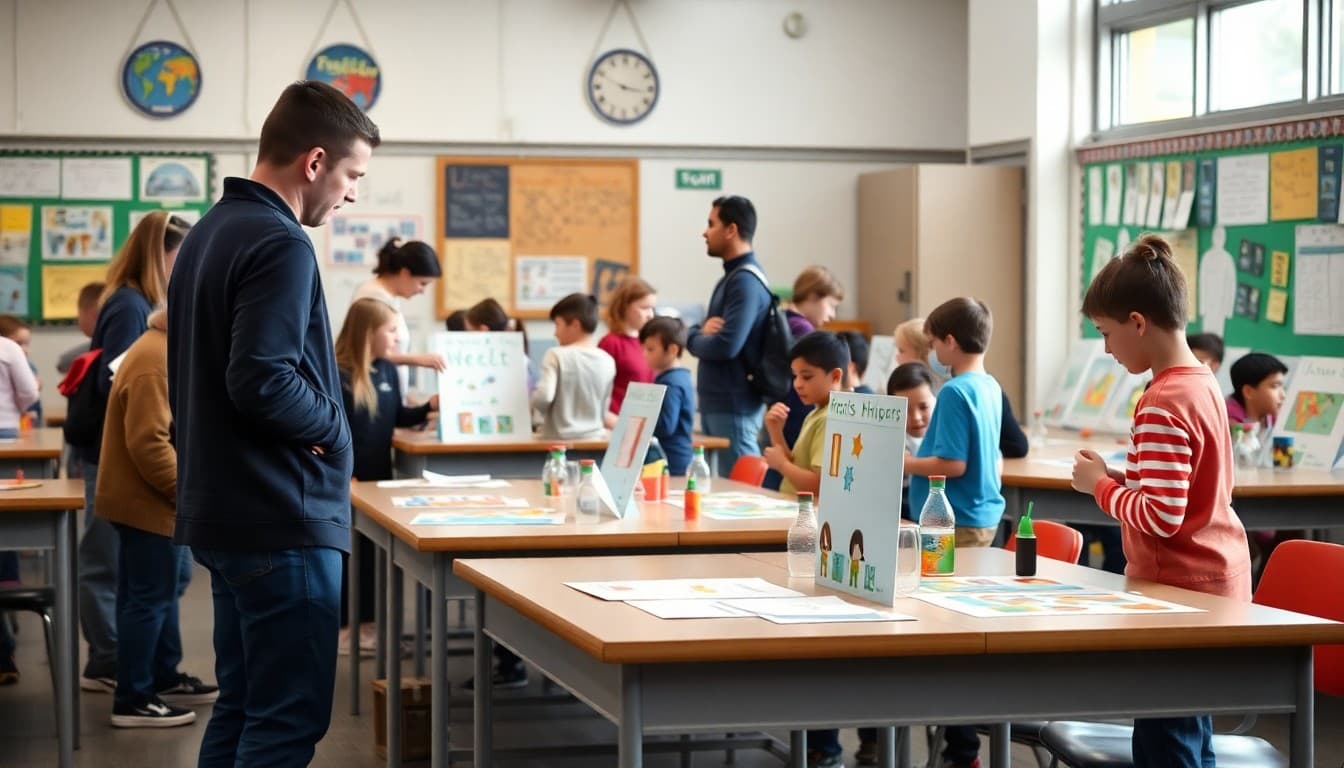
Describe what the evening will feel like. Families will walk through the classroom, stop at each student's station, and hear their child present their work in their own words. That level of detail makes the event feel real rather than abstract. Parents who have a clear picture of what they're walking into are more likely to commit.
Include a Clean Logistics Block
Give families every detail they need without requiring a follow-up email. Date, time window, whether it is a set presentation time or open house style, location in the building, parking, and whether younger siblings are welcome. If there are student-led tours or a specific order for viewing, explain that too. Remove every obstacle that might make showing up feel complicated.
Add a Photo Teaser If You Have One
A single in-progress photo of students working on their projects does more than a paragraph of description. You do not need to reveal finished work. A shot of students mid-build or mid-draft creates curiosity and communicates that real effort went into this. Daystage makes it easy to embed a photo directly into your newsletter without it looking like an attachment.
Give Families a Role in the Showcase
Let parents know they are expected to ask questions and engage, not just observe. If students will be presenting to small groups, explain the format. If there is a feedback card or comment sheet families can fill out for their child, mention it. Families who feel like active participants in the event take it more seriously than families who feel like passive audience members.
Handle Conflicts with Grace
Some families will not be able to attend. Acknowledge that briefly and offer an alternative: a video recording, a photo gallery shared after the event, or a special one-on-one share during pickup. This is not about lowering expectations. It is about ensuring every student feels seen even if their family's schedule made attendance impossible.
Close with a Genuine Thank-You
End the newsletter by acknowledging the work students put in and expressing that having families there to witness it matters. Not as a guilt lever, but as a real statement. Kids notice when their families show up for them. Your newsletter is the bridge between the work students did and the moment families get to see it.
Get one newsletter idea every week.
Free. For teachers. No spam.
Frequently asked questions
When should I send the student showcase newsletter?
Send an announcement two weeks before the event, a reminder one week out with specific details about what your child created, and a final reminder the day before. For an evening showcase, the day-before message has the highest open rate because families are checking calendars the day of.
How do I build excitement without overpromising?
Name what students actually made or learned. Saying your child has been working on a presentation about the water cycle for three weeks is more compelling than saying come see our amazing projects. Specificity creates genuine curiosity. Vague superlatives fall flat.
Should I mention the student's name in the newsletter?
Yes, whenever possible. A newsletter that says your child worked on this feels personal and drives response. Most newsletter platforms let you merge a student name into the body, but even a general mention that every student in our class has a project on display creates a sense of personal stake for every family.
What logistics should the newsletter cover for a showcase?
Include the date, start and end time, location within the school, whether it is drop-in or ticketed, parking situation, and whether siblings are welcome. Also clarify whether parents should come at a specific time or can arrive any time during the showcase window.
What tool helps teachers send newsletters efficiently?
Daystage lets you design and send a showcase newsletter with photos, an RSVP block, and event details all in one place. Families get a polished, mobile-friendly message and can confirm attendance in one tap, which means you know exactly how many people to expect.

Adi Ackerman
Author
Adi Ackerman is a former classroom teacher and curriculum writer with 8 years in K-8 schools. She writes about school communication, parent engagement, and what actually works in real classrooms.
More for Classroom Teachers
Ready to send your first newsletter?
3 newsletters free. No credit card. First one ready in under 5 minutes.
Get started free